The Evolution of Enterprise Logistics Management
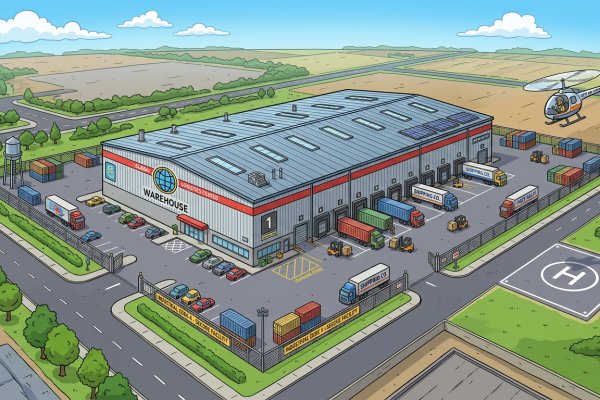
In today's competitive business landscape, enterprises face mounting pressure to deliver products faster, more efficiently, and at lower costs. This is where third-party logistics (3PL) providers have emerged as indispensable partners for businesses seeking to scale operations without the burden of managing complex supply chain infrastructure. From small startups experiencing rapid growth to established corporations expanding into new markets, the strategic use of UK 3PL services has become a cornerstone of successful enterprise operations.
The relationship between enterprises and 3PL providers has evolved significantly over the past decade. What once was a simple outsourcing arrangement has transformed into strategic partnerships where logistics providers offer comprehensive solutions encompassing warehousing, inventory management, order fulfilment, and distribution. These partnerships enable businesses across Manchester, Birmingham, London, and throughout the UK to focus on their core competencies while leaving the complexities of logistics to experienced specialists.
Strategic Advantages of 3PL for Enterprise Operations
Enterprise-level businesses require logistics solutions that can accommodate fluctuating demand, seasonal variations, and rapid market expansion. A professional UK 3PL Fulfilment partner provides the scalability and flexibility that internal logistics operations often struggle to achieve. By leveraging established infrastructure and expertise, enterprises can respond quickly to market opportunities without the lengthy lead times associated with building proprietary warehouse facilities.
Operational Efficiency and Cost Reduction
One of the most compelling reasons enterprises turn to 3PL providers is the potential for significant cost savings. Rather than investing capital in warehouse facilities, equipment, and staffing, businesses can convert fixed costs into variable expenses that scale with actual business volumes. This financial flexibility proves particularly valuable during economic uncertainty or when entering new markets where demand patterns remain unpredictable.
- Elimination of long-term property commitments and associated overheads
- Reduced staffing costs including recruitment, training, and retention expenses
- Access to bulk shipping rates negotiated by the 3PL provider
- Minimized technology investment in warehouse management systems
- Improved cash flow through operational expense models rather than capital expenditure
Racking Storage Solutions for Enterprise Inventory
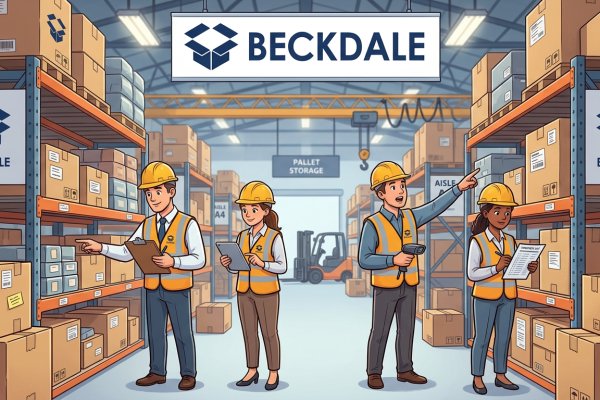
Effective racking storage systems form the backbone of any successful warehouse operation. For enterprises managing diverse product portfolios, the right storage configuration can dramatically impact operational efficiency, inventory accuracy, and order fulfilment speed. Professional 3PL providers invest heavily in sophisticated racking infrastructure designed to maximize cubic space utilization while ensuring rapid product accessibility.
Types of Racking Systems for Different Enterprise Needs
Modern warehouse facilities employ various racking configurations, each suited to specific inventory characteristics and throughput requirements. A reputable UK Warehouse will assess your product range and order patterns to recommend the optimal storage solution:
Selective Pallet Racking remains the most versatile option, providing direct access to every pallet position. This configuration works exceptionally well for enterprises with high SKU counts and moderate inventory levels per product line. The system facilitates efficient stock rotation and suits businesses handling food products, beauty items, or any goods requiring batch and expiry date management.
Drive-In and Drive-Through Racking maximizes storage density by allowing forklifts to drive directly into the racking structure. These systems prove ideal for enterprises storing large quantities of identical products, though they sacrifice individual pallet accessibility for increased storage capacity.
Mobile Racking Systems offer the ultimate in space efficiency, with entire racking rows mounted on mobile bases that move laterally. While representing a higher initial investment, these systems can increase storage capacity by up to 80% compared to traditional configurations, making them attractive for high-value inventory or climate-controlled storage requirements.
Strategic Stock Placement and Inventory Velocity
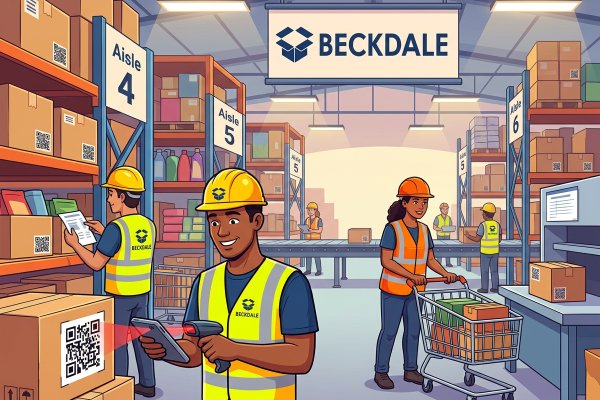
Beyond the physical racking infrastructure, sophisticated 3PL providers employ stock traceability systems that analyze order patterns and product velocity. Fast-moving items are strategically positioned in easily accessible locations, while slower-moving inventory occupies less premium warehouse positions. This intelligent approach to storage allocation can reduce pick times by 30-40%, directly impacting order processing capacity and operational costs.
Transparent Pricing Through Advanced Calculator Tools
One of the historical challenges in the 3PL industry has been pricing transparency. Enterprises often struggled to understand the true cost of outsourced logistics until after committing to lengthy contracts. This opacity has given way to sophisticated price calculator tools that provide detailed cost projections based on actual business parameters.
Components of 3PL Pricing Models
Modern pricing calculators break down fulfilment costs into distinct components, allowing enterprises to understand exactly where their logistics spend is allocated:
- Inbound Receiving: Costs associated with receiving shipments, quality checking, and booking inventory into warehouse management systems
- Storage Fees: Typically calculated per pallet position or cubic meter occupied, often charged monthly or weekly
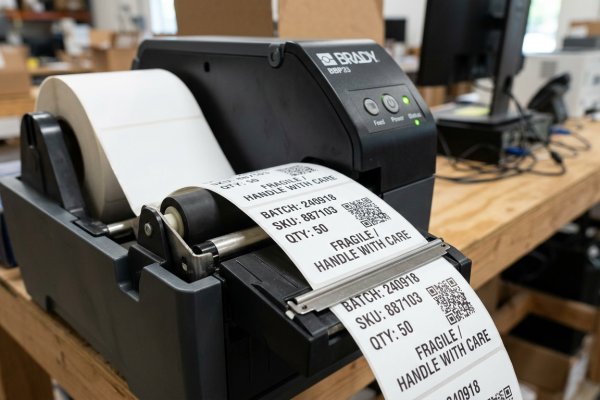
- Pick and Pack: Labour costs for retrieving products from storage and preparing them for dispatch
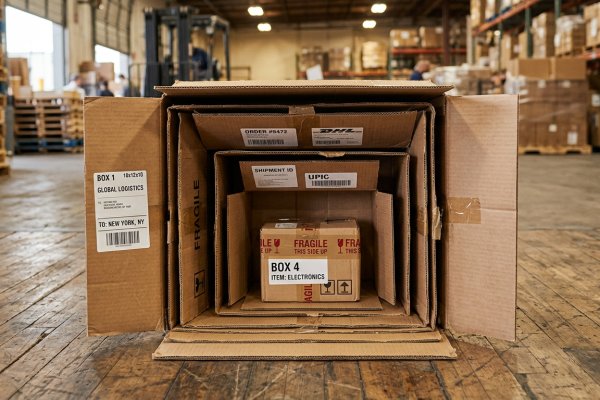
- Packaging Materials: Boxes, padding, tape, and branded materials used in order preparation
- Shipping and Postage: Carrier charges for final delivery to customers
- Value-Added Services: Additional services such as contract packing, labeling, or kitting
Using Price Calculators Effectively
When evaluating potential 3PL partners across Leicester, Leeds, or elsewhere in the UK, enterprises should approach pricing examples with realistic data. Inputting accurate order volumes, average order values, and product dimensions yields projections that genuinely reflect anticipated costs. Many businesses discover that 3PL services cost significantly less than internal operations when all factors are properly accounted for, including hidden costs like management time, equipment depreciation, and facility maintenance.
Advanced calculators also model different scenarios, allowing enterprises to forecast costs under various growth trajectories. This capability proves invaluable for financial planning and helps businesses understand how per-unit fulfilment costs decrease as volumes increase, providing clear ROI targets for marketing investments and expansion initiatives.
Optimizing Postage and Shipping Strategies
For many enterprises, particularly those engaged in B2C operations, postage represents the single largest variable cost in the fulfilment equation. Professional 3PL providers leverage their shipping volumes to negotiate preferential rates with carriers, passing these savings to client enterprises. However, the value extends beyond simple rate discounts to encompass sophisticated shipping optimization strategies.
Multi-Carrier Integration
Rather than relying on a single carrier, established Fulfilment Warehouse operations in Leicester and throughout the UK integrate with multiple courier services. This multi-carrier approach enables intelligent routing where each order is automatically assigned to the most cost-effective or fastest carrier based on destination, package dimensions, and service level requirements.
For B2B fulfilment, where larger shipments and pallet deliveries are common, 3PL providers maintain relationships with freight carriers offering competitive rates for bulk shipping. This comprehensive carrier network ensures optimal postage costs regardless of order size or destination, from local deliveries in Bristol to international shipments reaching global markets.
Postage Cost Management Techniques
Sophisticated 3PL operations employ several strategies to minimize postage expenses for enterprise clients:
- Dimensional Weight Optimization: Strategic packaging selection ensures products ship in appropriately sized boxes, avoiding dimensional weight penalties that can double shipping costs
- Zone Skipping: For high-volume enterprises, consolidating shipments and injecting them into carrier networks closer to final destinations reduces zone charges
- Service Level Intelligence: Automated systems select appropriate delivery speeds, avoiding unnecessarily expensive express services when standard delivery meets customer expectations
- Returns Management: Efficient reverse logistics processes minimize the financial impact of returns by quickly restocking saleable items and processing refunds or exchanges
International Shipping Considerations
Enterprises expanding internationally face additional complexity with customs documentation, duty calculations, and compliance requirements. Experienced 3PL providers maintain expertise in international shipping services, ensuring accurate paperwork that prevents costly delays at border crossings. For businesses utilizing Fulfilled By Amazon programs, specialized knowledge of FBA preparation requirements ensures inventory reaches Amazon fulfillment centers without rejection or additional processing fees.
Technology Integration for Enterprise Efficiency
Modern 3PL relationships extend far beyond physical warehousing and shipping. The most valuable partnerships incorporate sophisticated data flow integration that creates seamless information exchange between enterprise systems and warehouse operations. Real-time inventory visibility, automated order transmission, and comprehensive reporting capabilities enable enterprises to maintain complete control while outsourcing physical logistics operations.
Seamless System Integration
Whether an enterprise operates through Shopify, Magento, or proprietary e-commerce platforms, API connections eliminate manual data entry and the errors it introduces. Orders flow automatically from sales channels to the warehouse, inventory levels update in real-time across all platforms, and tracking information populates customer accounts immediately upon dispatch. This technological sophistication transforms the 3PL from a simple service provider into an integrated extension of the enterprise's operations.
Choosing the Right 3PL Partner for Enterprise Growth
Selecting a 3PL provider represents a strategic decision with long-term implications for enterprise success. Beyond evaluating pricing and facility capabilities, businesses should assess cultural alignment, technological sophistication, and the provider's track record with similar enterprises. Site visits to warehouse facilities provide invaluable insights into operational standards, with attention to cleanliness, organization, and security measures.
For enterprises handling specialized products like clothing requiring hanging storage, or temperature-sensitive beauty products, partnering with a 3PL offering category-specific expertise ensures products receive appropriate handling. Similarly, businesses supplying television shopping channels benefit from providers experienced with QVC TV shopping packing requirements and the tight deadlines these relationships demand.
The ideal 3PL partnership grows alongside your enterprise, accommodating increased volumes, expanded product ranges, and entry into new markets. By carefully evaluating racking storage capabilities, transparent pricing structures, and postage optimization strategies, enterprises position themselves for sustainable growth supported by world-class logistics infrastructure. Whether your business operates from Scotland to the South Coast, the right 3PL partner transforms logistics from a operational challenge into a competitive advantage, enabling focus on innovation, marketing, and customer experience while ensuring products reach customers efficiently and cost-effectively.