In today's competitive e-commerce landscape, businesses are constantly searching for ways to optimize their logistics operations while keeping costs under control. For companies operating in or shipping to London, integrating with major carriers like DHL while implementing strategic cost-reduction measures can transform your supply chain efficiency. This comprehensive guide explores the top ten strategies that can revolutionize your logistics operations and significantly reduce your bottom line.
1. Leverage Advanced DHL Integration Technology
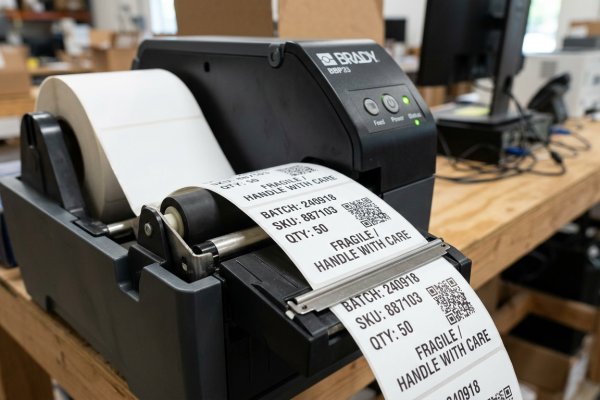
The foundation of cost-effective logistics begins with seamless carrier integration. Modern DHL integration solutions allow businesses to automate shipping processes, eliminating manual data entry and reducing human error. By implementing API-based connections with DHL's systems, companies can access real-time shipping rates, print labels automatically, and track shipments without switching between multiple platforms.
Businesses in London particularly benefit from DHL's extensive local network. The integration enables automatic address validation, ensuring parcels reach their destination on the first attempt, which is crucial in densely populated urban areas where failed deliveries are costly. This technology also provides access to DHL's full range of services, from express delivery to economy options, allowing you to select the most cost-effective solution for each shipment.
Benefits of API Integration
- Reduced processing time by up to 75%
- Minimized shipping errors and associated costs
- Real-time rate shopping across different DHL services
- Automated tracking updates for customer transparency
- Simplified returns management
2. Implement Smart Warehouse Location Strategies
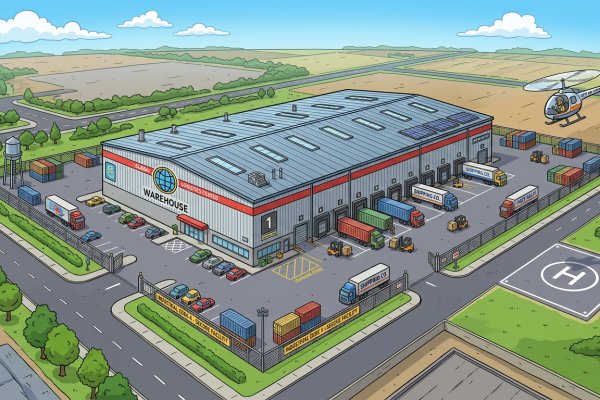
While London remains a critical hub for UK commerce, the capital's high property costs and congestion charges can inflate operational expenses. Strategic warehouse placement outside London's immediate centre, such as utilizing facilities in Leicester, can dramatically reduce overhead while maintaining excellent access to major transport corridors.
Third-party logistics providers like www.beckdaleshipping.co.uk operate from strategically located facilities that offer the perfect balance between accessibility and affordability. Leicester's central UK location provides efficient distribution to London, Manchester, Birmingham, and other major cities while avoiding the premium costs associated with London postcodes.
3. Optimize Packaging for Cost Efficiency
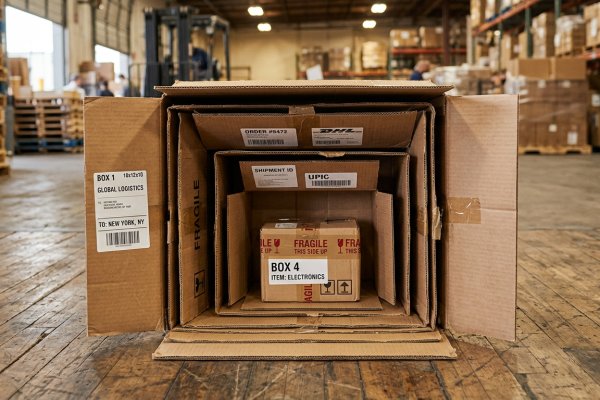
One of the most overlooked aspects of cost reduction is packaging optimization. DHL, like most carriers, uses dimensional weight pricing, meaning oversized packages cost significantly more regardless of actual weight. By right-sizing your packaging and eliminating unnecessary void fill, you can reduce shipping costs by 20-40%.
Packaging Optimization Strategies
- Conduct packaging audits to identify oversized containers
- Use custom-sized boxes for frequently shipped items
- Implement automated packaging systems for consistency
- Choose lightweight protective materials
- Design product packaging that doubles as shipping containers
4. Consolidate Shipments Through Smart Order Management
Businesses shipping to London can achieve substantial savings through shipment consolidation. By grouping multiple orders destined for the same geographic area, you reduce per-unit shipping costs and minimize your carbon footprint. DHL integration platforms can automatically identify consolidation opportunities based on delivery timeframes and destination proximity.
This strategy proves particularly effective for businesses with regular London deliveries. Rather than sending individual parcels throughout the day, consolidating shipments into one or two daily deliveries can reduce costs by up to 35% while maintaining service levels.
5. Utilize DHL's Volume Discount Programs
DHL offers tiered pricing structures that reward higher shipping volumes with reduced rates. By forecasting your shipping needs and committing to volume thresholds, businesses can negotiate preferential rates that significantly impact profitability. Integration with your order management system allows accurate volume tracking and ensures you're meeting contractual obligations.
For growing businesses, partnering with a 3PL provider can provide immediate access to enterprise-level DHL rates without requiring your company to reach those volumes independently. This pooled purchasing power democratizes access to competitive shipping rates.
6. Implement Zone-Skipping Strategies
Zone-skipping involves transporting consolidated shipments closer to final destinations before handing them to DHL for last-mile delivery. For businesses outside London shipping into the capital, this strategy can reduce costs by minimizing the zones parcels travel through DHL's network.
This approach works particularly well when combined with partnerships like those available through www.beckdaleshipping.co.uk, where consolidated shipments can be processed through regional hubs before final distribution, effectively shortening the delivery chain and reducing associated costs.
7. Automate Returns Management
Returns represent a significant cost centre for e-commerce businesses, particularly in London where customer expectations for seamless returns are high. Integrated returns management through DHL systems allows customers to generate return labels automatically, while businesses gain visibility into return patterns and can identify problematic products or quality issues early.
Returns Optimization Features
- Automated return label generation
- Return reason tracking for product improvement
- Restocking workflow automation
- Fraud detection for serial returners
- Return cost allocation to identify true product profitability
8. Deploy Dynamic Service Selection
Not every shipment requires express delivery. Advanced DHL integration enables dynamic service selection based on customer preferences, order value, and delivery timeframes. By automatically routing non-urgent shipments through economy services while reserving express delivery for time-sensitive or high-value orders, businesses can reduce shipping costs by 15-25% without compromising customer satisfaction.
London customers, accustomed to next-day delivery, often appreciate having choice. Offering various delivery speeds at checkout—with integrated DHL pricing displayed in real-time—empowers customers while optimizing your shipping spend.
9. Leverage Data Analytics for Continuous Improvement
Integration with DHL provides access to rich shipping data that, when properly analyzed, reveals opportunities for ongoing cost reduction. Tracking metrics such as average shipping costs per order, delivery success rates, shipping speed versus customer expectations, and carrier performance by route enables data-driven decision-making.
Businesses operating across multiple UK locations, from London to Edinburgh, can compare performance metrics regionally to identify specific improvement opportunities. Perhaps London deliveries have higher failed delivery rates due to access issues, suggesting a need for better customer communication or alternative delivery options like collection points.
10. Partner with Specialized 3PL Providers
The final strategy for maximizing cost reduction while maintaining service excellence involves partnering with specialized third-party logistics providers. These partnerships offer numerous advantages, from negotiated carrier rates and warehouse efficiencies to expertise in logistics optimization that may not exist in-house.
Quality 3PL providers maintain pre-integrated connections with DHL and other major carriers, eliminating the technical burden of establishing and maintaining these integrations. They also offer scalability, allowing businesses to flex capacity up or down based on seasonal demand without the fixed costs associated with owned infrastructure.
3PL Partnership Benefits
- Access to enterprise-level carrier rates
- Reduced capital investment in warehouse facilities
- Expertise in logistics optimization
- Scalability for seasonal fluctuations
- Geographic expansion without infrastructure investment
- Focus on core business competencies
Implementation Roadmap for Success
Implementing these ten strategies doesn't require a complete operational overhaul overnight. Begin by assessing your current logistics performance and identifying the areas with greatest improvement potential. For many London-focused businesses, starting with DHL integration and packaging optimization delivers immediate returns that can fund further initiatives.
Consider conducting a comprehensive logistics audit that examines your shipping volumes, destination patterns, current carrier performance, warehouse efficiency, and technology infrastructure. This baseline assessment reveals specific opportunities within your operation and helps prioritize improvements based on potential ROI.
Measuring Success
As you implement these cost-reduction strategies, establish clear metrics to track progress. Key performance indicators should include:
- Total shipping cost as a percentage of revenue
- Average cost per shipment by destination
- Delivery success rate on first attempt
- Order processing time from placement to dispatch
- Customer satisfaction with delivery experience
- Returns rate and associated costs
- Warehouse productivity metrics
Regular review of these metrics, ideally monthly or quarterly, ensures your optimization efforts deliver sustained results and identifies new opportunities for improvement as your business evolves.
Conclusion
Reducing logistics costs while maintaining or improving service levels in competitive markets like London requires a multifaceted approach. By leveraging advanced DHL integration, optimizing operational processes, and considering strategic partnerships with specialized providers, businesses can achieve significant cost savings while positioning themselves for sustainable growth.
The e-commerce landscape continues evolving, with customer expectations rising alongside operational complexities. Companies that invest in proper integration technology, data-driven decision-making, and strategic logistics partnerships will find themselves well-positioned to compete effectively while protecting margins.
Whether you're a growing e-commerce retailer, an established brand expanding into new markets, or a business reassessing its logistics strategy, these ten approaches provide a framework for building an efficient, cost-effective supply chain that supports your business objectives both in London and throughout the UK.