The Benefits of Using QR Codes to Scan Goods in a 3PL Fulfilment Warehouse
In today’s fast-paced logistics and supply chain environment, precision, visibility, and efficiency are critical to maintaining a competitive edge. Within third-party logistics (3PL) fulfilment centres, the management of product data—especially for goods with expiry or batch tracking requirements—plays a central role in ensuring product integrity, compliance, and customer satisfaction. One of the most effective technologies to support these goals is the use of QR codes for scanning and tracking goods throughout the warehouse.
Unlike traditional barcodes, QR codes (Quick Response codes) can store significantly more information, including best before dates, use-by dates, and batch information. This capability transforms the way stock is received, stored, picked, and dispatched, particularly for businesses handling perishable goods or products requiring batch traceability. Implementing QR codes within a Warehouse Management System (WMS) allows 3PL operators to streamline workflows, minimise human error, ensure FIFO (First In, First Out) or FEFO (First Expired, First Out) rotation, and provide unparalleled control over stock life management.
Accurate Booking-In and Data Capture
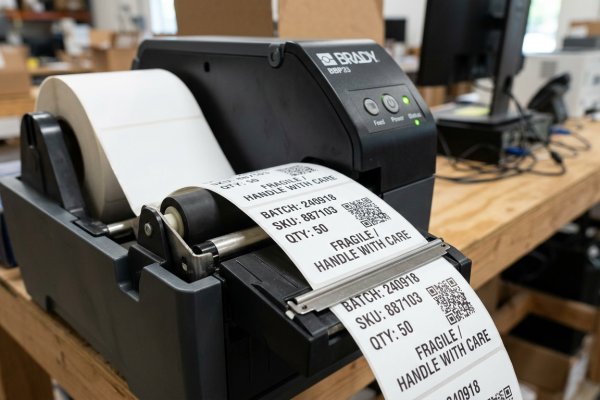
When goods arrive at the fulfilment warehouse, they can be booked in using QR codes that contain critical data such as SKU (Stock Keeping Unit), batch number, best before date, and quantity. By scanning a single QR code, warehouse staff instantly capture all of this information into the WMS, eliminating the need for manual entry or the risk of transcription errors. This digital capture ensures that each product is recorded with the correct batch and date data from the moment it enters the warehouse.
This accuracy at the inbound stage is vital. It ensures that the system always “knows” the age, condition, and location of every product within the warehouse. Moreover, it enables real-time visibility into the shelf life status of stock, allowing warehouse managers and clients to make informed decisions about storage, picking priorities, and promotional planning.
For example, once products are booked in with their correct batch and date information, the WMS can automatically flag any items that fall below a client’s minimum remaining shelf life requirement. This prevents short-dated goods from being stored for customers that do not wish to receive them. The system can even automatically assign stock to specific storage zones depending on its shelf life, optimising space and handling efficiency.
Ensuring the Correct Batch Is Picked
One of the most significant benefits of QR code integration is the accuracy of batch picking. Each SKU can have multiple batches with different expiry dates. In traditional warehouse environments, pickers may inadvertently choose the wrong batch, especially when visual labelling is unclear or when similar-looking stock is stored close together. However, with QR-coded inventory, this risk is virtually eliminated.
When pickers scan a QR code during the picking process, the WMS immediately verifies whether the scanned batch matches the one allocated for that order. If the wrong batch is scanned, the system alerts the operator and prevents confirmation until the correct item is picked. This ensures complete accuracy in both order fulfilment and traceability.
Moreover, by using the QR code’s embedded date and batch data, the WMS automatically applies a FEFO (First Expired, First Out) picking rule. This means that the system prioritises items that are closest to their expiry but still above the defined minimum shelf life threshold. Consequently, the oldest appropriate stock is always sent first, ensuring product freshness and reducing the risk of waste.
Intelligent Shelf Life Management
QR code integration also supports sophisticated shelf life control across the warehouse. Since every scanned item carries its own batch and expiry data, the WMS can maintain an accurate record of what stock is in date, what is approaching expiry, and what has already expired. Each SKU can be configured with a custom minimum remaining shelf life—for example, 30, 60, or 90 days—depending on the product type and customer requirements.
This flexibility allows fulfilment centres to serve multiple clients with different shelf life expectations without any confusion or overlap. For example, a client distributing to retail outlets may require at least 60 days of remaining life on goods, while a foodservice wholesaler might accept 30 days. The WMS can automatically prevent goods below these thresholds from being allocated to incompatible orders.
When an order is placed, the system intelligently selects stock that meets the required shelf life criteria. It chooses the shortest future expiry date beyond the set minimum, ensuring that older stock is cleared first while maintaining compliance with the client’s freshness standards. This not only optimises inventory rotation but also prevents the accumulation of obsolete or short-dated stock.
Customisation for B2B and Special Orders
For business-to-business (B2B) or custom orders, flexibility is essential. Wholesalers and trade customers often have specific shelf life expectations because they need enough remaining time to resell the products. QR-coded batch data enables this level of precision.
When creating a B2B or bespoke order, the warehouse operator can select exactly which batch or date range they wish to allocate. For example, if a wholesale client requests stock with at least 120 days of life remaining, the system can filter available batches and allow the operator to assign only those meeting the criteria. Alternatively, the client themselves could request a specific batch—for instance, to align with production traceability or to match previous deliveries.
This capability gives 3PL warehouses a competitive advantage, offering a higher level of control and customer service. It builds trust with business clients by ensuring they consistently receive products with suitable shelf life, improving their downstream supply chain efficiency.
Proactive Stock Management and Forecasting
The use of QR codes also enables proactive stock management. Because the WMS stores all batch and expiry data, managers can forecast upcoming expiries and take preventative action. For example, the system can generate a report showing all products that will be out of date within the next 90 days. This insight allows warehouse teams and clients to make strategic decisions, such as reducing the price of short-dated stock, launching clearance promotions, or adjusting procurement schedules.
This proactive approach prevents costly write-offs and helps maintain cash flow. Rather than discovering expired goods after the fact, warehouse operators can act early to move inventory while it still holds value. For clients dealing with food, pharmaceuticals, or cosmetics, where regulatory compliance is essential, this functionality also ensures that no out-of-date products are ever shipped.
Streamlined Operations and Cost Efficiency
Beyond accuracy and compliance, QR code technology improves operational efficiency across the fulfilment process. Scanning QR codes is faster than manually entering or verifying batch data, reducing handling time during receiving, picking, and dispatch. The automation of data capture minimises paperwork, speeds up audits, and simplifies training for new staff.
Additionally, because the WMS maintains a live record of every item’s batch and expiry status, the need for manual cycle counts or visual expiry checks is reduced. Staff can focus on value-adding activities rather than routine administration. Over time, this efficiency translates into lower labour costs, fewer returns, and improved order accuracy—key performance indicators for any 3PL provider.
Enhanced Traceability and Compliance
In industries where traceability is mandatory, such as food, pharmaceuticals, and health products, QR codes provide an auditable digital trail for every batch that moves through the warehouse. If a recall or investigation is required, the system can instantly identify which customers received stock from a specific batch and when it was dispatched. This capability greatly simplifies compliance with standards such as BRCGS, ISO 22000, or MHRA guidelines, reducing both risk and administrative burden.
Conclusion
In summary, implementing QR codes to scan goods within a 3PL fulfilment warehouse delivers comprehensive benefits across accuracy, efficiency, compliance, and customer service. By embedding key data such as best before/use-by dates and batch numbers directly into the QR code, each product becomes a self-contained source of truth. The WMS leverages this data to ensure the correct batch is picked, the right shelf life is maintained, and the appropriate stock rotation rules are followed.
With intelligent shelf life management, B2B customisation options, and proactive expiry reporting, warehouses can maintain complete control over product freshness and traceability. Ultimately, QR code integration transforms fulfilment operations from reactive to proactive—reducing waste, improving stock flow, and enhancing customer satisfaction. In an industry where accuracy and time are everything, QR codes provide the digital foundation for smarter, more efficient, and more transparent supply chain management.