FCL vs LCL Container Shipping: A Comprehensive Guide to International Freight
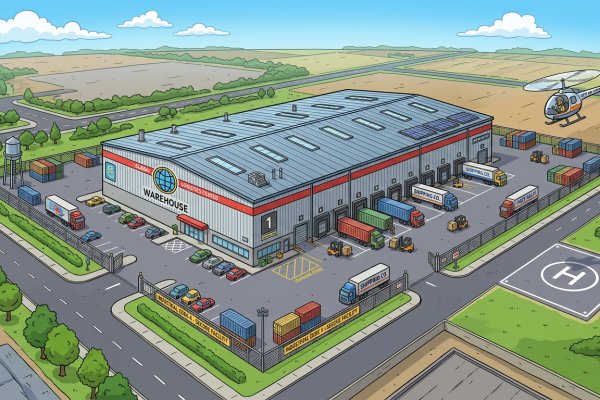
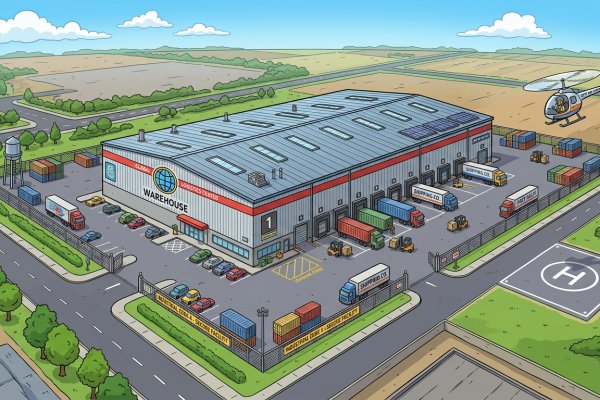
In the complex world of international shipping, choosing between Full Container Load (FCL) and Less than Container Load (LCL) can significantly impact your supply chain efficiency, costs, and product integrity. Whether you're importing goods in 20-foot containers or 40-foot containers, understanding the distinctions between these shipping methods is crucial for making informed logistics decisions. At Beckdale's Leicester warehouse facility, we specialize in receiving, processing, and distributing containerized shipments, providing comprehensive 3PL services that bridge the gap between international freight and final delivery.
Understanding Container Shipping: FCL and LCL Explained
Container shipping forms the backbone of global trade, with standardized shipping containers facilitating the movement of goods across continents. The two primary methods of container shipping are Full Container Load and Less than Container Load, each serving different business needs and cargo volumes.
Full Container Load (FCL) shipping means your business has exclusive use of an entire container, whether it's a standard 20-foot container (approximately 33 cubic metres) or a 40-foot container (approximately 67 cubic metres). Your goods alone occupy the container from origin to destination, providing maximum control over the shipping environment and timeline.
Less than Container Load (LCL) shipping, conversely, involves sharing container space with other shippers' cargo. This consolidation method allows businesses to ship smaller quantities without paying for an entire container, making it an economical choice for companies with limited cargo volumes or those testing new markets.
The Beckdale Container Receiving Process
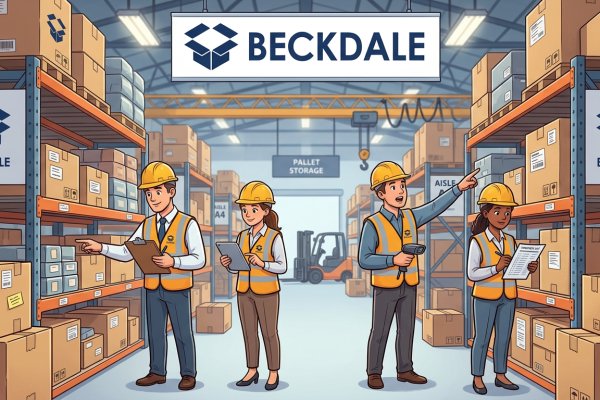
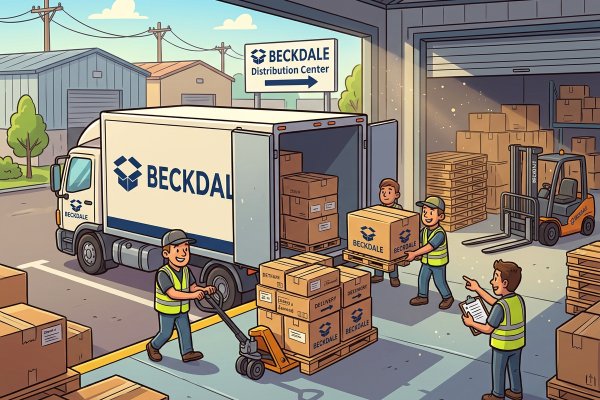
When your container arrives at our Leicester warehouse facility, our experienced team immediately begins the unloading process. We handle both 20-foot and 40-foot containers with equal efficiency, equipped with the necessary infrastructure to manage high-volume imports safely and quickly.
Upon arrival, containers are unloaded using appropriate materials handling equipment. If your goods arrive palletised, we carefully offload each pallet, maintaining the integrity of your packaging and product arrangement. For loose-loaded containers, where goods are packed directly into the container without pallets, our team systematically unloads and palletises the cargo, creating stable, warehouse-ready units that facilitate efficient storage and subsequent handling.
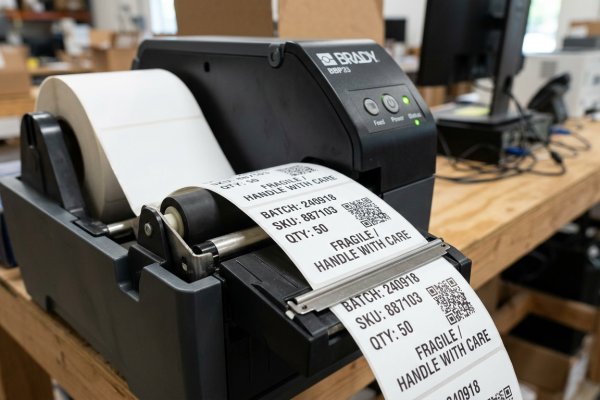
Every item undergoes a thorough checking and booking-in process. Our warehouse management system records quantities, verifies against shipping documentation, notes any discrepancies or damage, and assigns appropriate storage locations. This meticulous approach ensures complete inventory accuracy from the moment goods enter our facility, providing you with real-time visibility of your stock levels through our 24/7 online portal.
From Storage to Distribution: Flexible Fulfilment Options
Once your containerized goods are checked in and stored at our Leicester warehouse, they become available for various distribution channels according to your business requirements. Our flexible 3PL services accommodate multiple fulfilment models, ensuring your inventory reaches its intended destination efficiently.
For B2B (Business-to-Business) distribution, we can ship your products in bulk quantities directly to retailers, wholesalers, or other commercial customers. Whether you need full pallet loads dispatched to regional distribution centers or mixed pallets for smaller retailers, our team handles the picking, packing, and shipping with precision. We coordinate with various carriers to ensure your B2B shipments arrive on time and in perfect condition.
Alternatively, your containerized inventory can serve as B2C (Business-to-Consumer) stock for e-commerce fulfilment. We seamlessly integrate with your online sales channels, picking individual items as orders are placed and dispatching them directly to your end customers. This direct-to-consumer fulfilment service transforms your bulk container shipment into a responsive, customer-facing operation, complete with branded packaging options and fast dispatch times.
The versatility of our service means a single container can serve multiple purposes. You might allocate some inventory for bulk B2B orders while reserving the remainder for individual consumer orders, allowing you to maximize market coverage and respond dynamically to different sales channels from a single import shipment.
The Compelling Advantages of FCL Shipping
While LCL shipping offers cost advantages for smaller shipments, Full Container Load shipping provides numerous benefits that often make it the superior choice for businesses with sufficient cargo volume or those prioritizing product protection and supply chain control.
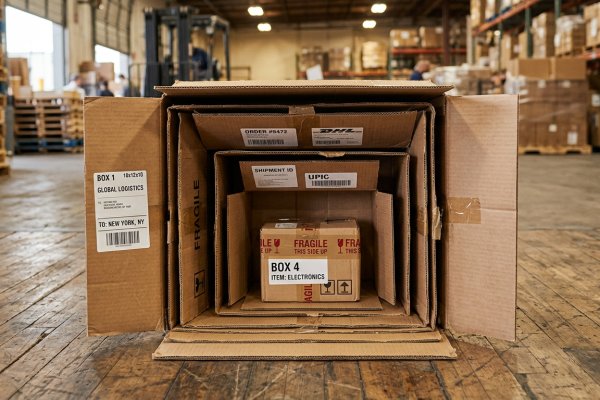
Superior cargo protection stands as the most significant advantage of FCL shipping. When you utilize an entire container, your goods experience minimal handling throughout the journey. Your factory loads the container, it's sealed, transported to the port, loaded onto the vessel, unloaded at the destination port, and delivered directly to our warehouse—all without the cargo being touched until we unload it. This reduced handling dramatically decreases the risk of damage, loss, or contamination.
In contrast, LCL shipments undergo multiple handling stages. Goods must be delivered to a consolidation facility, unpacked, stored, loaded into the shared container with other cargo, unloaded at destination, stored again at a deconsolidation facility, and finally delivered. Each handling stage introduces risk, and port handling can be particularly damaging as workers process high volumes quickly with less individualized care for each shipment.
Enhanced timing control represents another crucial FCL advantage. With your own container, you dictate the loading schedule at origin and benefit from direct routing to destination. There's no waiting for consolidation with other shippers' cargo or dealing with deconsolidation delays at the destination port. This predictable timeline improves inventory planning and reduces the risk of stockouts.
Better security and confidentiality come inherent with FCL shipping. Your container is sealed after loading and remains sealed until arrival at our facility, preventing unauthorized access and keeping your products and suppliers confidential from competitors who might share an LCL container.
Beckdale's ExWorks Collection and Import Services
Our comprehensive service extends beyond simply receiving containers at our Leicester warehouse. We offer ExWorks collection worldwide, managing the entire logistics chain from your factory door to our facility, providing true end-to-end supply chain solutions.
Under ExWorks (EXW) terms, you make your goods available at your factory or warehouse, and Beckdale assumes responsibility for all subsequent logistics. Your factory loads the container according to your specifications—whether palletised or loose-packed—and we handle everything thereafter. We arrange container pickup, manage international shipping, coordinate with freight forwarders and shipping lines, and ensure smooth transit to the UK.
We handle all import procedures, including customs clearance, duty payments, and regulatory compliance. You provide essential documentation—commercial invoices, packing lists, and bills of lading—and we manage the administrative complexity of international trade. Our experience with UK customs procedures ensures efficient clearance and minimizes delays at the border.
Throughout the shipping process, we keep you informed. We advise when goods are due to arrive, providing estimated time of arrival updates so you can plan accordingly. When containers reach UK ports, we coordinate immediate delivery to our Leicester facility, minimizing dwell time and associated port charges.
Regarding costs, you pay the fees associated with your shipment—including freight charges, insurance, customs duties, and any applicable port fees. We provide transparent quotations upfront, ensuring you understand the complete landed cost before committing to shipment. This clarity enables accurate pricing decisions and eliminates unwelcome financial surprises.
Once goods arrive at our warehouse, they immediately enter our controlled environment where they're unloaded, checked, palletised if necessary, and integrated into your inventory. From this point, you gain full online visibility and can begin fulfilling orders immediately, whether through B2B bulk shipments or individual B2C e-commerce orders.
The LCL Alternative: When Sharing Makes Sense
Despite FCL's advantages, Less than Container Load shipping remains a viable and often necessary option for certain business scenarios. Understanding when LCL makes economic sense helps optimize your shipping strategy.
The primary benefit of LCL shipping is cost efficiency for smaller shipments. Rather than paying for container space you don't need, you pay only for the cubic metres your cargo occupies. For businesses with limited order quantities, those testing new products, or companies with irregular shipping patterns, LCL is considerably cheaper than booking an entire container that would sit half-empty.
However, these cost savings come with trade-offs. LCL shipments typically take longer to reach destination due to consolidation and deconsolidation requirements. Your cargo must wait for the consolidation warehouse to accumulate sufficient shipments to fill a container, adding days or even weeks to transit time. At destination, similar delays occur during deconsolidation.
Multiple handling fees accumulate throughout the LCL process. Your goods are delivered to the consolidation facility (handling charge), stored until the container is full (storage fee), loaded into the container (loading fee), then at destination, they're unloaded (unloading fee), stored at the deconsolidation facility (storage fee), and finally delivered to the end destination (delivery fee). These various charges can erode the initial cost savings, particularly for time-sensitive or fragile goods.
The increased handling inherent in LCL means greater risk of damage, loss, or delays. Each time your goods are moved, packed, unpacked, or stored alongside other shipments, potential problems multiply. For valuable, fragile, or time-critical cargo, the apparent cost savings of LCL can quickly disappear if damage occurs or delays cause stockouts.
Making the Right Choice for Your Business
The decision between FCL and LCL shipping should consider multiple factors beyond simple cost per cubic metre. Cargo volume naturally plays a primary role—if you're shipping enough to fill or nearly fill a container, FCL almost always proves more economical and protective.
Product characteristics matter significantly. Fragile items, high-value goods, or products susceptible to contamination strongly favour FCL shipping's reduced handling. Conversely, durable, low-value items might tolerate LCL's additional handling without significant risk.
Timeline requirements influence the decision considerably. If you need goods urgently or have tight inventory windows, FCL's direct routing and predictable scheduling outweigh potential LCL cost savings. For less time-sensitive replenishment shipments, LCL's slower transit might be acceptable.
Your supply chain strategy also guides the choice. Companies pursuing lean inventory models with frequent smaller shipments might find LCL more aligned with their approach, while those making periodic bulk purchases benefit from FCL's economies of scale and protection.
Conclusion: Comprehensive Container Solutions from Leicester
Whether you choose Full Container Load or Less than Container Load shipping, Beckdale's Leicester warehouse facility provides comprehensive receiving, processing, and distribution services that ensure your international shipments transition smoothly into UK-based inventory ready for immediate fulfilment.
Our container unloading and palletisation services handle both 20-foot and 40-foot containers efficiently, while our thorough checking and booking-in processes guarantee inventory accuracy from arrival. The flexibility to serve both B2B bulk distribution and B2C e-commerce fulfilment from the same inventory maximizes your market reach and operational efficiency.
For businesses prioritizing cargo protection, timing control, and minimal handling, FCL shipping offers compelling advantages despite higher per-shipment costs. The reduced risk of damage, particularly given the rough handling often experienced during port consolidation and deconsolidation, makes FCL the prudent choice for valuable or fragile goods.
Our worldwide ExWorks collection service simplifies international procurement, allowing you to focus on sourcing while we manage the logistics complexity of container shipping, customs clearance, and final delivery to our Leicester facility. With transparent pricing, regular communication, and seamless integration into our warehouse management systems, we transform complex international shipping into a straightforward, reliable component of your supply chain.
Understanding the nuances of container shipping enables better logistics decisions that protect your products, control your costs, and ensure reliable supply. Whether shipping full containers for maximum protection or utilizing LCL for cost-effective smaller shipments, partnering with an experienced 3PL provider like Beckdale ensures your international goods reach customers safely and efficiently.