Designing Reliable Contract Packing Schedules for Maximum Efficiency
A practical, logistics-focused essay on why planning, staffing and warehouse flow matter — and how repeat runs demand second-by-second optimisation.
Contract packing schedules are the backbone of any efficient fulfilment operation. In a 3PL or in-house warehouse environment the difference between a profitable project and a costly headache often comes down to how well the packing schedule has been prepared. Simple assumptions — “we’ll just pack these when they turn up” — ignore a raft of operational realities: the need to move goods around the warehouse, maintain a continuous flow of work, and ensure that repeated jobs are timed and designed so that seconds count on every pick, label and pack.
Why advance notice matters (and what happens without it)
Without enough warning, even the best-run warehouse may need to call on temporary staff. Temporary labour can be useful, but it is usually less reliable and less productive than a trained team. Relying on ad-hoc labour increases the likelihood of mistakes, slows packing rates and raises the need for supervision. In short, lack of planning is not just inconvenient — it is expensive. A well-structured schedule minimises reliance on temporary hires by smoothing peaks and allowing predictable roster planning, which in turn improves quality and reduces rework.
Substantial planning equals sustained efficiency
To be most efficient, contract packing requires substantial planning across several dimensions: staffing, equipment, workspace layout, stock checks, and contingency steps for unexpected surges. Planning includes setting realistic throughput targets based on time-and-motion studies, ensuring correct packaging supplies are in place, and mapping how goods will flow from intake to the packing bench to despatch. These are not theoretical tasks — they are practical, day-to-day activities that directly affect cost-per-order and customer satisfaction.
Logistics and moving goods around the warehouse
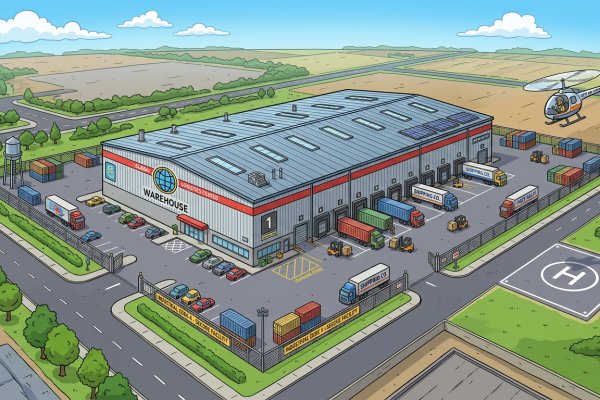
Contract packing is not just "someone with the parts on a table in the office". It is a logistics operation. Goods may arrive on pallets, in crates or as loose boxes; they must be received, recorded into the WMS (warehouse management system), and placed where they will be accessed efficiently for packing runs. Moving goods multiple times wastes labour and risks stock discrepancies. Careful slotting — placing frequently packed items close to packing stations — and using FIFO or batch-based slotting for perishable or date-sensitive items reduces travel time and error rates.
Keeping the work flowing: the art of the continuous run
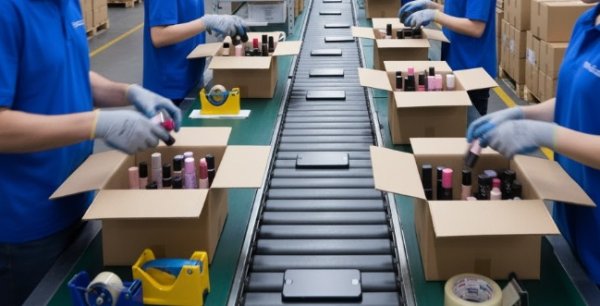
A managed packing schedule keeps a constant flow of work to the team. For repeat jobs (for example, promotional box builds or subscription kit packing), the process should be designed so that every individual action is minimised. When a job is repeated many times, seconds count: even a few seconds saved per unit scales into hours across a large batch. Use jigs, pre-packed sub-assemblies, and standardised checklists to make each repetition predictable and fast. Regularly measure pack times and use that data to refine staffing and layout.
Management, supervision and error control
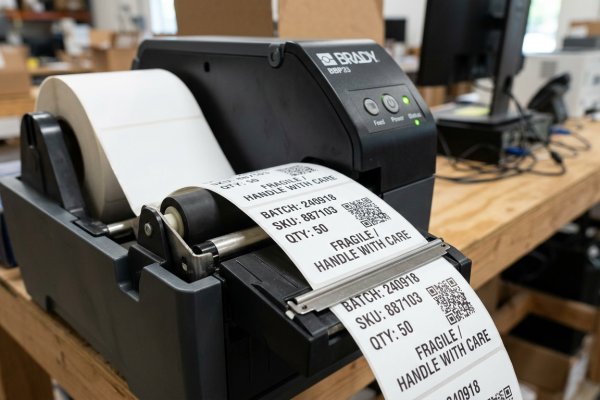
Efficient contract packing schedules require effective management. A supervisor must balance throughput with quality control — checking weights, labels and seals — and manage exceptions such as damaged stock or missing parts. Invest time in training, provide clear visual instructions at packing stations, and use simple QA checks to catch errors early. Management is not about micromanagement; it is about designing processes that make errors hard to do and easy to spot.
Stock checks, traceability and batch control
Accurate stock counts are essential. Packing schedules should incorporate routine cycle counts before major runs and use barcode scanning to ensure correct picks. For food, cosmetics or pharmaceuticals, batch traceability and best-before management (FIFO) are non-negotiable. Integrate stock checks into the schedule so that picking and packing are informed by real-time stock status. This reduces stoppages due to shortages and prevents late discoveries of damaged or expired goods.
Practical steps to build a robust packing schedule
- Forecast demand — use historical data and campaign calendars to predict volumes and highlight peak windows.
- Define pack standards — specify exactly what constitutes a finished pack, including labelling, inserts and packaging materials.
- Slot items — locate high-turn items near packing stations and group slow movers to minimise travel.
- Staff to the plan — roster trained permanent staff where possible; use temps only for planned surges and pair them with experienced leads.
- Use pre-assembly — for multi-part kits, pre-assemble recurring sub-kits to save seconds on the final pack.
- Monitor and refine — collect pack-time data, defect rates and throughput to refine cycle times and reorder thresholds.
Repeat jobs and continuous improvement
For repeated contract packing jobs, document the best-known method and lock it into the schedule. Small improvements — a different label roll holder, a slight change to the station height, or a rearranged parts shelf — compound quickly. Encourage feedback from packers: the people doing the work often spot improvements that managers miss. Create a short continuous improvement loop where suggestions are trialled and successful changes standardised.
The cost of treating packing as an afterthought
Treating packing as an informal activity leads to hidden costs: rework, delayed despatch, higher returns and damage to customer experience. Conversely, a well-run packing schedule reduces packing cost per unit, lowers error rates and helps despatch on time. If your fulfilment partner or internal team can demonstrate clear process documentation, time-and-motion baselines and transparent pricing for packing operations, you are far more likely to achieve consistent results.
When to bring in a specialist 3PL
If your business experiences variable peaks, or if your packing needs include specialised services (Amazon FBM preparation, TV shopping orders, promotional kitting), a specialist 3PL can be the right partner. 3PL providers combine experienced warehouse teams with tested processes, often providing the flexibility to scale and the technology to report on performance. Choose a partner who demonstrates experience with the types of packing you require and who treats contract packing as a core service rather than an add-on.
Designing Reliable Contract Packing Schedules for Maximum Efficiency
A practical, logistics-focused essay on why planning, staffing and warehouse flow matter — and how repeat runs demand second-by-second optimisation.
Contract packing schedules are the backbone of any efficient fulfilment operation. In a 3PL or in-house warehouse environment the difference between a profitable project and a costly headache often comes down to how well the packing schedule has been prepared. Simple assumptions — “we’ll just pack these when they turn up” — ignore a raft of operational realities: the need to move goods around the warehouse, maintain a continuous flow of work, and ensure that repeated jobs are timed and designed so that seconds count on every pick, label and pack.
Why advance notice matters (and what happens without it)
Without enough warning, even the best-run warehouse may need to call on temporary staff. Temporary labour can be useful, but it is usually less reliable and less productive than a trained team. Relying on ad-hoc labour increases the likelihood of mistakes, slows packing rates and raises the need for supervision. In short, lack of planning is not just inconvenient — it is expensive. A well-structured schedule minimises reliance on temporary hires by smoothing peaks and allowing predictable roster planning, which in turn improves quality and reduces rework.
Substantial planning equals sustained efficiency
To be most efficient, contract packing requires substantial planning across several dimensions: staffing, equipment, workspace layout, stock checks, and contingency steps for unexpected surges. Planning includes setting realistic throughput targets based on time-and-motion studies, ensuring correct packaging supplies are in place, and mapping how goods will flow from intake to the packing bench to despatch. These are not theoretical tasks — they are practical, day-to-day activities that directly affect cost-per-order and customer satisfaction.
Logistics and moving goods around the warehouse
Contract packing is not just "someone with the parts on a table in the office". It is a logistics operation. Goods may arrive on pallets, in crates or as loose boxes; they must be received, recorded into the WMS (warehouse management system), and placed where they will be accessed efficiently for packing runs. Moving goods multiple times wastes labour and risks stock discrepancies. Careful slotting — placing frequently packed items close to packing stations — and using FIFO or batch-based slotting for perishable or date-sensitive items reduces travel time and error rates.
Keeping the work flowing: the art of the continuous run
A managed packing schedule keeps a constant flow of work to the team. For repeat jobs (for example, promotional box builds or subscription kit packing), the process should be designed so that every individual action is minimised. When a job is repeated many times, seconds count: even a few seconds saved per unit scales into hours across a large batch. Use jigs, pre-packed sub-assemblies, and standardised checklists to make each repetition predictable and fast. Regularly measure pack times and use that data to refine staffing and layout.
Management, supervision and error control
Efficient contract packing schedules require effective management. A supervisor must balance throughput with quality control — checking weights, labels and seals — and manage exceptions such as damaged stock or missing parts. Invest time in training, provide clear visual instructions at packing stations, and use simple QA checks to catch errors early. Management is not about micromanagement; it is about designing processes that make errors hard to do and easy to spot.
Stock checks, traceability and batch control
Accurate stock counts are essential. Packing schedules should incorporate routine cycle counts before major runs and use barcode scanning to ensure correct picks. For food, cosmetics or pharmaceuticals, batch traceability and best-before management (FIFO) are non-negotiable. Integrate stock checks into the schedule so that picking and packing are informed by real-time stock status. This reduces stoppages due to shortages and prevents late discoveries of damaged or expired goods.
Practical steps to build a robust packing schedule
- Forecast demand — use historical data and campaign calendars to predict volumes and highlight peak windows.
- Define pack standards — specify exactly what constitutes a finished pack, including labelling, inserts and packaging materials.
- Slot items — locate high-turn items near packing stations and group slow movers to minimise travel.
- Staff to the plan — roster trained permanent staff where possible; use temps only for planned surges and pair them with experienced leads.
- Use pre-assembly — for multi-part kits, pre-assemble recurring sub-kits to save seconds on the final pack.
- Monitor and refine — collect pack-time data, defect rates and throughput to refine cycle times and reorder thresholds.
Repeat jobs and continuous improvement
For repeated contract packing jobs, document the best-known method and lock it into the schedule. Small improvements — a different label roll holder, a slight change to the station height, or a rearranged parts shelf — compound quickly. Encourage feedback from packers: the people doing the work often spot improvements that managers miss. Create a short continuous improvement loop where suggestions are trialled and successful changes standardised.
The cost of treating packing as an afterthought
Treating packing as an informal activity leads to hidden costs: rework, delayed despatch, higher returns and damage to customer experience. Conversely, a well-run packing schedule reduces packing cost per unit, lowers error rates and helps despatch on time. If your fulfilment partner or internal team can demonstrate clear process documentation, time-and-motion baselines and transparent pricing for packing operations, you are far more likely to achieve consistent results.
When to bring in a specialist 3PL
If your business experiences variable peaks, or if your packing needs include specialised services (Amazon FBM preparation, TV shopping orders, promotional kitting), a specialist 3PL can be the right partner. 3PL providers combine experienced warehouse teams with tested processes, often providing the flexibility to scale and the technology to report on performance. Choose a partner who demonstrates experience with the types of packing you require and who treats contract packing as a core service rather than an add-on.