The ecommerce landscape has transformed dramatically over the past decade, and with it, the expectations placed upon fulfilment providers have evolved exponentially. For businesses seeking 3PL ecommerce fulfilment in the UK, understanding what separates exceptional service from mediocre operations has become crucial to maintaining competitive advantage. This comprehensive guide explores the top ten essential elements that define modern, efficient fulfilment operations.
1. Advanced Barcode Scanning Systems
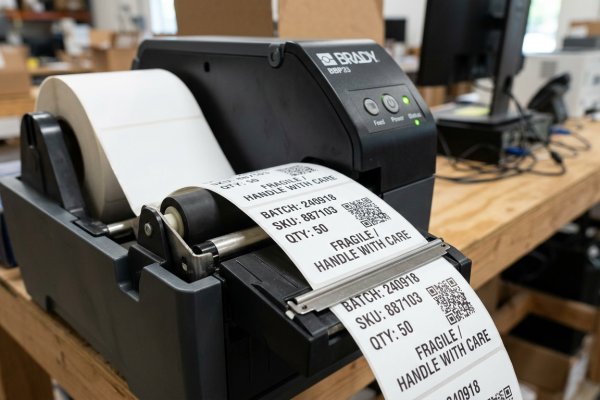
At the heart of every efficient fulfilment operation lies sophisticated barcode scanning technology. This fundamental component serves as the backbone of inventory accuracy and order precision. Modern barcode scanning systems have evolved far beyond simple product identification, now incorporating multiple verification checkpoints throughout the fulfilment journey.
Contemporary scanning solutions integrate seamlessly with warehouse management systems, capturing data at every touchpoint from goods receipt through to dispatch. This creates an unbroken chain of accountability and traceability, essential for maintaining the integrity of your supply chain. When products arrive at the warehouse, barcode scanning verifies quantities against purchase orders, immediately flagging discrepancies before they cascade into larger problems.
Multi-Point Verification
The most effective 3PL providers implement barcode scanning at numerous stages:
- Inbound goods receipt and quality checking
- Put-away location confirmation
- Pick verification during order processing
- Pack station validation before dispatch
- Final gate check before carrier collection
2. Strategic Palletisation Practices
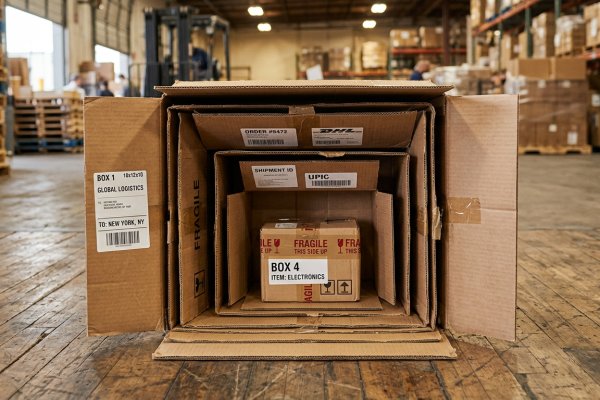
Efficient palletisation represents far more than simply stacking boxes on wooden platforms. It's a strategic process that optimizes space utilization, protects products during transit, and streamlines handling throughout the supply chain. Professional 3PL providers understand that proper palletisation can significantly reduce shipping costs whilst minimizing damage rates.
Modern palletisation considers multiple factors including weight distribution, stack stability, pallet type selection, and compliance with carrier specifications. The arrangement of products must account for the journey ahead, whether goods are destined for retail distribution centres or direct-to-consumer delivery networks.
Palletisation Best Practices
Industry-leading fulfilment centres employ sophisticated palletisation strategies that include column stacking for maximum stability, appropriate use of stretch wrap or strapping, and careful consideration of pallet height restrictions. These practices ensure goods arrive in pristine condition whilst maximizing transportation efficiency.
3. Robust Warehouse Management Systems
The technology infrastructure supporting modern fulfilment operations must be both powerful and flexible. A comprehensive Warehouse Management System orchestrates the complex dance of inventory movement, order processing, and resource allocation. These systems provide real-time visibility into stock levels, order status, and operational performance metrics.
Integration capabilities represent a critical consideration when evaluating WMS solutions. The system must communicate seamlessly with ecommerce platforms, courier systems, and enterprise resource planning software to create a cohesive digital ecosystem that eliminates manual data entry and reduces error rates.
4. Real-Time Inventory Visibility
Transparency has become non-negotiable in modern supply chain management. Businesses require instant access to accurate inventory data across all channels and locations. This visibility extends beyond simple stock counts to include detailed information about product location, batch numbers, expiry dates, and stock movement history.
Advanced 3PL providers offer sophisticated reporting dashboards that present inventory data in digestible formats, enabling informed decision-making around reordering, promotional planning, and channel allocation. This transparency builds confidence and enables proactive management rather than reactive firefighting.
5. Scalable Infrastructure
Seasonal fluctuations, promotional campaigns, and business growth all demand flexibility from fulfilment operations. The infrastructure supporting 3PL ecommerce fulfilment UK operations must accommodate dramatic volume variations without compromising service levels or cost efficiency.
Scalability encompasses physical space, labour resources, technology capacity, and process flexibility. www.beckdaleshipping.co.uk and similar forward-thinking providers invest in modular systems and flexible staffing models that expand and contract according to demand patterns, ensuring clients only pay for the resources they actually utilize.
6. Integrated Supply Chain Connectivity
Modern fulfilment doesn't exist in isolation—it forms one component within a complex supply chain network. Exceptional 3PL providers recognize their role in this broader ecosystem and facilitate seamless connectivity between suppliers, manufacturers, retailers, and end consumers.
This integration extends to carrier partnerships, customs documentation for international shipments, and returns processing. By serving as a central hub within the supply chain, sophisticated fulfilment operations reduce friction, minimize delays, and create visibility across the entire product journey from factory to customer doorstep.
Supply Chain Optimization
Leading providers continuously analyze supply chain performance data to identify bottlenecks, inefficiencies, and improvement opportunities. This proactive approach transforms fulfilment from a transactional service into a strategic partnership that drives genuine business value.
7. Quality Control Processes
Protecting brand reputation requires vigilant quality control throughout the fulfilment process. Comprehensive quality assurance programs include inbound goods inspection, random pick audits, and pre-dispatch verification checks. These processes catch errors before they reach customers, preventing negative reviews and costly returns.
Quality control extends beyond product condition to include packaging standards, documentation accuracy, and compliance with regulatory requirements. For businesses selling across multiple channels, ensuring consistency in presentation and packaging reinforces brand identity and customer expectations.
8. Returns Management Capability
The reality of ecommerce means returns are inevitable. However, how these returns are processed significantly impacts customer satisfaction and inventory availability. Sophisticated reverse logistics processes ensure returned items are quickly inspected, restocked if appropriate, or diverted to alternative channels.
Efficient returns processing minimizes the time products spend out of circulation whilst providing valuable data about return reasons, product quality issues, and customer behaviour patterns. This intelligence feeds back into product development and marketing strategies.
9. Multichannel Fulfilment Expertise
Today's retailers operate across numerous channels simultaneously—their own website, marketplace platforms, retail partnerships, and subscription models. Each channel carries unique requirements for packaging, documentation, and delivery expectations. Expert 3PL providers navigate this complexity seamlessly, applying appropriate processes to each order type whilst maintaining operational efficiency.
The ability to consolidate inventory across channels rather than maintaining separate stock for each sales platform dramatically improves inventory turnover and reduces carrying costs. This unified inventory approach represents a significant competitive advantage for businesses working with capable fulfilment partners.
10. Data Security and Compliance
With cyber threats proliferating and regulatory requirements intensifying, data security has emerged as a critical consideration when selecting fulfilment partners. Reputable 3PL providers implement robust security protocols protecting customer data, payment information, and commercially sensitive business intelligence.
Compliance extends beyond data protection to encompass health and safety regulations, environmental standards, and industry-specific requirements. Providers operating in regulated sectors such as cosmetics, food supplements, or electronics must demonstrate appropriate certifications and audit compliance.
Choosing the Right 3PL Partner
Selecting a fulfilment provider represents a significant strategic decision that impacts customer satisfaction, operational costs, and growth potential. The ten elements outlined above provide a framework for evaluation, but the human dimension shouldn't be overlooked. Cultural alignment, communication quality, and genuine partnership attitude often distinguish adequate service from exceptional collaboration.
When evaluating potential partners, request facility tours, ask detailed questions about technology infrastructure, and speak with existing clients about their experiences. The investment in thorough due diligence pays dividends through smoother onboarding, fewer operational surprises, and stronger long-term relationships.
The Future of Ecommerce Fulfilment
Technology continues advancing at pace, bringing innovations like autonomous vehicles, artificial intelligence, and robotics into mainstream fulfilment operations. However, the fundamental principles of accuracy, efficiency, and customer focus remain constant. Businesses that partner with www.beckdaleshipping.co.uk and other progressive providers position themselves to benefit from these innovations whilst maintaining the service quality their customers demand.
The most successful ecommerce businesses recognize fulfilment as a competitive differentiator rather than a necessary cost. By selecting partners who excel across these ten essential elements, they transform logistics from a operational challenge into a strategic advantage, delighting customers with fast, accurate delivery whilst maintaining the flexibility to adapt and grow.
As consumer expectations continue rising and competition intensifies, the importance of exceptional fulfilment operations will only increase. Understanding these critical elements empowers businesses to make informed decisions, ask intelligent questions, and ultimately select partners capable of supporting their ambitions both today and into the future.