Order Picking Solutions Across the UK's Industrial Heartland
Order picking represents the cornerstone of modern warehousing and logistics operations throughout the United Kingdom. As e-commerce continues its relentless growth and business-to-business distribution becomes increasingly sophisticated, the efficiency of order picking processes directly impacts customer satisfaction, operational costs, and competitive advantage. From the industrial heartlands of Sheffield and Nottingham to specialist UK fulfilment centres across the Midlands, businesses are continually refining their approaches to this critical warehouse function.
Understanding Order Picking in the UK Context
Order picking refers to the process of selecting and retrieving specific items from warehouse inventory to fulfil customer orders. This seemingly straightforward activity accounts for approximately 55% of warehouse operating costs and represents one of the most labour-intensive aspects of logistics operations. In the competitive UK market, where next-day delivery has become standard expectation rather than premium service, optimising order picking efficiency has never been more critical.
The geographical positioning of fulfilment operations plays a vital role in service delivery. Cities like Sheffield and Nottingham have historically served as distribution hubs due to their central locations and excellent transport links. Sheffield's proximity to the M1 motorway and its position in South Yorkshire make it ideal for serving both northern and southern markets, whilst Nottingham's strategic location in the East Midlands provides exceptional connectivity to all corners of the UK.
Core Order Picking Methodologies
Modern UK warehouse operations employ several distinct picking strategies, each suited to different product types, order volumes, and customer requirements:
- Piece Picking: The traditional method where operatives pick individual items for single orders, ideal for low-volume, high-variety operations
- Batch Picking: Multiple orders are picked simultaneously, significantly improving efficiency for similar product requirements
- Zone Picking: Warehouse areas are divided into zones with dedicated pickers, reducing travel time and increasing specialisation
- Wave Picking: Orders are released in waves throughout the day, allowing systematic processing and improved resource allocation
- Cluster Picking: Particularly effective for e-commerce operations where pickers collect items for multiple orders simultaneously using multi-compartment trolleys
The Critical Role of Palletisation in Order Fulfilment
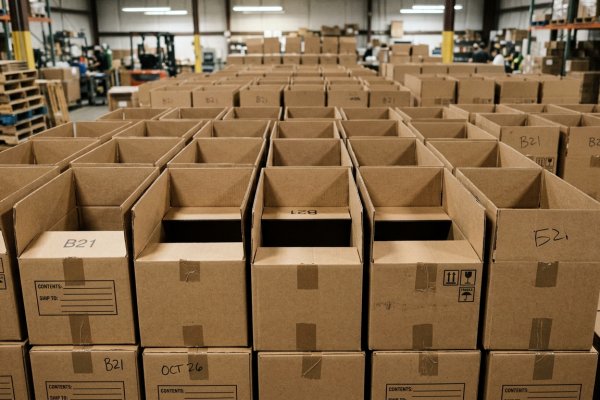
Palletisation represents the bridge between order picking and distribution, transforming individual picks into transportable units. This process is particularly significant in B2B fulfilment operations where orders frequently consist of multiple cases or cartons destined for retail outlets or wholesale customers.
The standard UK pallet measures 1200mm x 1000mm, conforming to European specifications that facilitate seamless international trade. However, the art of effective palletisation extends far beyond simply stacking boxes on wooden platforms. Professional UK 3PL providers understand the complexities involved in creating stable, transport-worthy pallet loads that maximise vehicle capacity whilst ensuring product integrity.
Palletisation Best Practices
Effective palletisation in Sheffield, Nottingham, and throughout UK warehouse operations requires adherence to several fundamental principles:
- Weight Distribution: Heavier items form the base layer with progressively lighter products stacked above, ensuring stability during transit
- Interlocking Patterns: Cartons are arranged in alternating patterns to create structural integrity and prevent collapse
- Height Restrictions: Pallet loads typically shouldn't exceed 1.8 metres to maintain safe handling and comply with transport regulations
- Securing Methods: Stretch wrapping, strapping, or shrink-wrapping protect loads and prevent movement during transportation
- Labelling Requirements: Clear identification labels facilitate efficient handling throughout the distribution chain
Businesses operating in regions like Nottingham benefit from proximity to major logistics corridors, enabling efficient distribution of palletised goods across the country. The city's connections to the A52, A453, and nearby M1 motorway make it particularly attractive for companies requiring rapid deployment of full pallet loads to regional and national destinations.
Packaging Considerations in Order Picking Operations
The relationship between order picking and packaging represents a crucial yet often overlooked aspect of fulfilment operations. Packaging serves multiple functions within the order picking process: it protects products, facilitates handling, provides information, and increasingly, reflects brand values and environmental commitments.
Within contract packing arrangements, specialist providers offer comprehensive solutions that integrate picking and packaging operations seamlessly. This integration proves particularly valuable for businesses experiencing seasonal demand fluctuations or those launching new products requiring specialised presentation.
Packaging Types in Modern Warehousing
Different products and customer requirements necessitate varied packaging approaches within order picking operations:
- Primary Packaging: The immediate product container, often determined by manufacturers but increasingly customised for specific distribution channels
- Secondary Packaging: Outer cartons or boxes that group primary packages for efficient handling and display
- Tertiary Packaging: Pallets, stretch wrap, and strapping that facilitate bulk transportation
- E-commerce Packaging: Specialised mailers, boxes, and protective materials designed for direct-to-consumer shipments
The rise of B2C fulfilment has dramatically transformed packaging requirements within order picking operations. Unlike traditional wholesale distribution where products remain in manufacturer packaging, consumer-direct fulfilment often requires bespoke packaging solutions that balance protection, presentation, and sustainability concerns.
Regional Strengths: Sheffield and Nottingham in UK Logistics
Sheffield's industrial heritage and strategic location have positioned it as a significant player in UK logistics and manufacturing. The city's traditionally strong manufacturing base has evolved to encompass sophisticated warehousing and distribution operations. Companies establishing operations in Sheffield benefit from a skilled workforce, competitive property costs compared to southern regions, and excellent connectivity to both northern and southern markets.
The availability of industrial space in Sheffield accommodates operations ranging from small-scale custom sendouts to large-scale automated warehousing. This diversity makes the region attractive to businesses across sectors including clothing, beauty products, and consumer goods.
Nottingham's credentials as a logistics hub are equally impressive. The city sits at the geographical heart of the UK, enabling distribution to major population centres within approximately four hours. This positioning has attracted significant investment in warehousing infrastructure, with modern facilities offering sophisticated technologies including warehouse management systems, automated storage and retrieval, and integrated data flow capabilities.
Transport Infrastructure Advantages
Both Sheffield and Nottingham offer exceptional transport connectivity that directly benefits order picking and fulfilment operations:
- Direct motorway access facilitating next-day delivery coverage across the UK
- Rail freight terminals supporting sustainable distribution alternatives
- Proximity to East Midlands Airport providing air freight options for urgent shipments
- Established networks of courier services and regional carriers
Technology Integration in Modern Order Picking
Contemporary UK 3PL fulfilment operations increasingly rely on sophisticated technologies to optimise order picking efficiency. Warehouse Management Systems (WMS) coordinate picking activities, directing operatives along optimal routes and ensuring accuracy through barcode scanning and verification processes.
Advanced operations implement voice-directed picking systems where operatives receive instructions through headsets, leaving hands free for product handling. Radio Frequency Identification (RFID) technology enables real-time stock traceability, particularly valuable for products requiring batch and expiry tracking such as food products and cosmetics.
The integration of e-commerce platforms with warehouse systems represents a critical capability for modern fulfilment providers. Whether supporting Fulfilled By Amazon operations or direct website sales through website fulfilment arrangements, seamless data connectivity ensures accurate order processing and real-time inventory visibility.
Optimising Order Picking for Different Business Models
The optimal order picking strategy varies considerably depending on business model, product characteristics, and customer expectations. Retailers supplying high-street stores through B2B fulfilment channels typically handle fewer, larger orders with standardised picking and palletisation processes. Conversely, direct-to-consumer operations process numerous small orders requiring different methodologies and packaging approaches.
Specialist sectors demand tailored approaches. QVC TV shopping operations, for instance, must accommodate dramatic order surges during broadcast periods, requiring flexible workforce arrangements and scalable picking systems. Similarly, Amazon FBM sellers must adhere to specific packaging and labelling requirements whilst maintaining competitive shipping timeframes.
Choosing the Right Fulfilment Partner
Businesses seeking order picking and fulfilment solutions should evaluate potential partners across several critical dimensions. Geographic location remains important, with providers in Leicester, Sheffield, Nottingham and other Midlands locations offering strong connectivity to national markets. However, location represents just one consideration amongst many.
Prospective clients should assess technological capabilities, ensuring providers offer appropriate systems integration and reporting functionality. The availability of value-added services such as contract packing, kitting, and returns processing can eliminate the need for multiple provider relationships, simplifying operations and improving coordination.
Pricing transparency matters significantly. Reputable providers offer clear pricing structures and realistic cost examples that enable accurate budgeting and comparison. Beware providers offering unrealistically low quotations that may conceal hidden charges or service limitations.
Key Selection Criteria
- Proven experience within your specific product category or business model
- Scalable operations capable of accommodating growth and seasonal fluctuations
- Robust quality control processes ensuring picking accuracy
- Comprehensive insurance coverage protecting your inventory investment
- Flexible shipping services accommodating various carrier preferences and service levels
- Transparent communication and accessible customer service
The Future of Order Picking in UK Fulfilment
The evolution of order picking continues apace, driven by technological advancement, changing consumer expectations, and sustainability imperatives. Automation increasingly supplements human picking operations, with collaborative robots working alongside operatives in progressive warehouses. These systems excel at repetitive tasks whilst human workers handle exceptions and complex requirements.
Sustainability considerations influence both palletisation and packaging choices, with businesses increasingly adopting recyclable materials, right-sizing packaging to eliminate waste, and optimising pallet loads to maximise transport efficiency. These initiatives reduce environmental impact whilst often delivering cost savings through material reduction and improved vehicle utilisation.
The ongoing maturation of fulfilment warehouse operations across regions including Sheffield, Nottingham, and the broader Midlands ensures UK businesses have access to world-class order picking capabilities. Whether supporting international brands, growing e-commerce retailers, or established wholesalers, professional fulfilment providers deliver the expertise, infrastructure, and technology necessary for competitive advantage in demanding markets.