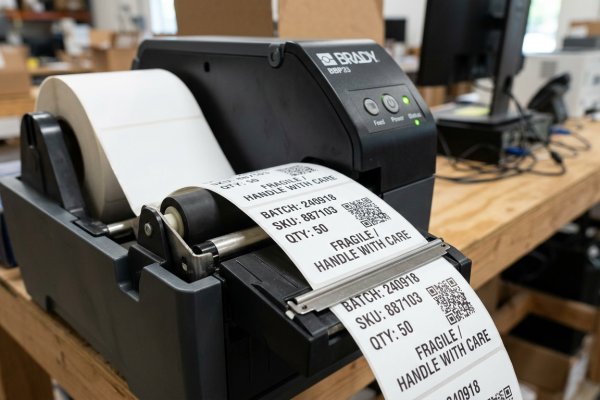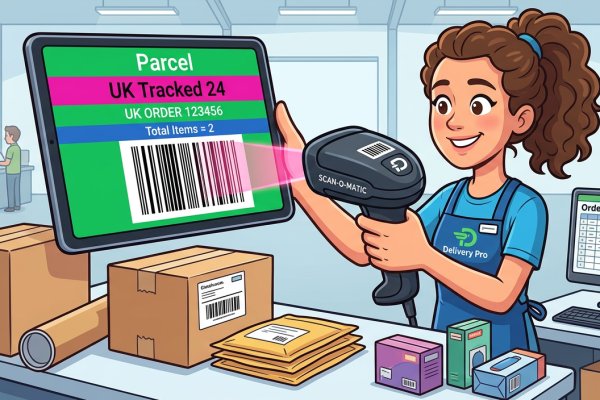
The evolution of e-commerce has transformed how businesses manage their operations, with Shopify API warehouse integration becoming a cornerstone of modern fulfilment strategies. As online retailers scale their operations, the seamless connection between their Shopify store and warehouse management systems has become not just beneficial, but essential for maintaining competitive advantage in today's fast-paced digital marketplace.
Understanding Shopify API Warehouse Integration
Shopify's Application Programming Interface (API) provides a powerful bridge between your online store and physical warehouse operations. This technological connection enables real-time data synchronization, automating the flow of information between your customer-facing storefront and backend logistics operations. For businesses operating across the UK, from Birmingham's bustling commercial districts to Leicester's growing logistics sector, this integration represents a fundamental shift in how inventory management is approached.
The API integration allows warehouse management systems to receive order information instantly when customers complete purchases, update inventory levels automatically, and provide tracking information back to the Shopify platform without manual intervention. This creates a seamless ecosystem where data flows freely, reducing errors and dramatically improving operational efficiency.
Transforming Inventory Management Through API Integration
Traditional inventory management relied heavily on manual data entry, periodic stock checks, and reactive responses to supply chain challenges. The integration of Shopify API with warehouse systems has revolutionized this approach, creating a proactive, data-driven methodology that benefits businesses of all sizes.
Real-Time Stock Visibility
One of the most significant advantages of Shopify API warehouse integration is real-time inventory visibility. When properly implemented, businesses can track every item across multiple locations, whether stored in a UK fulfilment center in Leicester or distributed across regional facilities serving Birmingham, Manchester, or London markets.
This visibility prevents common e-commerce pitfalls such as overselling, stockouts, and the dreaded customer disappointment when items show as available but aren't actually in stock. The system automatically updates product availability on your Shopify storefront as items are picked, packed, and shipped from the warehouse floor.
Automated Reorder Points
Smart inventory management systems connected via Shopify API can establish automated reorder points, triggering purchase orders or manufacturing requests when stock levels reach predetermined thresholds. This predictive approach ensures consistent product availability while minimizing excess inventory that ties up capital and warehouse space.
Birmingham and the Broader UK Fulfilment Landscape
Birmingham's strategic location in the heart of England makes it an attractive hub for businesses considering business to consumer fulfilment operations. The city's excellent transport links provide efficient distribution routes to major UK population centers, making it a focal point for companies evaluating their logistics strategy.
However, businesses need not limit their operational considerations to a single location. The beauty of Shopify API integration lies in its ability to manage inventory across multiple warehouse locations simultaneously. Whether your stock is held in Birmingham, distributed through a UK 3PL facility in Leicester, or split across several regional centers, the API provides unified oversight and control.
For businesses working with www.beckdaleshipping.co.uk, the Leicester-based operation demonstrates how location-agnostic technology can serve customers nationwide while maintaining centralized physical operations in strategically advantageous locations.
The Beckdale Price Calculator: Transparency in Fulfilment Costs
Understanding the financial implications of warehouse operations represents a critical component of business planning. The Beckdale Price Calculator addresses this need by providing transparent, detailed cost projections for fulfilment services integrated with Shopify platforms.
Breaking Down Fulfilment Economics
The calculator considers multiple cost factors that impact your bottom line:
- Storage fees based on cubic volume and duration
- Pick and pack costs varying by order complexity
- Shipping charges through multiple courier options
- Returns processing and restocking fees
- Special handling requirements for fragile, hazardous, or temperature-sensitive items
By inputting your specific business parameters—average order size, monthly volume, product dimensions, and shipping destinations—the calculator generates customized pricing scenarios. This transparency empowers businesses to make informed decisions about their B2B fulfilment and consumer-facing operations.
Scaling With Confidence
The calculator isn't merely a quotation tool; it's a strategic planning instrument. Businesses can model different growth scenarios, understanding how costs scale as order volumes increase. This visibility proves invaluable when presenting business cases to investors, planning seasonal campaigns, or evaluating the viability of new product lines.
Maximizing Efficiency Through Integrated Systems
Efficiency gains represent perhaps the most compelling argument for Shopify API warehouse integration. These improvements manifest across multiple operational dimensions, creating compounding benefits that transform business performance.
Order Processing Speed
Manual order processing creates bottlenecks that limit scalability. When orders must be manually entered into warehouse management systems, human error increases while processing capacity remains constrained by available labor hours. API integration eliminates these limitations, with orders flowing automatically from Shopify to warehouse systems within seconds of customer completion.
This acceleration proves particularly valuable during peak trading periods. Birmingham retailers preparing for seasonal rushes, or businesses nationwide handling promotional spikes, can process dramatically higher order volumes without proportional increases in administrative staffing.
Reduced Error Rates
Every manual data transfer introduces error risk. Transposition mistakes, incorrect quantities, wrong shipping addresses, and mismatched SKUs create costly problems requiring customer service intervention, returns processing, and potential customer loss. Automated data transfer through Shopify API virtually eliminates these transcription errors, improving accuracy rates to above 99.5% in well-implemented systems.
Labor Optimization
With administrative tasks automated, warehouse staff can focus on value-adding activities. Contract packing services, quality control, and process improvement initiatives receive the attention they deserve rather than being crowded out by data entry requirements.
Advanced Inventory Management Capabilities
Modern Shopify API integrations support sophisticated inventory management approaches that were previously accessible only to enterprise-level organizations.
Multi-Location Inventory
Businesses can maintain stock across multiple UK locations—perhaps bulk storage in Leicester facilities with fast-moving items distributed to regional fulfillment centers in Birmingham, Bristol, or Edinburgh—while presenting unified availability to customers. The system intelligently routes orders to the optimal fulfillment location based on customer proximity, stock levels, and shipping costs.
Batch and Expiry Tracking
For businesses handling products with expiry and batch numbers, particularly common in food, beauty, and pharmaceutical sectors, API integration enables sophisticated tracking. The system ensures first-expiry-first-out (FEFO) picking strategies, maintaining detailed records for regulatory compliance and product recall capabilities.
Comprehensive Stock Traceability
Complete stock traceability becomes achievable, with every item's journey documented from receipt through dispatch. This granular visibility supports quality assurance processes, identifies bottlenecks, and provides the data foundation for continuous improvement initiatives.
Integration Best Practices
Successful Shopify API warehouse integration requires thoughtful planning and execution. Consider these essential practices:
- Data quality assessment: Ensure product information, SKUs, and descriptions are consistent across systems before integration
- Testing protocols: Implement comprehensive testing using sandbox environments before going live
- Staff training: Ensure warehouse and customer service teams understand new workflows
- Contingency planning: Develop backup procedures for potential system interruptions
- Performance monitoring: Establish metrics to track integration effectiveness and identify optimization opportunities
Specialized Fulfilment Services Enhanced by API Integration
The flexibility of Shopify API integration supports diverse fulfillment requirements across various sectors. Whether managing beauty product distribution, handling clothing fulfilment, or coordinating food products storage, integrated systems adapt to specific industry needs.
Businesses selling through multiple channels benefit particularly from unified inventory management. Companies operating Shopify stores while also fulfilling Fulfilled By Amazon (FBA) orders or managing Amazon FBM operations can maintain consolidated inventory visibility across all platforms.
The Future of Integrated Warehouse Management
As technology continues evolving, Shopify API warehouse integration will become increasingly sophisticated. Artificial intelligence will predict demand patterns with greater accuracy, machine learning will optimize warehouse layouts dynamically, and IoT sensors will provide unprecedented operational visibility.
For businesses throughout the UK—from Birmingham's established commercial enterprises to innovative startups across Manchester, Bristol, and beyond—embracing website fulfilment technology today positions them advantageously for tomorrow's competitive landscape.
Conclusion
Shopify API warehouse integration represents a transformative approach to inventory management and fulfilment operations. By connecting your online storefront directly with warehouse systems, you eliminate inefficiencies, reduce errors, and create scalability that supports sustainable growth. Tools like the Beckdale Price Calculator provide the transparency needed to understand cost implications, while the efficiency gains deliver measurable improvements to customer satisfaction and operational profitability.
Whether you're an established business in Birmingham reconsidering your fulfilment strategy, or a growing company anywhere in the UK evaluating UK 3PL fulfilment options, the integration of Shopify with professional warehouse management systems offers compelling advantages that justify the implementation investment many times over.