For small businesses navigating the complexities of modern commerce, third-party logistics (3PL) services have become an essential component of sustainable growth. Whether you're shipping products from Manchester to London or managing a nationwide distribution network, understanding how 3PL solutions can transform your operations is crucial for staying competitive in today's fast-paced marketplace.
Understanding 3PL Services for Small Businesses
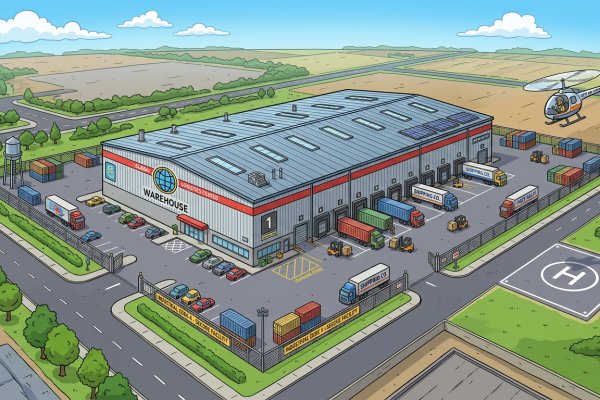
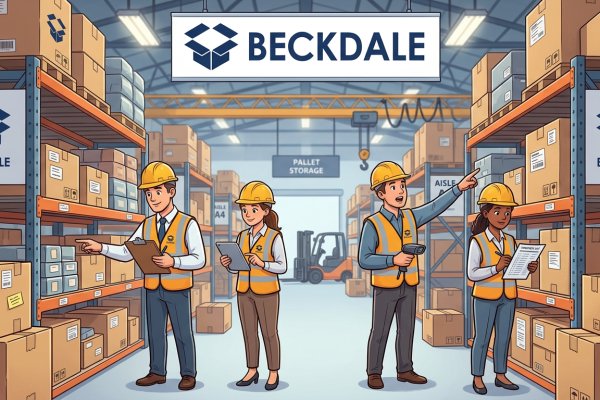
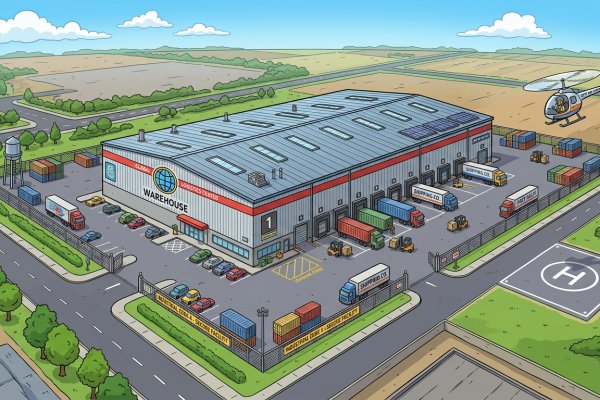
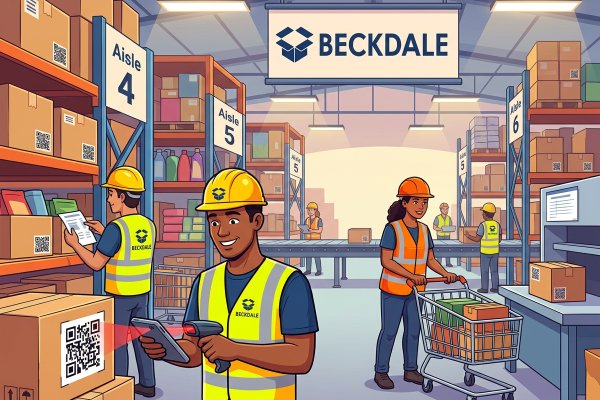
Third-party logistics providers offer comprehensive warehousing, fulfillment, and distribution services that allow small businesses to focus on their core competencies while leaving the complexities of logistics management to specialists. These partnerships have become increasingly valuable as customer expectations for fast, reliable delivery continue to rise across Birmingham, Leeds, and beyond.
For small business owners, the decision to partner with a 3PL provider represents more than just outsourcing shipping operations. It's a strategic choice that can fundamentally reshape how your business operates, scales, and serves customers. The right 3PL partnership provides access to sophisticated infrastructure, technology, and expertise that would otherwise require substantial capital investment.
The Core Benefits of 3PL Partnerships
Small businesses working with 3PL providers gain immediate access to several key advantages:
- Scalability: Flexible storage and fulfillment capacity that grows with your business
- Cost efficiency: Reduced overhead from warehousing, staffing, and equipment investments
- Geographic reach: Distribution capabilities across multiple regions without maintaining multiple facilities
- Technology access: Advanced inventory management and order tracking systems
- Expertise: Professional logistics knowledge and industry best practices
Understanding 3PL Cost Per Pallet Pricing Models
One of the most critical considerations when evaluating 3PL partnerships is understanding the cost structure, particularly the per-pallet pricing model that many providers use as a foundation for their services. This pricing approach offers transparency and predictability that small businesses need for accurate financial planning.
The cost per pallet typically ranges from £8 to £20 per week in the UK market, though this varies significantly based on several factors. These variables include the provider's location, the specific services included, storage duration, and volume commitments. A facility in Leicester might offer different rates compared to providers in Bristol or Glasgow, reflecting regional property costs and operational expenses.
What Influences Pallet Storage Costs
Understanding the factors that affect pallet pricing helps small businesses negotiate better terms and budget more accurately:
- Storage duration: Long-term storage typically commands lower weekly rates than short-term arrangements
- Pallet type and size: Standard pallets cost less than oversized or specialty configurations
- Accessibility requirements: Frequently accessed inventory may incur higher handling fees
- Special storage conditions: Temperature-controlled or hazardous material storage increases costs
- Volume commitments: Guaranteed minimum volumes often unlock preferential pricing
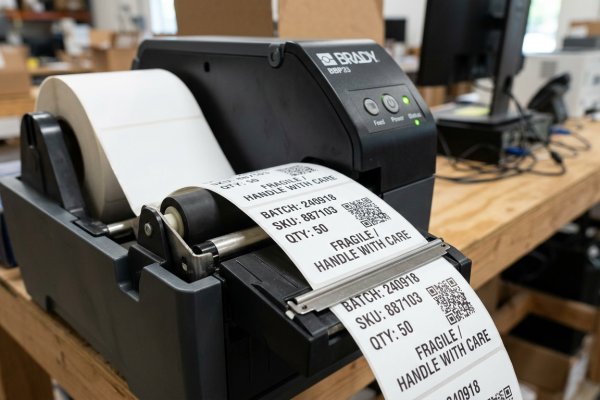
Beyond basic storage, small businesses must consider additional fees that 3PL providers charge for value-added services. These might include order picking, packing, labeling, returns processing, and special handling requirements. A comprehensive understanding of the complete fee structure prevents unexpected costs and enables accurate profit margin calculations.
The Critical Role of Technology Integration
In today's digital-first business environment, seamless technology integration between your e-commerce platform and your 3PL provider's systems represents a non-negotiable requirement. The ability to automatically transmit order information, track inventory in real-time, and provide customers with accurate shipping updates determines the efficiency and customer satisfaction levels your business can achieve.
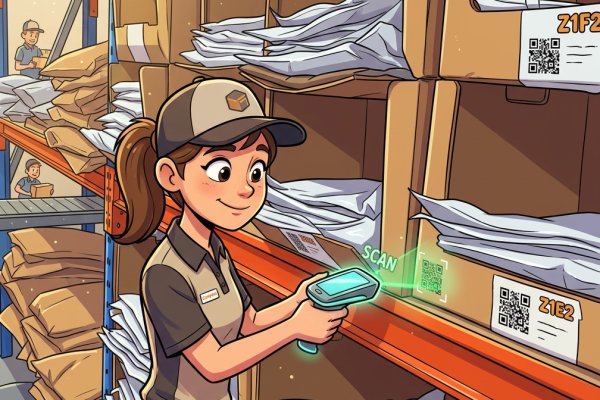
Modern 3PL providers invest heavily in warehouse management systems (WMS) and integration capabilities that connect with popular e-commerce platforms. This technological infrastructure eliminates manual data entry, reduces errors, and provides the visibility both you and your customers demand throughout the fulfillment process.
Key Integration Capabilities to Evaluate
When assessing 3PL technology capabilities, small businesses should prioritize these integration features:
- Real-time inventory synchronization: Automatic updates across all sales channels prevent overselling
- Automated order routing: Orders flow directly from your platform to the fulfillment queue
- Tracking information updates: Shipping details automatically post to customer accounts
- Returns management: Streamlined processing of returned merchandise
- Reporting and analytics: Comprehensive data on fulfillment performance and costs
Magento Integration with 3PL Services
For small businesses operating on Magento, one of the world's most powerful e-commerce platforms, integration with 3PL services offers particular advantages. Magento's flexibility and robust API capabilities make it an ideal platform for creating sophisticated fulfillment workflows that can rival those of much larger competitors.
Magento's architecture supports various integration methods, from pre-built extensions available in the Magento Marketplace to custom API integrations that www.beckdaleshipping.co.uk and other specialized providers can implement. These connections enable Magento stores to automatically transmit order details, inventory levels, and customer information to fulfillment centers, creating a seamless operational flow.
Implementing Magento 3PL Integration
The integration process typically follows these stages:
Assessment and Planning: Evaluate your specific Magento configuration, order volume, and unique fulfillment requirements. This phase identifies which integration method best suits your business model and technical capabilities.
Connection Establishment: Configure the technical connection between Magento and the 3PL's warehouse management system. This might involve installing extensions, configuring API credentials, or implementing middleware solutions that facilitate communication between platforms.
Data Mapping: Ensure that product information, order details, and customer data properly translate between systems. Proper field mapping prevents fulfillment errors and ensures customers receive exactly what they ordered.
Testing and Validation: Process test orders through the complete workflow to identify and resolve any issues before going live with actual customer orders.
Monitoring and Optimization: Continuously review integration performance and make adjustments to improve efficiency, reduce errors, and enhance customer experience.
Supply Chain Optimization Through 3PL Partnerships
The broader supply chain implications of working with a 3PL provider extend far beyond simple order fulfillment. Strategic 3PL partnerships transform your entire supply chain from a cost center into a competitive advantage, enabling service levels and efficiencies that would be difficult to achieve independently.
Small businesses partnering with 3PL providers gain access to established carrier relationships that command better shipping rates than individual small businesses could negotiate. These providers ship thousands of parcels daily across Edinburgh, Cardiff, and throughout the UK, creating volume-based leverage that translates into savings passed on to their clients.
Supply Chain Visibility and Control
Modern 3PL relationships provide unprecedented visibility into supply chain operations. Small businesses can track inventory levels, monitor order status, analyze shipping performance, and identify optimization opportunities through sophisticated reporting dashboards. This visibility enables data-driven decision-making that improves operational efficiency and customer satisfaction.
The supply chain resilience that 3PL partnerships provide has become particularly valuable in recent years. When disruptions occur—whether from weather events affecting Southampton ports, labor disputes impacting Nottingham distribution centers, or other unforeseen circumstances—experienced 3PL providers can quickly adapt, rerouting shipments and adjusting operations to minimize customer impact.
Choosing the Right 3PL Partner for Your Small Business
Selecting a 3PL provider represents a significant strategic decision that will influence your business operations for years to come. The evaluation process should consider multiple factors beyond simple cost comparisons.
Geographic considerations play a crucial role in fulfillment efficiency. A provider centrally located, such as in Leicester, can often provide excellent service across the entire UK with reasonable shipping times. However, businesses with concentrated customer bases in specific regions might benefit from providers with facilities closer to those markets.
Technology capabilities should match your current platform requirements while offering room for future growth. Ensure the provider supports your Magento installation or other e-commerce platforms you might migrate to in the future.
Service flexibility becomes increasingly important as your business evolves. Can the provider accommodate seasonal volume fluctuations? Do they offer value-added services like gift wrapping, custom packaging, or product assembly that might become important as you expand your product line?
Communication and support quality often determines whether a 3PL relationship succeeds or fails. Evaluate the provider's responsiveness, the accessibility of account management teams, and their willingness to collaborate on problem-solving when issues inevitably arise.
Making the Transition to 3PL Services
The practical process of transitioning to a 3PL provider requires careful planning and execution. Small businesses should begin the transition during relatively quiet periods when possible, allowing time to resolve any issues before peak seasons arrive.
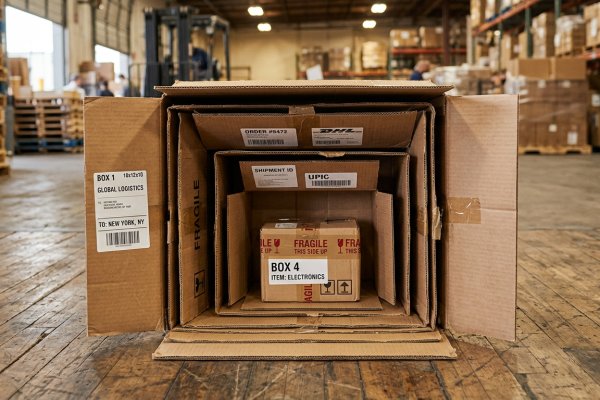
Inventory transfer represents one of the most critical phases. Create detailed manifests of products being shipped to the 3PL facility, including SKUs, quantities, and any special handling instructions. Many providers, including facilities like those at www.beckdaleshipping.co.uk in Leicester, offer receiving services that verify incoming inventory against your documentation, ensuring accuracy from day one.
Communication with customers during the transition helps manage expectations and prevents confusion. Some businesses notify customers that fulfillment operations are moving to improve service levels, while others make the transition transparently, ensuring customers experience no disruption in their ordering and receiving experience.
Conclusion: Strategic Growth Through 3PL Partnerships
For small businesses ready to scale operations, improve customer service, and optimize costs, third-party logistics partnerships offer compelling advantages. From transparent pallet pricing structures to sophisticated Magento integration capabilities and comprehensive supply chain management, modern 3PL services provide small businesses with enterprise-level logistics capabilities.
The investment in finding and partnering with the right 3PL provider pays dividends through improved operational efficiency, enhanced customer satisfaction, and the freedom to focus on core business activities that drive growth. As e-commerce continues evolving and customer expectations keep rising, the strategic value of professional 3PL partnerships will only increase for small businesses committed to long-term success.