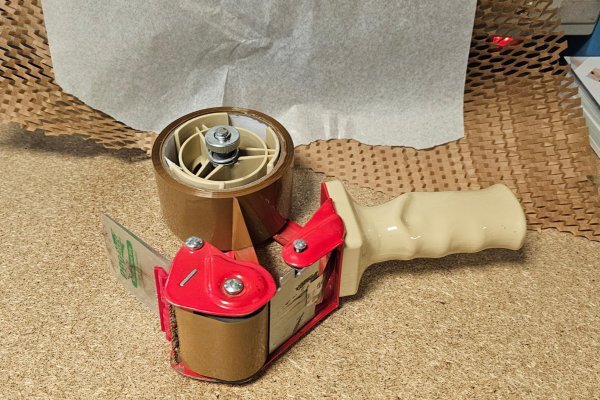
Packaging tape is an essential component in the shipping and logistics industry, serving to secure packages, provide branding opportunities, and ensure privacy and security during transit. The choice of tape—plain poly/paper, printed, or generic 3PL/courier branded—can significantly impact various aspects of packaging, including security, environmental considerations, cost, and user preference.
1. Security and Privacy
Plain Poly/Paper Tape:
-
Pros: Offers a neutral appearance, reducing the likelihood of theft or tampering during transit.
-
Cons: Lacks branding or tamper-evident features, which might not deter opportunistic theft.
Printed Tape:
-
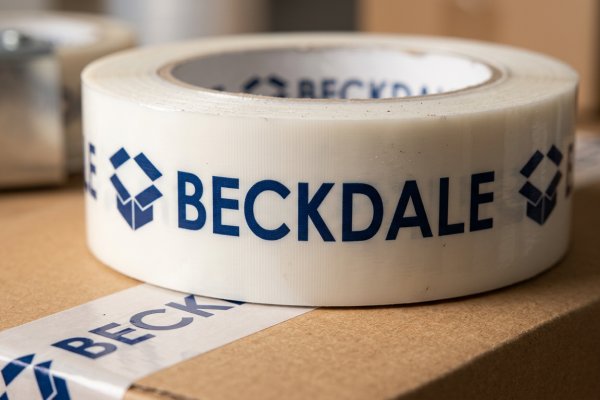
Pros: Can include branding, logos, or security messages, potentially deterring theft and providing clear identification of the sender.
-
Cons: If not tamper-evident, it may still be susceptible to unauthorized access.
Generic 3PL or Courier Branded Tape:
-
Pros: Features the courier's branding, which can deter theft and ensure packages are handled appropriately.
-
Cons: May not provide specific sender information, potentially leading to confusion if the package is misdirected.
2. Environmental Considerations
Plain Poly/Paper Tape:
-
Poly Tape: Typically made from polypropylene, which is not easily recyclable and contributes to plastic waste.
-
Paper Tape: Often made from kraft paper, which is recyclable and biodegradable, offering a more eco-friendly option.
Printed Tape:
-
Plastic-Based Printed Tape: Shares the same environmental concerns as plain poly tape, with challenges in recycling.
-
Paper-Based Printed Tape: If using water-based inks, it can be recyclable and biodegradable, aligning with sustainable practices.
Generic 3PL or Courier Branded Tape:
-
Environmental Impact: The environmental footprint depends on the materials used by the courier. Some may use recyclable materials, while others may not.
3. Cost Analysis
-
Plain Poly/Paper Tape: Generally, plain tapes are cost-effective, especially when purchased in bulk.
-
Printed Tape: Higher initial costs due to customization and printing processes.
-
Generic 3PL or Courier Branded Tape: Costs may vary; however, businesses often receive branded tape as part of their shipping agreements, potentially reducing costs.
4. Performance in Transit
-
Plain Poly/Paper Tape: Poly tape offers strong adhesion and durability, suitable for various environmental conditions.
-
Printed Tape: Performance depends on the base material; paper-based printed tapes may not perform as well in humid or cold conditions unless specifically designed.
-
Generic 3PL or Courier Branded Tape: Performance is contingent on the courier's standards; reputable couriers ensure high-quality tape that withstands transit conditions.
5. Recyclability
-
Plain Poly/Paper Tape: Paper tape is recyclable and biodegradable, making it a better choice for eco-conscious packaging.
-
Printed Tape: Recyclability depends on the materials and inks used; water-based inks on paper tapes enhance recyclability.
-
Generic 3PL or Courier Branded Tape: Varies based on the courier's tape material; some may be recyclable, while others may not be.
6. User Preferences
-
Plain Poly/Paper Tape: Preferred for its simplicity and cost-effectiveness.
-
Printed Tape: Favored by businesses for branding and professional presentation.
-
Generic 3PL or Courier Branded Tape: Preferred by businesses using specific couriers for consistency and brand alignment.
7. Strength and Durability
-
Plain Poly/Paper Tape: Poly tape is strong and durable, suitable for heavy-duty packaging.
-
Printed Tape: Strength varies; paper-based printed tapes may be less durable unless reinforced.
-
Generic 3PL or Courier Branded Tape: Typically strong, as couriers use high-quality materials to ensure package security.
8. Temperature and Humidity Resistance
-
Plain Poly/Paper Tape: Poly tape performs well in various temperatures and humidity levels.
-
Printed Tape: Paper-based printed tapes may be susceptible to environmental conditions unless specifically designed.
-
Generic 3PL or Courier Branded Tape: Designed to withstand diverse environmental conditions, ensuring package integrity.
9. Ease of Application
-
Plain Poly/Paper Tape: Easy to apply with standard dispensers; paper tape may require water activation.
-
Printed Tape: Application is similar to plain tape; however, paper-based printed tapes may require specific dispensers.
-
Generic 3PL or Courier Branded Tape: Designed for easy application, aligning with the courier's packaging standards.
10. Suitability for Restocking
-
Plain Poly/Paper Tape: Ideal for restocking due to its cost-effectiveness and availability.
-
Printed Tape: Less suitable for restocking unless branding is essential.
-
Generic 3PL or Courier Branded Tape: Suitable for businesses using specific couriers, ensuring consistency in packaging.
Conclusion
The choice between plain poly/paper packaging tape, printed tape, and generic 3PL or courier branded tape depends on various factors, including security needs, environmental considerations, cost constraints, and user preferences. Plain poly/paper tape offers simplicity and cost-effectiveness, while printed tape provides branding opportunities and potential security benefits. Generic 3PL or courier branded tape ensures consistency and reliability for businesses using specific couriers. Ultimately, businesses should assess their specific requirements to choose the most appropriate tape for their packaging needs.