In the world of e-commerce, logistics, and third-party fulfillment, packaging is often an overlooked but crucial element of operational efficiency and brand performance. While custom-printed packaging can seem appealing from a marketing standpoint, plain packaging offers significant advantages in terms of cost, flexibility, speed, and risk reduction. This document explores the many benefits of plain packaging, the challenges associated with printed packaging, and why a simpler approach can enhance customer satisfaction and streamline logistics.
1. The Appeal of Plain Packaging
Plain packaging refers to unbranded or minimally marked shipping boxes and materials, typically using neutral colors such as brown kraft or white. While it may appear basic compared to custom-printed boxes, plain packaging is favored by many successful businesses for practical reasons. The key benefits include faster fulfillment, lower costs, reduced stock management complexity, and increased adaptability in warehouse operations.
From an operational point of view, plain packaging aligns perfectly with efficiency. It allows warehouse teams or third-party logistics providers (3PLs) to select from a range of standardized box sizes, using whatever materials are immediately available. This ensures that orders can be dispatched quickly without waiting for specific branded packaging to arrive in stock.
2. The Risks of Using Printed Packaging
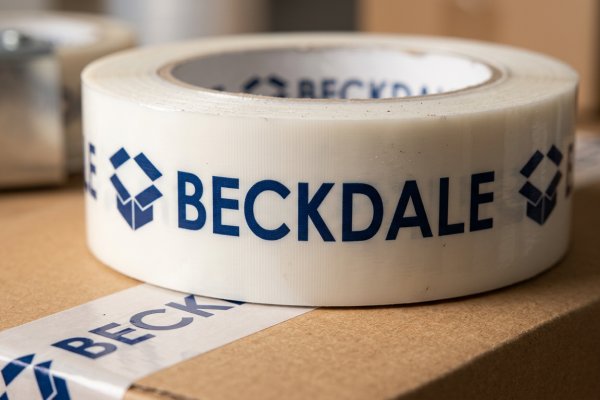
Although printed or branded packaging can enhance the unboxing experience, it carries several operational and security risks. One major concern is the visibility of printed names or logos on the outside of parcels. When a company’s name or branding is displayed prominently, it can unintentionally signal the contents or value of the shipment to passersby, couriers, or even opportunistic thieves.
For example, if a box clearly shows that it contains electronics, cosmetics, or premium goods, it may become an easy target for theft during transit or when left unattended. Plain packaging, on the other hand, offers a layer of discretion and protection — the parcel blends in with others, drawing less attention and reducing the chance of loss.
Another consideration is privacy for the recipient. When a courier is asked to leave a package in a “safe place” — such as a porch, garage, or neighbor’s house — branded packaging can inadvertently reveal what the parcel is, potentially spoiling surprises or breaching confidentiality. This becomes particularly relevant when customers are purchasing gifts for others in their household. A plain, unmarked box ensures that the nature of the contents remains private until the intended recipient opens it.
3. Why Packaging Appearance Shouldn’t Matter in Transit
During the shipping process, what matters most is durability, clarity of labeling, and speed of dispatch. The exterior of the box has little impact on the efficiency or reliability of transit itself. Couriers and postal services prioritize accurate addresses, proper labeling, and secure sealing — not how visually appealing or branded the packaging is.
For most consumers, the external packaging is merely a means of getting the product safely from warehouse to doorstep. The quality of the internal product and the customer’s experience upon opening the parcel are far more important than the logo on the box. Therefore, investing in sturdy plain packaging rather than printed alternatives provides the same functional result in transit, but at a lower cost and risk.
4. When Presentation Does Matter
There are, however, certain situations where presentation can play a role — such as when a package is gifted or delivered directly to a recipient’s home where others might see it. In these cases, plain packaging actually offers an advantage.
Imagine a customer ordering a gift for a family member and asking the courier to leave it in a “safe place” to avoid spoiling the surprise. If the box is covered in brand logos or product images, it may immediately reveal the nature of the gift. Plain packaging keeps the element of surprise intact, maintaining discretion until the recipient opens it.
Furthermore, many customers today value discreet packaging for personal items, subscriptions, or specialty products. Offering plain packaging as a default — or as an option — can help businesses respect their customers’ privacy and enhance their reputation for thoughtfulness and professionalism.
5. Cost and Efficiency Benefits of Plain Packaging
One of the most significant advantages of plain packaging lies in cost efficiency. Printed or custom-branded packaging introduces several added expenses and logistical challenges:
-
Higher production costs: Custom printing increases the per-unit cost of boxes and requires larger minimum order quantities.
-
Complex stock control: Different box designs or sizes must be managed individually, with separate stock-keeping units (SKUs). This adds administrative work and increases the risk of running out of a particular style or size.
-
Longer lead times: Printed packaging often requires advance ordering and coordination with printers or packaging suppliers. If stock runs low unexpectedly, replenishment can take weeks, leading to delays in fulfillment.
-
Supplier dependency: Once you commit to printed packaging, you are typically tied to one or two specific suppliers. Switching vendors or adjusting designs becomes costly and time-consuming.
In contrast, plain packaging is faster, cheaper, and more flexible. Boxes and mailers can be sourced from multiple suppliers at short notice, and your 3PL can use any available box that fits the product. This flexibility is especially valuable in peak seasons or when managing variable product sizes and order volumes.
Plain packaging also simplifies procurement and warehousing. Instead of juggling numerous custom designs, businesses can stock a straightforward range of plain boxes in standard sizes. This reduces storage requirements, minimizes the chance of errors, and ensures that packing teams always have the right materials available.
6. Operational Flexibility with 3PL Partners
For businesses that rely on third-party logistics (3PL) providers, plain packaging offers an additional layer of efficiency. A 3PL’s priority is to process and ship orders quickly and accurately. When they are restricted to using a specific branded box or packaging type, it limits their ability to adapt to stock shortages or sudden changes in product dimensions.
Plain packaging eliminates these restrictions. If a certain box size runs out, the 3PL can easily substitute another box without waiting for branded replacements. This ensures continuous fulfillment even during periods of high demand.
Moreover, using plain packaging makes it easier to scale operations or switch between fulfillment centers. Standardized, unbranded materials can be shared across sites or sourced locally, supporting business continuity and reducing reliance on a single supplier.
7. Environmental and Sustainability Considerations
Plain packaging is also generally more sustainable. It avoids the need for inks, dyes, and additional coatings used in custom-printed materials. This reduces the overall carbon footprint and simplifies recycling for customers. A plain kraft box is easy to dispose of responsibly, aligning with growing consumer preferences for minimal, eco-friendly packaging.
Furthermore, the ability to order smaller quantities or mixed sizes of plain boxes reduces waste. Businesses can more accurately match packaging to product size, minimizing excess materials and cutting shipping costs associated with oversized parcels.
8. Conclusion: A Practical, Cost-Effective Choice
While printed packaging may offer branding benefits in certain retail contexts, plain packaging remains the more practical choice for most fulfillment operations. It enhances flexibility, reduces cost, simplifies stock control, protects customer privacy, and speeds up order processing.
In today’s fast-moving e-commerce environment, where customer expectations for quick delivery and reliable service are higher than ever, plain packaging supports the operational agility that businesses need. It ensures that fulfillment teams — whether in-house or via 3PL partners — can focus on what truly matters: delivering products safely, quickly, and efficiently.
Plain packaging isn’t just about simplicity. It’s about smarter logistics, lower costs, and a better experience for everyone involved.