Understanding the Critical Role of Efficient Picking in Warehouse Operations
In the competitive landscape of modern logistics, efficient picking stands as the cornerstone of successful warehouse operations. Whether you're managing Amazon Fulfilled By Merchant (FBM) operations or running a comprehensive UK 3PL facility, the speed and accuracy of your picking processes directly impact customer satisfaction, operational costs, and overall profitability.
For businesses across Manchester, Birmingham, London, and Leicester, optimizing picking efficiency has become paramount as ecommerce continues its exponential growth. The ability to swiftly locate, retrieve, and prepare products for shipment can make the difference between thriving in today's fast-paced market or falling behind competitors.
The Financial Impact: How Picking Efficiency Affects 3PL Cost Per Pallet
When evaluating 3PL cost per pallet, many businesses focus solely on storage fees, overlooking the substantial impact that picking efficiency has on overall fulfilment expenses. The reality is that labour costs associated with picking can account for 50-60% of total warehouse operating expenses, making it the single largest controllable cost in most operations.
Breaking Down the Cost Structure
Understanding how picking efficiency influences your 3PL cost per pallet requires examining several key factors:
- Labour time: Each additional second spent locating or retrieving items multiplies across thousands of orders, significantly inflating costs
- Error rates: Inefficient picking systems increase mistakes, leading to returns, replacements, and damaged customer relationships
- Space utilization: Poor picking strategies often result in suboptimal warehouse layouts, reducing storage capacity and increasing per-pallet costs
- Equipment requirements: Inefficient processes may necessitate additional handling equipment, increasing capital expenditure and maintenance costs
Businesses partnering with a UK Fulfilment provider should carefully evaluate how their picking methodologies directly translate into cost savings. A well-optimized picking system can reduce the cost per pallet by 20-30% compared to traditional methods, representing substantial savings over time.
Core Picking Strategies for 3PL Ecommerce Fulfilment UK Operations
The United Kingdom's vibrant ecommerce sector demands picking strategies that balance speed, accuracy, and cost-effectiveness. For 3PL ecommerce fulfilment UK operations, several proven methodologies have emerged as industry standards:
Discrete Picking (Pick-to-Order)
This straightforward approach involves picking all items for a single order before moving to the next. While simple to implement, discrete picking works best for operations with low order volumes or highly specialized products requiring individual attention. Many beauty and premium product fulfilment operations utilize this method to ensure quality control.
Batch Picking
Batch picking involves collecting items for multiple orders simultaneously during a single warehouse pass. This method dramatically reduces travel time—often the most significant inefficiency in warehouse operations. For 3PL ecommerce fulfilment UK providers handling substantial volumes, batch picking can improve productivity by 30-50% compared to discrete methods.
The strategy proves particularly effective when combined with robust data flow systems that intelligently group orders with common SKUs, minimizing redundant movement through the warehouse.
Zone Picking
Zone picking assigns warehouse staff to specific areas, with each picker responsible only for items within their designated zone. This approach reduces congestion, allows pickers to develop intimate knowledge of their area, and significantly decreases travel time. For larger fulfilment warehouses operating across regions like Glasgow, Leeds, or Bristol, zone picking offers scalability while maintaining efficiency.
Wave Picking
Wave picking schedules picking activities in coordinated waves throughout the day, typically aligned with shipping cutoff times. This sophisticated approach combines elements of batch and zone picking, optimizing warehouse workflow while ensuring orders meet carrier deadlines. Operations handling both B2C and B2B fulfilment often find wave picking invaluable for managing diverse shipping requirements.
FBM Operations: Specialized Picking Considerations
For businesses utilizing Amazon FBM (Fulfilled By Merchant), picking efficiency takes on additional significance. Unlike FBA where Amazon handles fulfilment, FBM sellers maintain direct control over their inventory and shipping, making operational excellence critical to success.
Meeting Amazon's Performance Standards
Amazon enforces strict performance metrics for FBM sellers, including tight delivery windows and minimal error rates. Efficient picking systems ensure compliance with these standards while maintaining profitability. Key considerations include:
- Same-day picking capabilities: Amazon Prime customers expect rapid dispatch, necessitating picking systems that process orders within hours rather than days
- Accuracy requirements: Amazon's A-to-Z Guarantee means picking errors directly impact seller ratings and can result in account suspensions
- Scalability for peak periods: Prime Day, Black Friday, and holiday seasons demand picking systems that can scale rapidly without compromising accuracy
- Integration with courier services: Seamless coordination between picking completion and courier collection ensures timely dispatch
Many successful FBM sellers partner with specialized UK 3PL Fulfilment providers who understand Amazon's requirements and have implemented picking systems specifically optimized for marketplace performance.
Technology Integration: Elevating Picking Efficiency Through Innovation
Modern warehouse technology has revolutionized picking operations, transforming what was once a largely manual process into a data-driven, precision operation. For 3PL ecommerce fulfilment UK providers competing on tight margins, technology adoption isn't optional—it's essential.
Warehouse Management Systems (WMS)
Contemporary WMS platforms provide the foundation for efficient picking by optimizing pick paths, managing inventory locations, and directing warehouse staff through the most efficient routes. Advanced systems incorporate machine learning algorithms that continuously refine picking strategies based on historical data and real-time conditions.
Barcode and RFID Technology
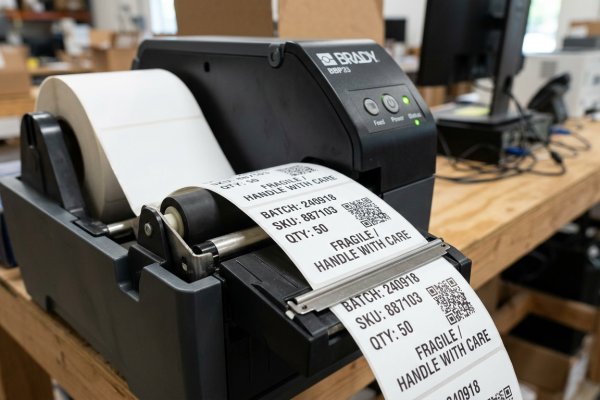
Implementing comprehensive stock traceability through barcode scanning or RFID technology virtually eliminates picking errors while providing valuable data on process efficiency. These systems prove particularly valuable for operations managing products with batch numbers and expiry dates, such as food products.
Pick-to-Light and Voice Picking
These hands-free technologies guide pickers to correct locations using visual or auditory cues, increasing speed while reducing errors. Operations in high-volume facilities across Southampton, Nottingham, and Leicester have reported productivity improvements of 25-35% after implementing these systems.
Layout Optimization: The Foundation of Efficient Picking
Even the most sophisticated picking strategies falter without proper warehouse layout optimization. Strategic product placement based on velocity analysis ensures fast-moving items occupy easily accessible locations, minimizing picker travel time.
ABC Analysis Implementation
This classification system categorizes inventory based on turnover frequency:
- A-items: High-velocity products (typically 20% of SKUs generating 80% of picks) positioned in prime locations
- B-items: Moderate-velocity products placed in secondary zones
- C-items: Slow-moving inventory stored in less accessible areas
Regular analysis and reslotting ensure the warehouse layout evolves with changing demand patterns, maintaining optimal efficiency year-round.
Measuring Success: Key Performance Indicators for Picking Operations
Continuous improvement requires robust measurement. Essential KPIs for evaluating picking efficiency include:
- Picks per hour: The fundamental productivity metric, benchmarked against industry standards
- Order accuracy rate: Percentage of orders picked correctly without errors
- Cost per pick: Total picking costs divided by number of picks, crucial for understanding true 3PL cost per pallet
- Average pick time: Time from order assignment to picking completion
- Travel distance per pick: Average distance covered per item retrieved
Leading UK Warehouse operations track these metrics daily, identifying trends and implementing corrective actions swiftly to maintain competitive advantage.
Specialized Considerations for Different Product Categories
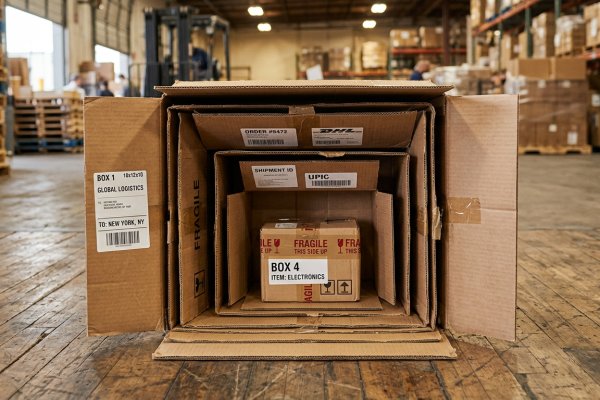
Picking strategies must adapt to product characteristics. Clothing fulfilment requires different approaches than contract packing operations handling bulk items. Similarly, fragile products demand gentler handling protocols that may slightly reduce speed but prevent costly damage.
For businesses managing diverse product portfolios, hybrid picking strategies often deliver optimal results, applying appropriate methodologies to different product categories within the same facility.
Looking Forward: The Future of Warehouse Picking
Automation continues advancing, with robotics and autonomous vehicles increasingly complementing human pickers. However, the human element remains irreplaceable for complex decision-making and handling irregular items. The most successful operations blend technology with skilled workforce development, creating hybrid systems that leverage the strengths of both.
For businesses evaluating 3PL ecommerce fulfilment UK options, understanding these picking strategies and their cost implications proves essential. Whether you're scaling an FBM operation or seeking to reduce overall logistics costs, partnering with providers who prioritize picking efficiency—like those operating from strategic locations including Leicester—delivers tangible competitive advantages in today's demanding marketplace.
By focusing on efficient picking methodologies, businesses can significantly reduce their 3PL cost per pallet while simultaneously improving delivery speed and accuracy—the dual imperatives of modern ecommerce success. For detailed cost analysis specific to your operation, explore pricing calculators and examples that demonstrate real-world applications of these efficiency principles.