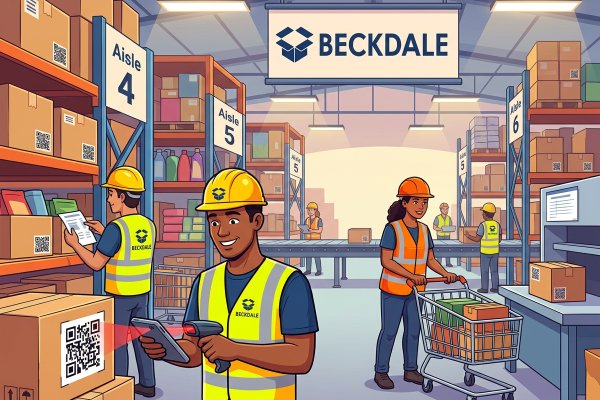
The Evolution of 3PL in the UK
The landscape of third-party logistics in the United Kingdom has undergone a remarkable transformation over the past decade. As e-commerce continues its exponential growth and consumer expectations reach unprecedented heights, UK 3PL providers are embracing innovation, automation, and transparency to meet the demands of modern commerce. This evolution encompasses everything from sophisticated haulier networks to cutting-edge warehouse automation, transparent pricing calculators, and specialized B2C fulfilment capabilities.
The Modern 3PL Landscape in the UK
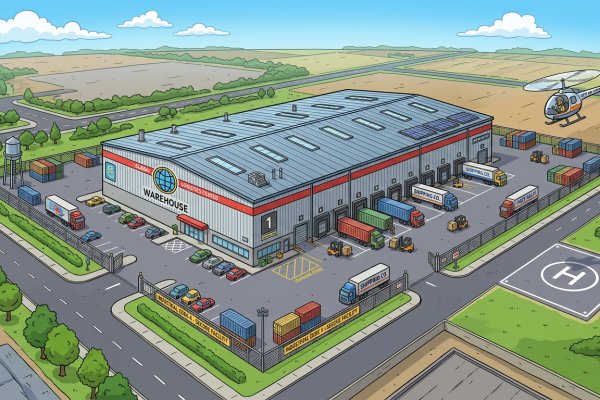
Third-party logistics providers have become the backbone of Britain's supply chain infrastructure. From major distribution hubs in Leicester to strategic locations across Manchester, Birmingham, and London, these fulfilment warehouses handle millions of transactions daily, ensuring products move seamlessly from manufacturers to end consumers.
The role of a UK 3PL fulfilment provider has expanded far beyond simple storage and shipping. Today's logistics partners offer comprehensive solutions that integrate with complex digital ecosystems, manage intricate stock traceability systems, and provide real-time visibility throughout the entire supply chain journey.
Haulier Partnerships: The Arteries of UK Logistics
At the heart of effective third-party logistics lies the relationship between 3PL providers and haulier networks. These partnerships form the critical infrastructure that keeps British commerce moving, connecting fulfilment centres with destinations nationwide and beyond.
The Strategic Importance of Haulier Networks
Professional hauliers provide the essential transportation backbone that 3PL operations depend upon. Whether moving palletised goods between distribution centres or coordinating long-haul container movements from ports to warehouses, these logistics specialists ensure reliable, scheduled movement of inventory across the country.
Modern shipping services require sophisticated coordination between multiple transport modes. A typical supply chain might involve container shipments arriving at Southampton or Felixstowe, followed by haulier-managed road transport to regional distribution centres in places like Nottingham or Leeds, before final-mile delivery through courier networks.
Optimizing Haulage for Efficiency and Sustainability
Leading 3PL providers in the UK are increasingly focusing on haulier optimization strategies that reduce costs whilst minimizing environmental impact. This includes:
- Route optimization software that identifies the most efficient delivery paths
- Load consolidation to maximize vehicle capacity utilization
- Multi-modal transport solutions combining road, rail, and sea freight
- Green fleet initiatives incorporating electric and hybrid vehicles
- Backhaul planning to eliminate empty return journeys
These initiatives not only reduce operational costs but also align with corporate sustainability goals that are increasingly important to both businesses and consumers across the UK.
Automation: Revolutionizing UK Fulfilment Operations
Perhaps no trend has impacted the 3PL sector more profoundly than the rise of warehouse automation. From Leicester to Liverpool, UK warehouses are implementing sophisticated technologies that dramatically improve efficiency, accuracy, and scalability.
The Spectrum of Warehouse Automation
Automation in fulfilment centres exists on a spectrum, from basic barcode scanning systems to fully autonomous robotic warehouses. Most UK fulfilment providers adopt a pragmatic approach, implementing technologies that deliver measurable returns on investment whilst maintaining operational flexibility.
Common automation technologies deployed across UK 3PL facilities include:
- Warehouse Management Systems (WMS) providing real-time inventory visibility and control
- Automated picking systems using pick-to-light and voice-directed technologies
- Conveyor networks for efficient goods movement within facilities
- Automated packing stations that optimize packaging materials and speed
- Robotic palletizers and depalletizers for efficient goods handling
- Automated storage and retrieval systems (AS/RS) maximizing vertical space utilization
- Autonomous mobile robots (AMRs) for intelligent goods-to-person workflows
Benefits of Automation for B2C Fulfilment
The impact of automation is particularly pronounced in B2C fulfilment operations, where high order volumes and demanding delivery expectations create unique operational challenges. Automated systems deliver several critical advantages:
Speed and throughput: Automated picking and packing systems can process orders significantly faster than manual operations, enabling same-day dispatch for orders received before cut-off times.
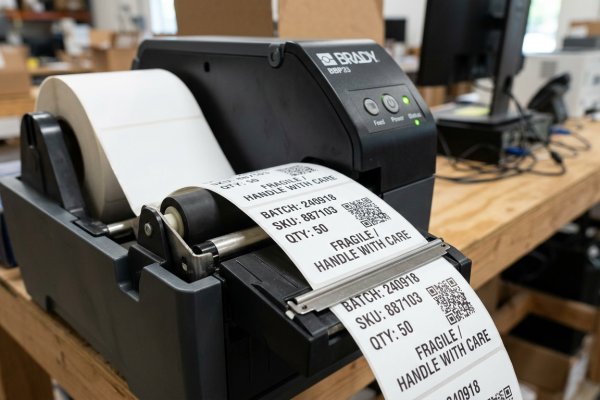
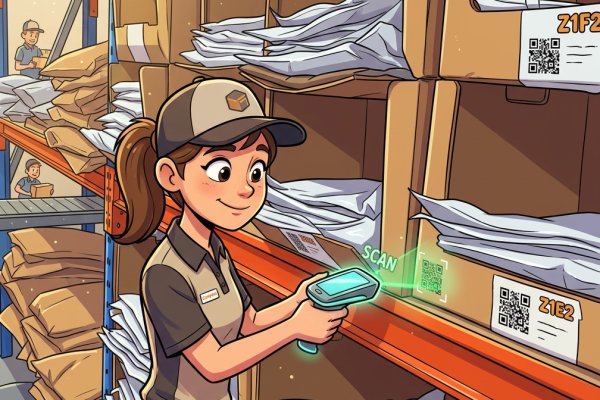
Accuracy: Barcode scanning and automated verification systems dramatically reduce picking errors, ensuring customers receive exactly what they ordered and minimizing costly returns.
Scalability: Automated systems handle peak demand periods such as Black Friday, Christmas, and promotional events without proportional increases in labour requirements.
Cost efficiency: Whilst initial investment is substantial, automation delivers long-term operational savings through reduced labour costs, improved space utilization, and decreased error rates.
Integration with Digital Commerce Platforms
Modern automation extends beyond physical warehouse operations into digital integration. Advanced API data integrations connect 3PL systems directly with e-commerce platforms, marketplaces, and enterprise resource planning (ERP) systems, creating seamless information flow throughout the entire order lifecycle.
This digital connectivity enables real-time stock synchronization across multiple sales channels, automatic order routing to fulfilment centres, and instant tracking updates that keep customers informed throughout the delivery journey.
Price Calculators: Transparency in 3PL Costs
One of the most significant developments in UK third-party logistics has been the movement toward pricing transparency. Traditional 3PL pricing models were often opaque, with complex fee structures that made cost comparison difficult for potential clients.
The Rise of Online Pricing Tools
Progressive 3PL providers now offer sophisticated pricing calculators that enable businesses to understand fulfilment costs before committing to partnerships. These tools typically factor in multiple cost components:
- Storage fees based on pallet or cubic metre requirements
- Order processing costs per transaction
- Picking fees per item or SKU complexity
- Packing charges including materials and labour
- Shipping costs through various courier services
- Additional services such as contract packing or custom kitting
Benefits of Transparent Pricing
For businesses exploring 3PL partnerships, transparent pricing calculators provide several advantages. They enable accurate financial forecasting, allow meaningful comparison between providers, and eliminate surprise charges that can erode profit margins.
Furthermore, understanding the cost structure helps businesses optimize their operations. For instance, a company might discover that consolidating SKUs or adjusting packaging dimensions could significantly reduce fulfilment costs.
Many providers also offer pricing examples that illustrate real-world scenarios, helping businesses understand how different order profiles, product types, and volumes impact overall costs.
B2C Fulfilment: Meeting Direct Consumer Expectations
The explosive growth of direct-to-consumer commerce has fundamentally reshaped the requirements for UK 3PL providers. Business-to-consumer fulfilment demands capabilities that differ significantly from traditional B2B fulfilment operations.
Unique Challenges of B2C Logistics
B2C operations must accommodate several distinctive characteristics that complicate logistics operations:
Order fragmentation: Unlike B2B shipments of multiple cases to single locations, B2C involves thousands of individual parcels destined for residential addresses across the country, from Edinburgh to Plymouth.
Delivery speed expectations: Modern consumers expect rapid fulfilment, with next-day delivery increasingly considered standard rather than premium service.
Returns management: Consumer returns rates can reach 30% or higher in categories such as clothing, requiring efficient reverse logistics processes.
Presentation standards: Direct-to-consumer shipments serve as brand ambassadors, requiring attention to packaging aesthetics alongside protective functionality.
Specialized B2C Capabilities
Successful website fulfilment requires specialized capabilities tailored to consumer expectations:
- Multi-carrier integration enabling optimal carrier selection based on destination, speed, and cost parameters
- Branded packaging options that enhance customer experience and reinforce brand identity
- Gift wrapping and personalization services for special occasions
- Flexible shipping options including weekend delivery and specific time windows
- Comprehensive tracking with proactive customer communications
- Efficient returns processing with quality control and inventory reintegration
Industry-Specific B2C Requirements
Different product categories present unique B2C fulfilment challenges. Beauty products often require climate-controlled storage and careful handling of glass containers. Food products demand rigorous batch and expiry management alongside temperature-appropriate environments.
Some businesses leverage specialized arrangements such as Fulfilled By Amazon (FBA) for marketplace orders whilst utilizing traditional 3PL for direct website sales, creating hybrid fulfilment models that optimize for different customer acquisition channels.
The Future of UK 3PL Services
Looking ahead, the UK third-party logistics sector will continue evolving in response to technological advancement and changing consumer behaviors. Artificial intelligence and machine learning will enable increasingly sophisticated demand forecasting, whilst continued automation will drive operational efficiencies.
Sustainability will become ever more central to 3PL operations, with businesses across Bristol, Glasgow, and beyond demanding logistics partners who can demonstrate genuine environmental credentials through carbon-neutral shipping options, sustainable packaging materials, and energy-efficient facilities.
The lines between B2C and B2B fulfilment will continue blurring as business buyers increasingly expect consumer-grade experiences including rapid delivery, easy returns, and comprehensive tracking visibility.
Conclusion
The transformation of UK third-party logistics represents one of the most dynamic evolutions in modern commerce. Through strategic haulier partnerships, transformative automation, transparent pricing mechanisms, and specialized B2C capabilities, today's UK fulfilment providers deliver sophisticated solutions that enable businesses to compete effectively in demanding markets.
For businesses evaluating logistics partnerships, understanding these evolving capabilities is essential. Whether you're a startup launching your first product or an established brand scaling operations, partnering with a forward-thinking 3PL provider equipped with modern automation, transparent pricing, and proven B2C expertise can provide the competitive advantage necessary to thrive in today's fast-paced commercial environment.
The future of UK logistics lies not just in moving boxes efficiently, but in creating intelligent, integrated supply chain ecosystems that deliver exceptional value throughout the entire customer journey, from initial order placement through final delivery and beyond.