3PL Solutions: Building Sustainable and Cost-Effective Supply Chains
In today's rapidly evolving business landscape, companies face mounting pressure to streamline operations, reduce costs, and embrace environmental responsibility. Third-party logistics (3PL) providers have emerged as essential partners in achieving these goals, offering sophisticated supply chain solutions that balance efficiency, affordability, and sustainability. As businesses across Manchester, Birmingham, London, and Leicester seek competitive advantages, understanding the transformative power of UK 3PL fulfilment becomes increasingly critical.
Understanding the Modern 3PL Landscape
Third-party logistics providers have evolved far beyond simple warehousing and transportation services. Today's 3PL partners function as comprehensive supply chain orchestrators, managing everything from inventory control and order fulfilment to returns processing and customer service integration. This evolution reflects the complex demands of modern commerce, where businesses must deliver exceptional customer experiences while maintaining lean operational costs.
The value proposition of working with a UK 3PL extends across multiple dimensions. Companies gain access to established infrastructure, experienced personnel, and sophisticated technology platforms without the capital investment required to build these capabilities internally. This arrangement proves particularly advantageous for growing businesses that need scalability without the burden of fixed overhead costs.
The Core Components of 3PL Services
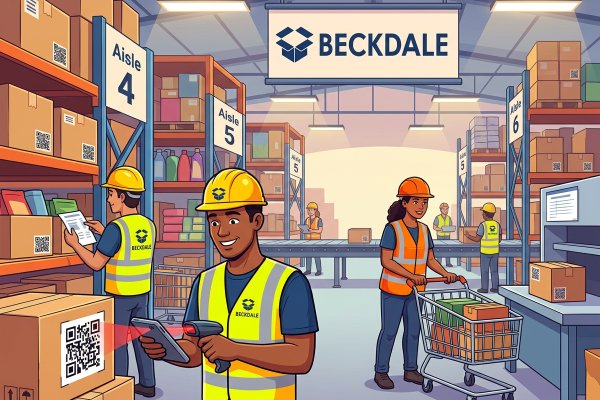
Professional UK warehouse fulfilment providers typically offer an integrated suite of services:
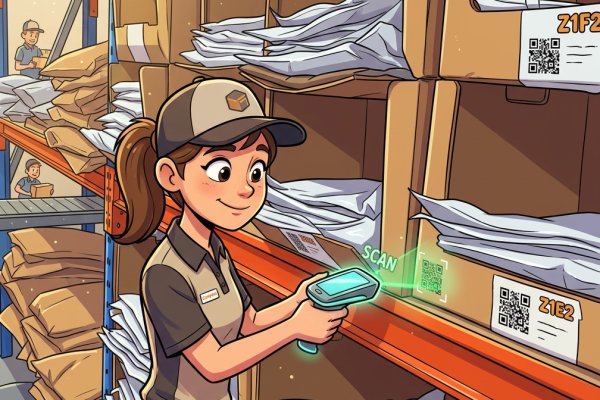
- Inventory management: Real-time stock tracking with advanced stock traceability systems
- Order processing: Efficient pick, pack, and ship operations across B2C and B2B fulfilment channels
- Transportation coordination: Multi-carrier shipping management and optimization
- Returns management: Streamlined reverse logistics processes
- Value-added services: Including contract packing, kitting, and customization
- Technology integration: Seamless data flow between systems
Cost Optimization Through Strategic 3PL Partnership
One of the most compelling reasons businesses turn to third-party logistics providers is the opportunity for significant cost reduction. However, achieving low-cost operations doesn't mean sacrificing quality or service levels. Instead, it requires strategic approaches that leverage economies of scale and operational excellence.
Shared Infrastructure and Resources
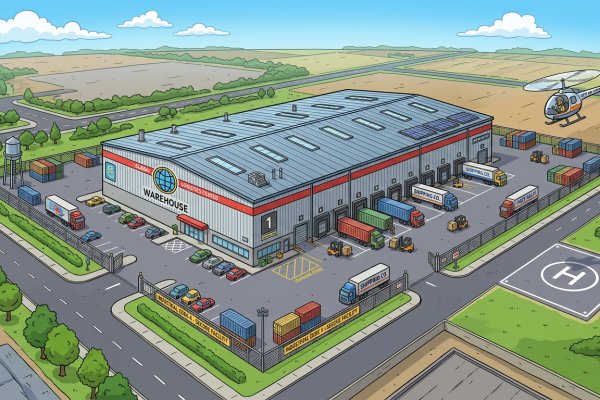
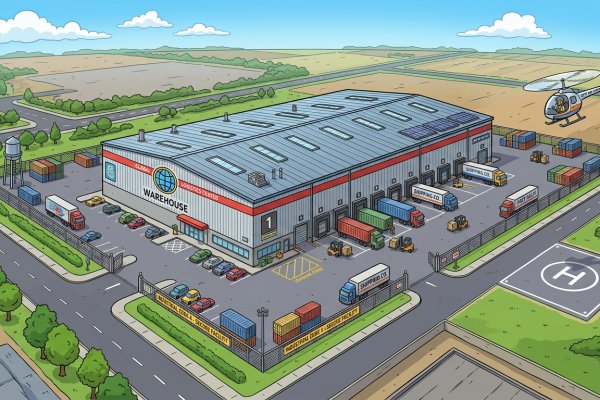
When multiple clients share warehouse facilities, equipment, and labor resources, the fixed costs distribute across a broader base. A fulfilment warehouse in Leicester, for instance, can serve dozens of businesses simultaneously, each paying only for the space and services they actually use. This model eliminates the need for businesses to invest in their own warehouse facilities, material handling equipment, and full-time logistics staff.
The shared resource model also provides natural scalability. During peak seasons, businesses can expand their storage footprint and processing capacity without long-term commitments. Conversely, during slower periods, they scale down without the burden of underutilized assets.
Transportation Cost Efficiencies
Leading courier services partnerships enable 3PL providers to negotiate preferential shipping rates that individual businesses cannot access independently. By consolidating shipments across multiple clients, providers achieve higher volumes that translate into substantial discounts from carriers.
Major carriers like DHL offer tiered pricing structures where volume directly impacts per-package costs. A 3PL provider shipping thousands of parcels daily across Bristol, Leeds, and Glasgow can secure rates that might be 30-50% lower than what a small business could negotiate independently. These savings transfer directly to clients, reducing one of the most significant expense categories in e-commerce operations.
Labor Efficiency and Expertise
Professional fulfilment operations benefit from specialized training, optimized workflows, and continuous process improvement. Rather than managing logistics as a secondary function, 3PL providers make it their core competency. This specialization translates into faster processing times, fewer errors, and lower per-unit handling costs.
Seasonal fluctuations that create staffing challenges for individual businesses become manageable within a 3PL environment. Providers maintain flexible labor pools and cross-train workers across multiple accounts, ensuring consistent productivity without the costs associated with hiring, training, and potentially laying off temporary workers.
Sustainability in Modern Supply Chain Operations
Environmental responsibility has transitioned from optional corporate social responsibility initiative to business imperative. Consumers increasingly favor brands demonstrating genuine commitment to sustainability, while regulatory frameworks across the UK mandate reduced carbon emissions and waste generation. Forward-thinking 3PL providers position themselves as partners in achieving these environmental objectives.
Green Warehousing Practices
Modern UK fulfilment centers incorporate numerous eco-friendly features that reduce environmental impact while often lowering operational costs:
- Energy-efficient lighting: LED systems with motion sensors reduce electricity consumption by up to 75%
- Solar installations: Warehouse rooftops provide ideal surfaces for renewable energy generation
- Insulation upgrades: Proper temperature control reduces heating and cooling requirements
- Water conservation: Rainwater harvesting and low-flow fixtures minimize water usage
- Waste reduction programs: Comprehensive recycling and composting initiatives
These investments in sustainable infrastructure benefit all clients utilizing the facility, distributing the costs while amplifying the environmental benefits through shared usage.
Packaging Innovation and Waste Reduction
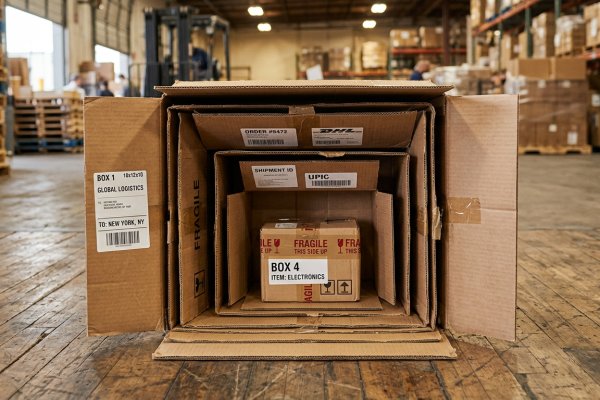
Packaging represents a significant environmental concern within logistics operations. Progressive 3PL providers work with clients to optimize packaging strategies that protect products while minimizing material usage and environmental impact. This includes right-sizing boxes to eliminate void fill, transitioning to recyclable or biodegradable materials, and implementing reusable packaging systems for B2B fulfilment operations.
Specialized services for sectors like beauty products, clothing, and food products require particular attention to packaging sustainability, as these industries face intense scrutiny regarding environmental practices.
Transportation Optimization
Vehicle emissions constitute one of the largest environmental impacts within logistics operations. Strategic 3PL providers implement multiple approaches to minimize transportation-related carbon footprints:
- Route optimization software: Advanced algorithms identify the most efficient delivery sequences, reducing miles driven and fuel consumed
- Load consolidation: Combining shipments to shared geographic areas maximizes vehicle utilization
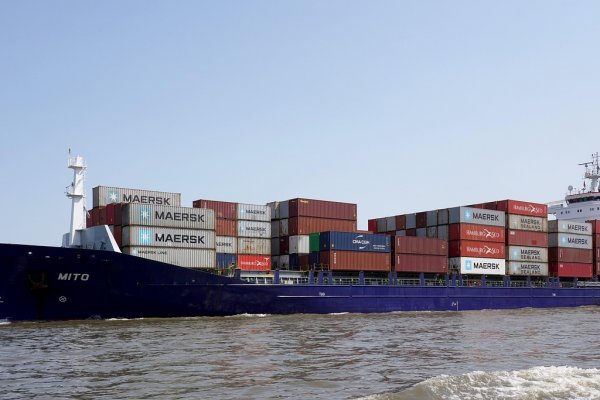
- Multi-modal transportation: Selecting appropriate transport methods based on urgency, distance, and environmental impact
- Alternative fuel vehicles: Transitioning fleets to electric, hybrid, or alternative fuel options
- Carrier partnerships: Working with environmentally conscious carriers committed to sustainability initiatives
The DHL Partnership Advantage
When discussing sustainable and cost-effective logistics solutions, DHL stands out as a global leader committed to both operational excellence and environmental stewardship. Their GoGreen program aims to achieve zero emissions logistics by 2050, with interim targets demonstrating measurable progress toward this ambitious goal.
DHL's Sustainability Initiatives
DHL invests heavily in sustainable transportation solutions, including electric vehicle fleets in urban areas across Edinburgh, Cardiff, and Southampton. Their city logistics programs utilize cargo bikes, electric vans, and consolidated delivery routes that significantly reduce emissions while maintaining service quality.
For businesses utilizing DHL courier services through their 3PL provider, these sustainability initiatives translate into reduced carbon footprints without requiring individual businesses to invest in green logistics infrastructure themselves.
Technology and Transparency
DHL's sophisticated tracking systems provide unprecedented visibility into shipment status, enabling better customer communication and reduced service inquiries. For 3PL clients, this transparency extends to carbon footprint reporting, allowing businesses to quantify and communicate their environmental impact to stakeholders and customers.
The integration between DHL's systems and 3PL platforms creates seamless information flow, supporting everything from FBA packing to Amazon FBM operations with real-time data exchange and automated documentation.
Selecting the Right 3PL Partner
With numerous providers operating across Nottingham, Sheffield, and throughout the UK, selecting the right UK 3PL fulfilment partner requires careful consideration of multiple factors beyond simple cost comparisons.
Technology Capabilities
Modern fulfilment demands sophisticated technology integration. Evaluate potential partners based on their warehouse management systems, API data integrations, and ability to provide real-time inventory visibility. The best providers offer seamless connections with e-commerce platforms, marketplaces, and enterprise resource planning systems.
Specialized Experience
Different product categories require specific expertise. Whether you need temperature-controlled storage for food products, compliant handling for beauty items with batch and expiry date tracking, or experience with specialized channels like QVC TV shopping, ensure your provider demonstrates relevant capabilities.
Scalability and Flexibility
Business growth and seasonal fluctuations require partners who can scale operations efficiently. Investigate their capacity management approaches, peak season performance history, and ability to support expansion into new markets or product lines.
Cost Transparency
Understanding the true cost of UK fulfilment services requires detailed breakdowns of all charges. Reputable providers offer transparent pricing calculators and pricing examples that help businesses accurately forecast logistics expenses and compare options effectively.
The Future of 3PL Operations
As supply chains continue evolving, 3PL providers will play increasingly strategic roles in business success. Emerging technologies like artificial intelligence, robotics, and blockchain promise further efficiency gains and cost reductions. Meanwhile, sustainability pressures will intensify, making green logistics capabilities essential rather than optional.
Businesses partnering with forward-thinking 3PL providers position themselves to benefit from these innovations without bearing the full investment burden. Whether supporting custom sendouts, managing complex shipping services, or handling specialized contract packing, the right partnership delivers competitive advantages that extend far beyond simple cost savings.
The convergence of low-cost operations, sustainable practices, and sophisticated supply chain management defines the modern 3PL value proposition. By carefully selecting partners who demonstrate expertise across these dimensions, businesses can focus on their core competencies while ensuring their logistics operations support both financial objectives and environmental responsibilities. In an increasingly competitive marketplace, this strategic approach to fulfilment and distribution may well determine which businesses thrive and which struggle to keep pace with evolving customer expectations and market demands.
For businesses based in Leicester or serving customers nationwide, understanding these 3PL dynamics creates opportunities to optimize operations, reduce costs, and build more sustainable supply chains that support long-term growth and customer satisfaction. The question isn't whether to engage a third-party logistics provider, but rather which partner offers the optimal combination of cost-effectiveness, sustainability commitment, and operational excellence for your specific business needs.