The Shocking Truth About 3PL UK Operations Revealed!
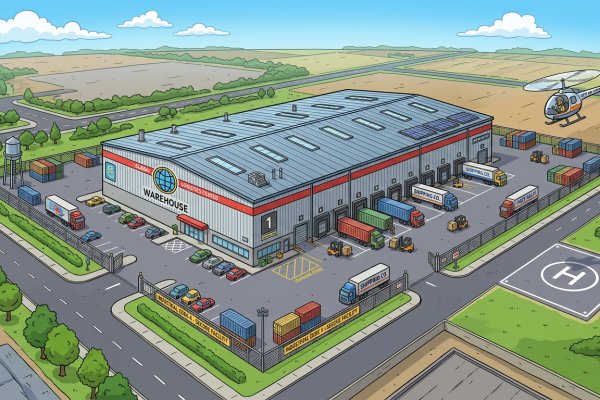
The third-party logistics industry in the United Kingdom has exploded over the past decade, transforming how businesses manage their supply chains. From small e-commerce startups to multinational corporations, companies across Britain are outsourcing their warehousing, fulfilment, and distribution needs to specialist 3PL providers. But beneath the glossy marketing promises and efficiency claims lies a complex reality that every business owner needs to understand before committing to a partnership.
Understanding the 3PL Landscape in the UK
Third-party logistics providers have become the backbone of modern commerce in the United Kingdom. These companies handle everything from inventory storage and order processing to picking, packing, and shipping products directly to customers. The industry has evolved dramatically, particularly as online shopping has surged and consumer expectations for rapid delivery have intensified.
What many business owners don't realize is that not all 3PL providers are created equal. The quality of service, attention to detail, and operational standards can vary wildly across the sector. Understanding these differences is crucial for protecting your brand reputation and ensuring customer satisfaction.
The Biggest 3PL Companies Dominating the UK Market
The UK logistics landscape is dominated by several major players, each bringing different strengths and specializations to the table. Understanding who these companies are and what they offer can help businesses make informed decisions about their fulfilment partners.
The Market Leaders
XPO Logistics stands as one of the giants in the UK 3PL space, offering comprehensive supply chain solutions across multiple sectors. Their extensive network covers major industrial hubs from London to Manchester, providing scalable solutions for businesses of all sizes.
DHL Supply Chain commands significant market share, leveraging their global infrastructure to provide integrated logistics services. Their strength lies in their international connectivity, making them particularly attractive for businesses with cross-border fulfilment needs.
Wincanton represents one of the largest British-owned logistics providers, with deep roots in the UK market and extensive expertise in sectors ranging from retail to construction. Their nationwide presence includes strategic locations in Birmingham, Bristol, and Glasgow.
Clipper Logistics has carved out a substantial niche in retail and e-commerce fulfilment, with sophisticated operations in Leeds and other key distribution centers. Their technology-driven approach appeals to modern online retailers seeking efficiency and accuracy.
The Mid-Tier and Specialist Providers
Beyond the giants, the UK market features numerous mid-sized and specialist 3PL providers that often deliver more personalized service. Companies like www.beckdaleshipping.co.uk, based in Leicester, exemplify how regional providers can offer competitive advantages through dedicated account management and flexible operational approaches.
These smaller operations frequently provide superior attention to detail and more customized solutions compared to their larger counterparts, who may treat smaller clients as less priority accounts.
Quality Control: The Make-or-Break Factor
Perhaps nothing matters more in 3PL operations than quality control, yet this remains the area where many providers fall disturbingly short. The consequences of poor quality control extend far beyond simple mistakes—they can destroy brand reputations and customer relationships built over years.
Common Quality Control Failures
Industry insiders reveal several recurring problems that plague 3PL operations across the UK:
- Inventory accuracy issues: Stock discrepancies between system records and physical inventory can lead to overselling or mysterious product disappearances
- Picking errors: Wrong items being selected for orders, resulting in customer dissatisfaction and costly returns
- Damage during handling: Inadequate training or rushed operations leading to product damage before items even leave the warehouse
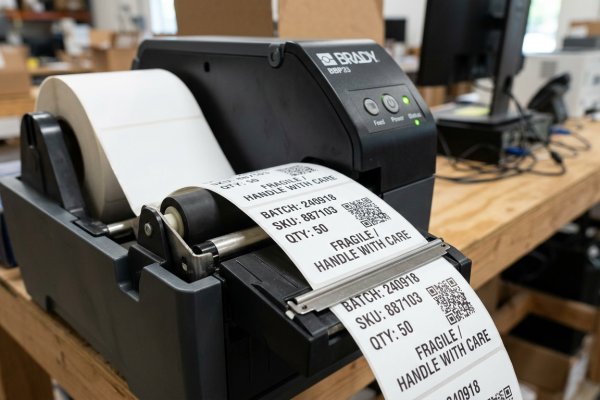
- Labeling mistakes: Incorrect shipping labels causing packages to be sent to wrong destinations
- Quality inspection gaps: Failure to identify damaged or defective stock before dispatch
What Proper Quality Control Should Look Like
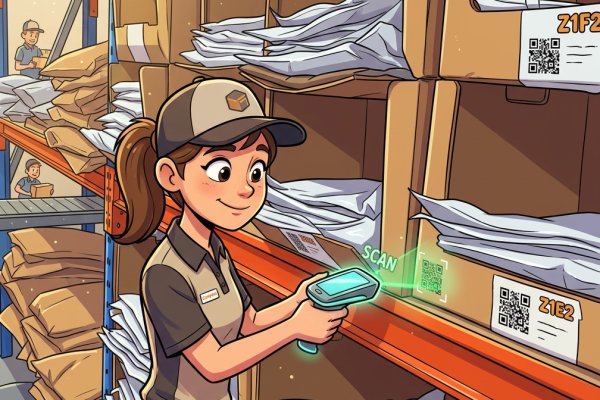
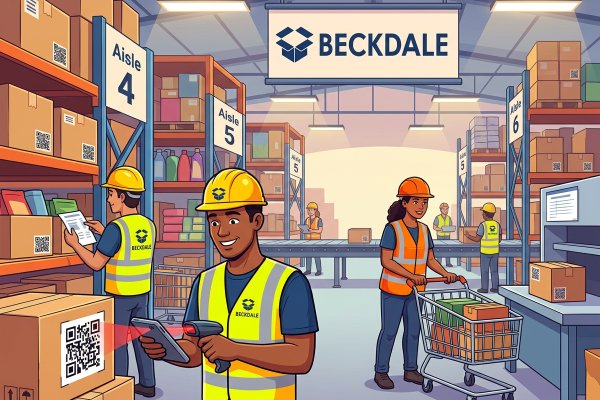
Leading 3PL providers implement multi-stage verification processes that catch errors before they reach customers. This includes barcode scanning at every touch point, random quality audits, photographic evidence of package contents, and automated weight verification systems that flag discrepancies.
Forward-thinking providers have also adopted continuous improvement methodologies, regularly analyzing error patterns and implementing corrective measures. They understand that quality control isn't just about preventing mistakes—it's about building systems that make errors virtually impossible.
Packaging: More Critical Than You Think
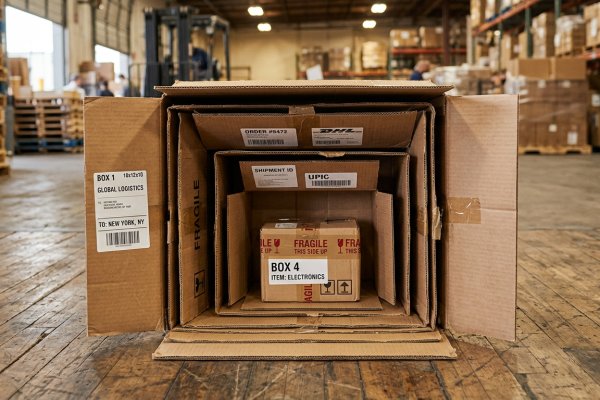
Packaging represents another area where 3PL performance varies dramatically, yet its importance cannot be overstated. The packaging serves as the final touchpoint between your brand and your customer—it's literally the first physical impression they receive.
The Packaging Paradox
Many 3PL providers view packaging as merely functional—a means to protect products during transit. However, packaging is actually a crucial brand experience element that influences customer perception, repeat purchase likelihood, and social media shareability.
The challenge is that proper packaging requires investment in materials, training, and time—resources that cost-focused 3PLs may be reluctant to allocate. This creates tension between efficiency metrics and quality outcomes.
Packaging Considerations for Different Products
Different product categories demand specialized packaging approaches:
- Fragile items: Require adequate cushioning, orientation indicators, and appropriate box sizing to prevent movement
- Fashion and apparel: Benefit from branded packaging that enhances the unboxing experience
- Food and beverages: Need temperature-appropriate materials and contamination prevention measures
- Electronics: Demand anti-static materials and precise fitting to prevent shock damage
- Cosmetics and beauty products: Require leak-proof packaging and careful handling to maintain presentation quality
Sustainable Packaging Pressures
The push toward environmental sustainability has added another dimension to packaging decisions. Consumers increasingly expect eco-friendly materials, minimal waste, and recyclable components. Progressive 3PL providers have responded by offering biodegradable void fill, recyclable mailers, and right-sized packaging options that reduce material waste.
Operations like those at www.beckdaleshipping.co.uk in Leicester have adapted their packaging protocols to balance protection, presentation, and environmental responsibility—demonstrating that these objectives need not be mutually exclusive.
DPD and Last-Mile Delivery Partnerships
The relationship between 3PL providers and carriers like DPD represents a critical component of the fulfilment ecosystem. DPD has established itself as one of the UK's most prominent parcel delivery networks, known for precise delivery predictions and customer-friendly policies.
Why 3PLs Partner with DPD
DPD's strengths align well with modern e-commerce requirements. Their one-hour delivery windows and follow-my-parcel tracking provide the transparency that online shoppers demand. For 3PL providers, partnering with DPD offers several advantages:
- Comprehensive UK coverage reaching virtually every postcode
- Sophisticated tracking technology that reduces "where's my order" inquiries
- Flexible delivery options including Pickup points for customer convenience
- Carbon-neutral delivery options appealing to environmentally conscious consumers
- Competitive pricing structures that improve margins
The Integration Challenge
However, working with DPD or any major carrier requires seamless technical integration between the 3PL's warehouse management system and the carrier's platform. Poor integration can result in tracking gaps, delayed collection times, and labeling errors that undermine the entire fulfilment process.
The most capable 3PL providers maintain direct API connections with multiple carriers, allowing them to select the optimal service based on destination, speed requirements, and cost considerations for each individual shipment.
Making the Right 3PL Choice for Your Business
Selecting a 3PL partner requires looking beyond marketing claims to evaluate actual operational capabilities. Here's what businesses across the UK—from Edinburgh to Southampton—should prioritize:
Due Diligence Essentials
- Request facility tours: See operations firsthand to evaluate cleanliness, organization, and technology implementation
- Review quality control procedures: Ask specific questions about error rates, verification processes, and continuous improvement initiatives
- Examine packaging options: Ensure the provider can accommodate your brand requirements and product protection needs
- Verify carrier relationships: Confirm they work with reputable carriers like DPD and can offer competitive shipping rates
- Check references: Speak with current clients in similar industries to learn about real-world performance
- Understand scalability: Ensure the provider can handle growth and seasonal volume fluctuations
- Clarify communication protocols: Establish expectations for reporting, issue resolution, and ongoing account management
The Future of 3PL in the UK
The third-party logistics sector continues evolving rapidly. Automation and robotics are transforming warehouse operations, artificial intelligence is optimizing inventory management, and sustainability pressures are reshaping packaging and transportation strategies.
For businesses navigating this complex landscape, the key is finding a 3PL partner that balances technological capability with human attention to detail—providers who understand that behind every order is a customer whose experience will determine your brand's future.
The shocking truth about UK 3PL operations is that variability remains enormous. While some providers deliver exceptional service that enhances brand value, others cut corners in ways that ultimately cost clients far more than they save. By understanding quality control realities, evaluating packaging approaches, considering carrier partnerships like those with DPD, and conducting thorough due diligence, businesses can identify 3PL partners worthy of their trust and their customers' expectations.