The logistics and shipping industry stands at a critical crossroads, where traditional practices meet the urgent demand for environmental responsibility. As businesses across the United Kingdom increasingly prioritize sustainability, forward-thinking companies are reimagining how goods move from point A to point B. In the heart of England's industrial Midlands, innovative logistics providers are setting new standards for excellence, combining operational efficiency with environmental stewardship.
The Evolution of Modern Logistics in the Midlands
The Midlands region, encompassing major cities like Birmingham and Sheffield, has long served as Britain's industrial heartland. This geographic advantage positions logistics companies at the nexus of crucial transportation networks, enabling efficient distribution across the entire country. Birmingham's central location and Sheffield's strong manufacturing heritage create a perfect ecosystem for logistics innovation.
Today's logistics landscape demands more than just moving packages efficiently. Companies must balance speed, cost-effectiveness, customer satisfaction, and increasingly, environmental impact. The most successful operators understand that sustainable practices aren't just ethical choices—they're strategic business imperatives that drive long-term profitability and customer loyalty.
Best Practices in Contemporary Shipping Operations
Excellence in logistics stems from meticulous attention to detail across every operational aspect. Industry leaders implement comprehensive best practices that optimize efficiency while minimizing waste and environmental impact.
Warehouse Management and Organization
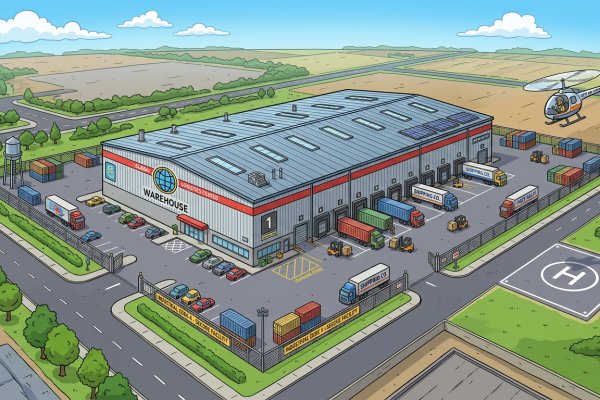
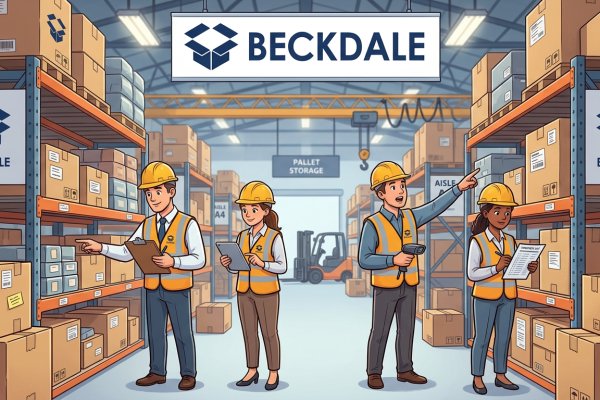
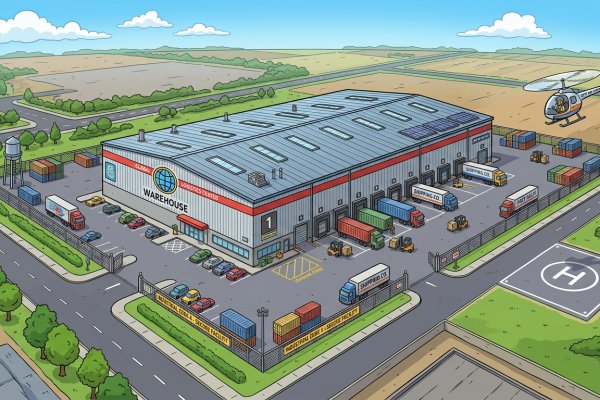
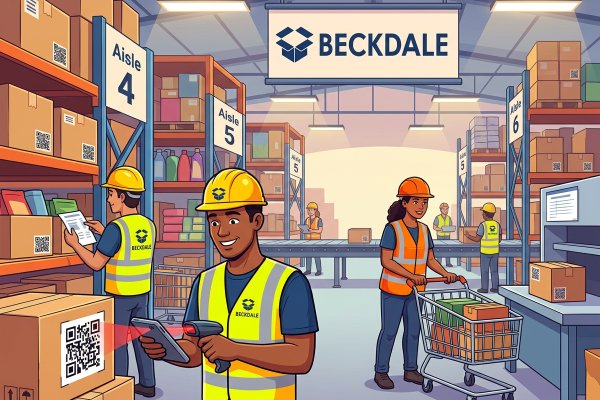
Effective warehouse management forms the foundation of successful logistics operations. Modern facilities employ sophisticated inventory tracking systems that provide real-time visibility into stock levels, locations, and movement patterns. This transparency enables:
- Reduced handling times: Strategic product placement minimizes unnecessary movement
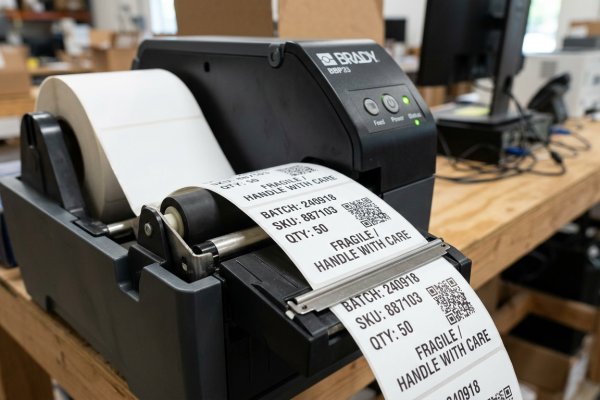
- Improved accuracy: Barcode scanning and RFID technology virtually eliminate picking errors
- Space optimization: Data-driven layout designs maximize storage capacity
- Enhanced safety: Clear protocols protect both personnel and inventory
Transportation Route Optimization
Smart routing represents one of the most impactful areas for operational improvement. Advanced logistics software analyzes multiple variables—traffic patterns, delivery windows, vehicle capacity, and fuel consumption—to determine optimal routes. This technology-driven approach reduces miles traveled, cuts fuel costs, and ensures reliable delivery times.
Companies serving the Birmingham and Sheffield corridors particularly benefit from route optimization, as these densely populated areas require careful navigation to avoid congestion while maintaining delivery speed.
Quality Control and Customer Communication
Maintaining consistent quality standards requires systematic inspection protocols and clear communication channels. Best-in-class operators implement:
- Regular audits of handling procedures
- Temperature and condition monitoring for sensitive goods
- Proactive customer notifications about shipment status
- Transparent problem resolution processes
- Continuous staff training programs
Sustainability: The New Competitive Advantage
Environmental sustainability has transitioned from optional consideration to essential business practice. Forward-thinking logistics companies recognize that sustainable operations benefit both the planet and the bottom line, creating competitive advantages that resonate with increasingly eco-conscious customers.
Fleet Modernization and Alternative Fuels
Transportation accounts for the largest portion of logistics-related carbon emissions. Progressive companies are addressing this through strategic fleet upgrades, incorporating electric vehicles, hybrid technology, and alternative fuel options. While the initial investment can be substantial, the long-term benefits include reduced fuel costs, lower maintenance expenses, and enhanced brand reputation.
In urban environments like Birmingham and Sheffield, electric delivery vehicles offer additional advantages, including access to low-emission zones and reduced noise pollution—critical factors for maintaining good community relations.
Packaging Innovation and Waste Reduction
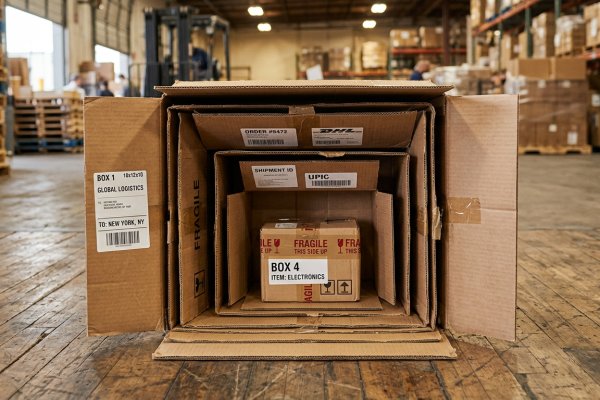
Sustainable packaging represents another crucial area for environmental improvement. Leading logistics providers work closely with clients to develop packaging solutions that protect goods while minimizing material usage. This includes:
- Right-sizing packaging: Eliminating excess materials reduces both costs and waste
- Recyclable and biodegradable materials: Choosing sustainable alternatives to traditional plastics
- Reusable container programs: Implementing systems for returning and refilling packaging
- Efficient void fill: Using eco-friendly materials to protect products during transit
Energy-Efficient Facilities
Modern warehouses incorporate numerous features to reduce energy consumption. Solar panels, LED lighting, motion sensors, improved insulation, and smart climate control systems significantly decrease facility energy demands. These investments typically show positive returns within several years while demonstrating corporate commitment to environmental responsibility.
The Birmingham Advantage for Logistics Operations
Birmingham's position as Britain's second-largest city provides unique advantages for logistics operations. The city's extensive motorway network, including the M6, M5, and M42, facilitates rapid access to markets nationwide. www.beckdaleshipping.co.uk and other logistics providers benefit from this connectivity, enabling efficient distribution to virtually any UK destination.
The city's ongoing infrastructure investments, including HS2 rail connections and Birmingham Airport expansion, further enhance its logistics capabilities. Additionally, Birmingham's diverse economy creates demand for varied logistics services, from manufacturing supply chains to retail distribution networks.
Sheffield's Manufacturing Heritage Meets Modern Logistics
Sheffield's industrial legacy provides a different but equally valuable foundation for logistics excellence. The city's strong manufacturing sector requires sophisticated supply chain support, driving innovation in warehouse management, inventory control, and just-in-time delivery systems.
Sheffield's proximity to major northern markets and its connections to the M1 motorway corridor position it ideally for serving Yorkshire, the Northeast, and beyond. Companies operating in Sheffield often develop specialized expertise in handling industrial goods, precision components, and manufacturing supplies.
Technology Integration for Operational Excellence
Modern logistics success depends heavily on technology integration. The most effective operators leverage sophisticated software platforms that connect every aspect of their operations:
- Warehouse Management Systems (WMS): Coordinating inventory, picking, and dispatch
- Transportation Management Systems (TMS): Optimizing routes and managing carrier relationships
- Customer Portals: Providing real-time visibility into shipment status
- Data Analytics: Identifying improvement opportunities and predicting demand patterns
- Automated Handling Equipment: Increasing throughput while reducing labor costs
These technologies enable logistics providers to offer clients unprecedented visibility and control over their supply chains, fostering stronger partnerships built on trust and transparency.
Building Partnerships for Long-Term Success
The most successful logistics relationships extend beyond transactional service provision to become true partnerships. Effective logistics providers invest time understanding each client's unique needs, challenges, and goals. This collaborative approach enables customized solutions that address specific requirements while identifying opportunities for continuous improvement.
Regular performance reviews, open communication channels, and proactive problem-solving create partnerships that adapt and grow alongside client businesses. When logistics providers view themselves as extensions of their clients' teams, everyone benefits from aligned incentives and shared success.
The Future of Sustainable Logistics
Looking ahead, the logistics industry faces both challenges and opportunities. Climate change concerns will continue driving demand for sustainable practices, while technological advances will enable ever-greater operational efficiencies. Companies that embrace these trends will thrive, while those clinging to outdated practices will struggle to compete.
Emerging technologies like autonomous vehicles, drone delivery, and artificial intelligence promise to revolutionize logistics operations. However, the fundamental principles of excellent service—reliability, communication, flexibility, and integrity—will remain constant. The most successful companies will be those that balance innovation with proven best practices, technology with human expertise, and efficiency with environmental responsibility.
Conclusion: Excellence Through Integration
The modern logistics landscape requires companies to excel across multiple dimensions simultaneously. Operational efficiency, customer service, technological sophistication, and environmental sustainability must all align to create truly excellent service. Companies operating in strategic locations like Birmingham and Sheffield enjoy geographic advantages, but success ultimately depends on how effectively they implement best practices and embrace sustainable operations.
As businesses increasingly recognize logistics as a strategic differentiator rather than a necessary expense, the companies providing these services must continually evolve. Those that invest in sustainable practices, leverage technology effectively, and maintain unwavering commitment to operational excellence will shape the future of British logistics. By serving as responsible stewards of both their clients' goods and the environment, logistics providers can demonstrate that profitability and sustainability aren't opposing forces—they're complementary objectives that drive lasting success.
The journey toward sustainable, efficient logistics continues, with each innovation and improvement bringing the industry closer to its full potential. Companies that view this evolution not as burden but as opportunity position themselves for long-term prosperity in an increasingly competitive and environmentally conscious marketplace.