The landscape of Direct-to-Consumer (D2C) retail has undergone a seismic shift in recent years, and nowhere is this more evident than in Manchester's thriving commercial districts. As brands increasingly bypass traditional retail channels to sell directly to customers, they're discovering that success hinges on three critical factors: sophisticated import management, seamless technology integration, and partnership with the right UK 3PL fulfilment provider.
The Manchester D2C Phenomenon: A Northern Powerhouse Story
Manchester has emerged as a unexpected hub for D2C innovation, with hundreds of brands choosing the city as their operational base. From fashion startups in the Northern Quarter to beauty brands in Ancoats, the city's entrepreneurial spirit has created a perfect storm of e-commerce activity. However, behind the Instagram-perfect product launches and viral marketing campaigns lies a complex logistical reality that many brands discover too late.
The city's D2C brands face a unique set of challenges that differ significantly from their London counterparts. With product sourcing increasingly global and customer expectations at an all-time high, Manchester-based businesses are finding that their choice of third-party logistics partner can make or break their operation.
Why Geography Still Matters in Digital Commerce
Despite the digital nature of D2C commerce, physical location remains critically important. Manchester's position in the North West provides excellent access to major ports, yet many brands find themselves struggling with the "last mile" of their import journey—getting products from port to customer efficiently and cost-effectively.
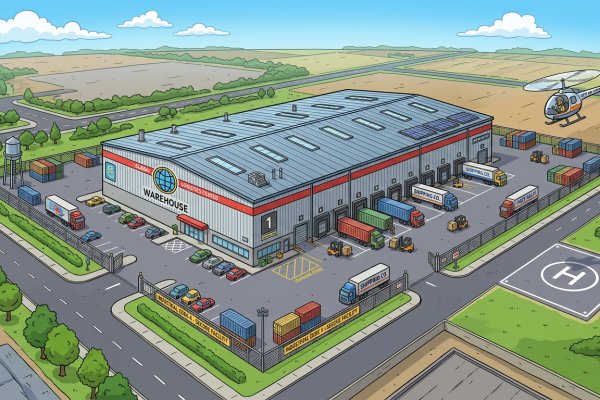
While Manchester offers cultural and talent advantages, brands are increasingly discovering that working with a UK fulfilment partner based in Leicester—situated in the heart of England's logistics corridor—provides superior access to nationwide distribution networks and shipping services.
The Import Challenge: From Container to Customer
For D2C brands, particularly those sourcing products from Asia or Europe, the import process represents one of the most significant operational hurdles. The romantic notion of "ordering products from China and selling them online" quickly evaporates when faced with the reality of customs clearance, duty management, and container logistics.
Common Import Pitfalls for D2C Brands
- Underestimating lead times: Many Manchester brands plan for 30-day shipping windows, only to face 60-90 day realities
- Customs complications: Post-Brexit regulations have added layers of complexity that catch unprepared businesses off-guard
- Poor inventory forecasting: Ordering too much ties up capital; too little leads to stockouts and lost sales
- Container destination decisions: Where your goods land can significantly impact your overall logistics costs
- Documentation disasters: Incorrect paperwork can result in costly delays and storage fees at ports
A UK warehouse partner experienced in import management can navigate these challenges, but integration is key. Your 3PL needs to be informed about incoming shipments well in advance, with complete documentation and accurate inventory counts.
The True Cost of Import Mismanagement
Consider the Manchester beauty brand that ordered 10,000 units of face cream from South Korea, expecting to launch in time for Christmas. Customs issues delayed the shipment by three weeks, meaning products arrived on December 23rd. Without proper integration with their fulfilment partner, the brand couldn't process and ship orders in time for the holiday rush, resulting in over £50,000 in lost revenue and damaged customer relationships.
This scenario plays out repeatedly across D2C brands that fail to appreciate the interconnected nature of imports and fulfilment. Your 3PL provider isn't just a warehouse—they're a critical partner in your entire supply chain strategy.
Integration: The Make-or-Break Factor
The word "integration" gets thrown around frequently in e-commerce circles, but for D2C brands working with imports and 3PLs, it represents the difference between operational excellence and constant firefighting.
What True Integration Actually Means
Integration extends far beyond simply connecting your Shopify store to your warehouse. For Manchester D2C brands dealing with international suppliers, effective integration encompasses:
- Supply chain visibility: Real-time tracking from factory to customer doorstep
- Automated inventory updates: Stock levels that reflect inbound shipments, not just current warehouse contents
- Customs and compliance data flow: Seamless information sharing that prevents clearance delays
- Financial integration: Landed cost calculations that inform pricing strategies
- Multi-channel synchronization: Whether selling on your website, Amazon, or marketplace platforms
The most sophisticated B2C fulfilment operations leverage API data integrations that create a single source of truth across all systems. This isn't merely convenient—it's essential for brands operating on thin margins with high customer expectations.
The Integration Evolution
Early-stage D2C brands in Manchester often start with basic integrations—perhaps a simple connection between their website and a fulfilment warehouse. As they scale, however, the limitations become apparent. Orders get missed, inventory becomes inaccurate, and customer service queries multiply.
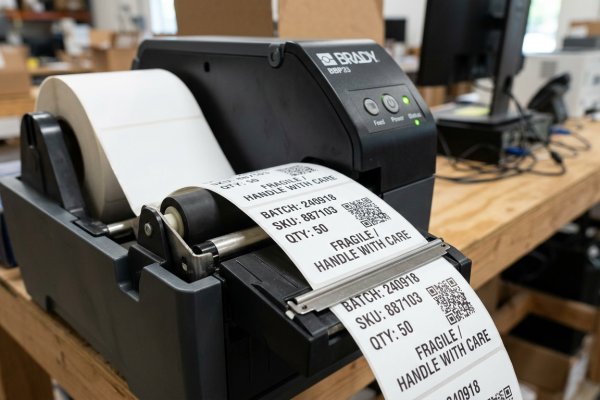
Mature D2C operations recognize that investment in robust integration infrastructure pays dividends through reduced errors, faster order processing, and the ability to scale without proportionally increasing overhead. This is particularly crucial for brands dealing with products that require stock traceability or batch and expiry date management.
The 3PL Selection Process: What Manchester Brands Get Wrong
When Manchester entrepreneurs begin searching for a 3PL partner, they often make decisions based on incomplete criteria. Proximity feels important—surely a Manchester-based warehouse makes sense for a Manchester-based brand? However, this thinking overlooks several critical factors.
Beyond Location: The Real 3PL Selection Criteria
Smart D2C brands evaluate potential UK 3PL partners on these dimensions:
- Import experience: Has the provider managed similar product categories from your source countries?
- Technology capabilities: What integration options do they offer, and how flexible are they?
- Scalability: Can they handle your Black Friday volumes as easily as your Tuesday afternoon trickle?
- Specialist expertise: Do they understand the specific requirements of your product category, whether that's beauty products, clothing, or food items?
- Value-added services: Can they handle contract packing, returns processing, and custom sendouts?
- Distribution efficiency: How quickly and cost-effectively can they reach your entire customer base?
For many Manchester brands, partnering with a Leicester-based provider like www.beckdaleshipping.co.uk offers superior logistics connectivity while maintaining the flexibility and responsiveness of a specialized operation.
D2C Success Stories: Learning from Those Who Got It Right
Several Manchester D2C brands have cracked the code on import management and 3PL integration, providing valuable lessons for others on the same journey.
Case Study: Fashion Forward
A Manchester-based sustainable fashion brand importing organic cotton garments from India faced constant stockout issues in their first year. By implementing proper integration between their supplier, freight forwarder, and website fulfilment partner, they achieved 99.2% order accuracy and reduced their average delivery time by three days.
The key? Establishing predictive inventory management that accounted for the 45-day lead time from order placement to warehouse receipt, allowing them to trigger reorders before running out of stock.
The Beauty Brand That Scaled Smart
Another Manchester success story involves a skincare brand that initially fulfilled orders from their apartment. As they scaled to 500+ orders daily, they recognized the need for professional D2C fulfilment. Rather than rushing into the first available warehouse, they spent three months evaluating providers based on integration capabilities and experience with temperature-sensitive beauty products.
Their thorough selection process paid off when they successfully navigated a product recall, with their 3PL partner able to quickly identify and quarantine affected batches thanks to robust traceability systems.
The Future of D2C Logistics in the North West
As Manchester continues to evolve as a D2C hub, the sophistication of logistics operations must keep pace. Brands that treat fulfilment as an afterthought will struggle to compete against those who recognize it as a core competency.
The next generation of successful D2C brands will be those that:
- Build supply chain resilience through diversified sourcing and flexible fulfilment partnerships
- Invest in integration technology that provides end-to-end visibility
- Choose 3PL partners based on capability rather than proximity
- Understand that import management begins long before products arrive at the port
- Recognize that customer experience is directly tied to fulfilment performance
Taking Action: Your D2C Logistics Roadmap
For Manchester entrepreneurs reading this and recognizing gaps in their current operation, here's your action plan:
- Audit your current integration: Map every point where data should flow between systems and identify breaks in the chain
- Calculate your true import costs: Include customs, storage, transport, and the cost of capital tied up in inventory
- Evaluate your 3PL relationship: Are they a passive warehouse or an active partner in your success?
- Use the pricing calculator to understand realistic fulfilment costs
- Review pricing examples from similar operations
- Plan for peak: Your fulfilment infrastructure should handle your busiest day, not your average day
The D2C revolution has democratized retail, allowing Manchester brands to compete on a global stage. However, success in this new landscape requires operational excellence that matches your marketing prowess. By mastering imports, embracing integration, and partnering with the right UK 3PL fulfilment provider, your brand can deliver the seamless customer experience that turns first-time buyers into lifelong advocates.
The question isn't whether you can afford to invest in sophisticated logistics—it's whether you can afford not to.