Low Cost Fulfilment: The Hidden Truth Exposed!
In today's fiercely competitive e-commerce landscape, businesses across the UK—from Bristol to Birmingham and beyond—are constantly seeking ways to reduce operational costs without compromising service quality. The fulfilment industry has responded with increasingly competitive pricing structures, but this raises a critical question: can low cost fulfilment truly deliver the quality your customers expect?
The answer might surprise you. While the phrase "low cost" often conjures images of corner-cutting and compromised standards, the reality of modern UK fulfilment services tells a dramatically different story—one where efficiency, technology, and strategic location combine to deliver exceptional value.
Understanding the Low Cost Fulfilment Revolution
The fulfilment industry has undergone a transformation over the past decade. What once required massive capital investment and extensive infrastructure can now be achieved through smart partnerships with specialized UK 3PL providers who have perfected the art of cost-effective operations.
What Defines "Low Cost" in Modern Fulfilment?
Low cost fulfilment doesn't mean cheap or substandard service. Instead, it represents a sophisticated approach to warehouse operations that eliminates waste, optimizes processes, and passes savings directly to clients. Key characteristics include:
- Scalable pricing structures that grow with your business without punitive minimum fees
- Technology-driven efficiency reducing manual labour costs while improving accuracy
- Strategic location advantages minimizing postage costs across the UK network
- Shared resource models spreading fixed costs across multiple clients
- Automated quality control systems catching errors before they become costly problems
The Critical Role of Quality Control in Budget Fulfilment
Perhaps the most significant concern businesses express when considering low cost fulfilment options centres on quality control. After all, a single incorrect shipment can cost far more in customer dissatisfaction than any savings achieved through reduced fulfilment fees.
Multi-Layer Quality Assurance Systems
Modern UK warehouse operations have developed sophisticated quality control protocols that rival—and often exceed—those of more expensive alternatives. These systems typically include:
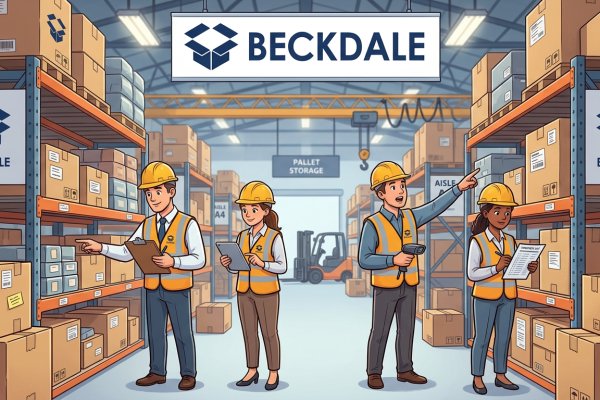
Receiving Quality Checks: Every product entering the warehouse undergoes inspection to verify quantity, condition, and specification accuracy. This initial checkpoint prevents contaminated or damaged stock from entering inventory systems, protecting both warehouse operations and end customers.
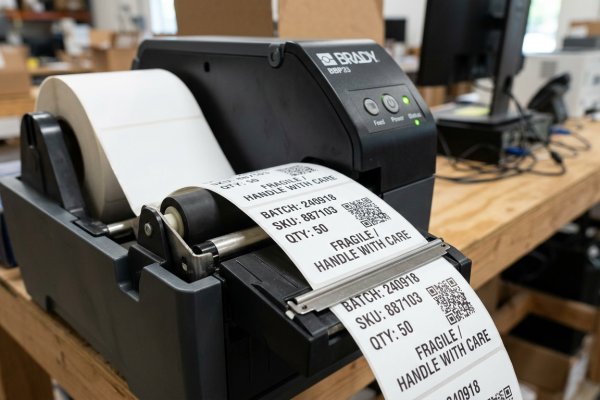
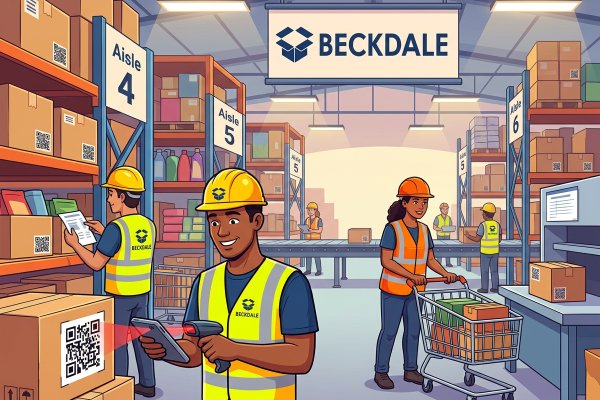
Storage Verification: Products are assigned specific locations using barcode or RFID technology, creating an auditable trail from the moment items arrive. This stock traceability ensures that the right product is always picked for the right order.
Pick and Pack Accuracy: Automated picking systems guide warehouse staff to exact locations, while scanning technology confirms that the correct item and quantity are selected. Many operations now achieve accuracy rates exceeding 99.9%, far surpassing traditional manual picking methods.
Pre-Dispatch Inspection: Before packages leave the warehouse, weight verification systems automatically flag discrepancies that might indicate picking errors. Random physical inspections provide additional assurance, particularly for high-value or complex orders.
Quality Control Standards for Specialist Products
Certain product categories demand enhanced quality protocols. Reputable fulfilment providers offer specialized handling for sensitive items including beauty products, food items, and clothing, each with unique storage and handling requirements.
For products with limited shelf life, batch and expiry date management ensures FIFO (First In, First Out) rotation, preventing waste and ensuring customers receive fresh products. This level of attention to detail separates professional operations from budget providers who genuinely cut corners.
Postage Optimization: The Hidden Cost Saver
While warehouse fees attract immediate attention during fulfilment comparisons, postage costs often represent the largest component of total fulfilment expenditure. Smart businesses recognize that strategic fulfilment location and carrier partnerships dramatically impact bottom-line costs.
Understanding UK Postage Dynamics
The UK's geography creates interesting postage considerations. A fulfilment centre's location relative to your customer base can mean the difference between next-day delivery at standard rates and premium charges for extended zones.
Consider a business with customer concentrations in both Bristol and Birmingham. A centrally located fulfilment warehouse in Leicester provides optimal positioning to serve both markets efficiently. Bristol, situated in the South West, experiences consistent courier traffic from central distribution hubs, while Birmingham's position in the Midlands makes it a natural logistics crossroads.
Carrier Relationship Advantages
Established fulfilment providers leverage substantial shipping volumes to negotiate preferential rates with multiple carriers. These courier services partnerships translate into savings that individual businesses could never achieve independently.
Volume-based discounts can reduce postage costs by 30-50% compared to standard retail rates. For a business shipping 1,000 parcels monthly, this represents thousands of pounds in annual savings—often more than the entire warehouse handling fee.
Intelligent Postage Selection
Advanced fulfilment operations don't simply use the cheapest carrier for every shipment. Instead, they employ sophisticated algorithms considering:
- Package size, weight, and destination
- Delivery timeframe requirements
- Real-time carrier performance data
- Cost per delivery versus service level
- Special handling requirements
This intelligent routing ensures customers receive optimal service while minimizing unnecessary premium charges. The technology investment required for such systems represents another example of how professional B2C fulfilment providers achieve cost efficiencies unavailable to individual merchants.
Regional Considerations: Bristol and Birmingham in Focus
Examining specific regional markets illuminates the practical implications of fulfilment location and strategy. Both Bristol and Birmingham represent significant commercial centres with distinct characteristics affecting fulfilment operations.
Bristol's Growing E-commerce Ecosystem
Bristol has emerged as a vibrant hub for creative and technology businesses, many operating direct-to-consumer e-commerce models. The city's businesses benefit from excellent connectivity to London and the South East while serving as a gateway to Cornwall, Devon, and Wales.
For Bristol-based businesses, partnering with a centrally located fulfilment provider offers significant advantages. Rather than limiting delivery speed by shipping from the South West, a Leicester-based UK 3PL fulfilment operation can reach Bristol customers within standard next-day timeframes while simultaneously providing superior service to customers throughout the Midlands, North, and Scotland.
Birmingham's Strategic Importance
Birmingham's position at the heart of the UK's motorway network makes it a natural logistics focal point. The city hosts major distribution centres for national and international retailers, creating a mature ecosystem of logistics expertise and infrastructure.
Businesses based in Birmingham or serving significant customer populations there require fulfilment partners who understand the area's logistics dynamics. The concentration of courier hubs means that shipments into Birmingham from central UK locations typically arrive faster and more reliably than from peripheral areas.
Technology: The True Enabler of Low Cost Fulfilment
The dramatic reduction in fulfilment costs over the past decade stems primarily from technology adoption. Cloud-based warehouse management systems, automated sorting equipment, and sophisticated data flow integrations have revolutionized operational efficiency.
Real-Time Inventory Visibility
Modern systems provide instant stock level visibility across multiple sales channels. This prevents overselling, reduces emergency restocking costs, and enables businesses to make informed decisions about promotions and marketing campaigns based on actual available inventory.
Automated Order Processing
Orders flow automatically from Amazon FBM accounts, Shopify stores, eBay listings, and custom e-commerce platforms directly into warehouse picking systems. This eliminates manual data entry, reduces errors, and dramatically accelerates order processing times.
The result? Orders placed before cutoff times ship the same day, improving customer satisfaction while reducing the need for expensive premium delivery services.
Balancing Cost and Service: Making the Right Choice
The decision to partner with a low cost fulfilment provider shouldn't be based solely on headline pricing. A comprehensive evaluation considers multiple factors:
Total Cost Analysis
Request detailed pricing examples reflecting your specific order profile. Consider:
- Storage fees (per pallet, per bin, or per cubic foot)
- Pick and pack charges per order
- Postage costs at actual negotiated rates
- Additional services like contract packing or custom sendouts
- Returns processing fees
- Account management and support costs
Many providers offer a pricing calculator enabling businesses to model actual costs based on their order volumes and characteristics.
Service Level Commitments
Understand guaranteed service levels including same-day dispatch cutoff times, accuracy commitments, and issue resolution procedures. These operational details often distinguish truly professional providers from budget operations that sacrifice service quality for headline-grabbing prices.
Scalability and Flexibility
Your fulfilment needs will evolve. Seasonal peaks, product launches, and business growth demand partners who scale seamlessly without punitive pricing changes. Look for providers experienced in handling B2B fulfilment alongside consumer orders, demonstrating operational versatility.
Conclusion: Redefining Value in Fulfilment Services
The notion that businesses must choose between affordable fulfilment and quality service represents outdated thinking. Modern UK fulfilment providers have demonstrated that efficiency, technology, and expertise enable exceptional service at competitive prices.
Whether your customers are concentrated in Bristol, Birmingham, or distributed across the entire UK, strategic fulfilment partnerships optimize postage costs while maintaining rigorous quality control standards. The key lies in looking beyond headline pricing to evaluate total value—encompassing accuracy, speed, technology, support, and scalability.
By understanding how professional fulfilment operations achieve cost efficiencies without compromising quality, businesses can make informed decisions that strengthen their competitive position while enhancing customer satisfaction. In today's market, low cost fulfilment isn't about accepting less—it's about demanding more intelligence, efficiency, and value from every aspect of your supply chain operations.
The hidden truth? Low cost fulfilment, when executed by experienced professionals with robust quality systems and strategic advantages, delivers superior value that budget-conscious businesses can no longer afford to ignore.