In today's competitive retail landscape, businesses require flexible solutions to meet ever-changing customer demands. Whether you're launching promotional campaigns, correcting packaging errors, or creating multi-product bundles, specialist services like item reworks, contract packing, kitting, and bundling have become essential components of modern UK fulfilment operations. From bustling commercial hubs like Birmingham to the capital's thriving marketplace in London, businesses are discovering how these value-added services can transform their supply chain efficiency.
Understanding Item Reworks and Why They Matter
Item reworks represent a critical service that prevents product waste and protects brand reputation. When products arrive with incorrect labelling, damaged packaging, or require updates to comply with new regulations, item reworks provide a cost-effective alternative to disposing of perfectly good stock.
Businesses across Birmingham's manufacturing sector frequently utilise rework services when regulatory requirements change or when product information needs updating. Rather than scrapping entire inventory batches, companies can have products relabelled, repackaged, or modified to meet current standards. This approach not only saves money but also aligns with sustainability goals by reducing waste.
Common Item Rework Scenarios
- Updating product labels with new regulatory information or branding
- Replacing damaged outer packaging whilst preserving the product inside
- Adding promotional stickers or limited-edition sleeve wraps
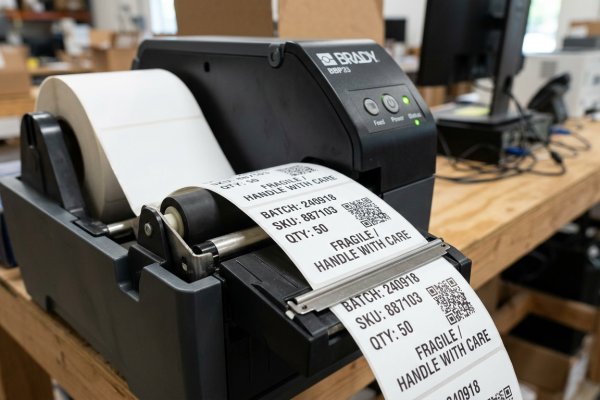
- Correcting barcode errors or pricing information
- Applying tamper-evident seals or security features
- Repackaging items for different market requirements
A UK warehouse specialising in reworks will typically use dedicated quality control processes to ensure every modified item meets exact specifications before being returned to inventory or dispatched to customers.
Contract Packing: Flexibility Without Capital Investment
Contract packing offers businesses the ability to scale their packaging operations without investing in equipment, facilities, or dedicated staff. This service proves particularly valuable for companies experiencing seasonal fluctuations or testing new product launches before committing to in-house infrastructure.
London-based retailers often leverage contract packing services when launching limited-edition products or seasonal collections. Rather than establishing temporary packing lines within their own premises, they partner with specialist providers who can handle everything from primary packaging to final dispatch preparation.
The Contract Packing Process
Professional contract packing operations follow systematic workflows designed to maintain quality whilst maximising efficiency:
- Goods Receipt: Products and packaging materials arrive at the fulfilment warehouse and are checked against specifications
- Quality Verification: All components are inspected to ensure they meet required standards
- Assembly/Packing: Trained operatives use picking bins and assembly stations to pack products according to precise instructions
- Quality Control: Random sampling and checks verify that finished products meet specifications
- Labelling and Barcoding: Products receive appropriate identification for inventory management
- Storage or Dispatch: Completed items move to storage or directly to shipping depending on requirements
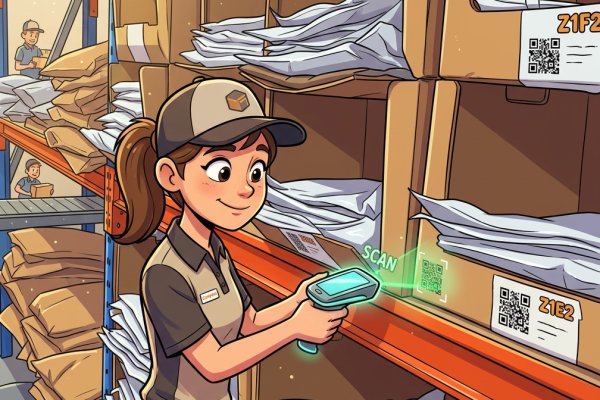
Modern contract packing facilities incorporate technology such as barcode scanning and digital checklists to ensure accuracy throughout every stage. This level of precision proves essential when handling products for national retailers with distribution across Birmingham, London, and other major UK cities.
Kitting: Creating Value Through Combination
Kitting involves assembling multiple individual items into a single package or kit. This service transforms separate products into ready-to-sell units that offer enhanced value to customers whilst simplifying inventory management for retailers.
Consider a beauty subscription box containing five different products. Rather than storing and picking five separate items for each order, a UK 3PL provider can pre-assemble these kits, creating a single SKU that streamlines the entire fulfilment process. When an order arrives, warehouse staff simply pick one pre-assembled kit from the picking bin rather than gathering multiple components.
Industries That Benefit From Kitting Services
- Beauty and Cosmetics: Beauty product gift sets, skincare regimens, and promotional collections
- Food and Beverage: Hampers, meal kits, and tasting sets requiring careful assembly
- Technology: Product bundles with accessories, cables, and documentation
- Corporate Gifts: Custom welcome packs, event materials, and promotional kits
- Educational Supplies: Complete learning kits with multiple components
- Subscription Boxes: Curated monthly selections across various niches
Businesses operating from Birmingham frequently utilise kitting services when targeting corporate clients across the Midlands and beyond. A professionally assembled kit presents a polished brand image whilst reducing the complexity of order fulfilment.
Bundling: Strategic Product Combinations
Whilst kitting and bundling share similarities, bundling typically refers to combining products for promotional or strategic purposes rather than creating permanent product configurations. Bundling enables businesses to increase average order values, clear slow-moving stock, or create compelling limited-time offers.
Retailers in London's competitive marketplace often deploy bundling strategies during seasonal peaks, pairing complementary products to encourage larger purchases. A fulfilment warehouse can execute these promotional bundles efficiently, applying special outer packaging, promotional materials, and ensuring each bundle meets exact specifications.
Types of Product Bundling
Different bundling approaches serve distinct business objectives:
- Pure Bundling: Products sold only as a bundle, not individually
- Mixed Bundling: Items available separately or together at a discount
- Cross-Sell Bundling: Complementary products from different categories combined
- BOGO Bundling: Buy-one-get-one promotions requiring special packaging
- Gift-with-Purchase: Adding bonus items to qualifying orders
The logistics of bundling require careful coordination between inventory management systems and warehouse operations. When a customer in Birmingham orders a promotional bundle, the UK 3PL fulfilment system must recognise this as a special configuration, directing warehouse staff to the appropriate picking bins and assembly instructions.
The Role of Picking Bins in Efficient Operations
Behind every successful kitting, bundling, and contract packing operation lies an organised system of picking bins and inventory management. These seemingly simple containers form the backbone of efficient warehouse operations, ensuring that components remain accessible and organised throughout the assembly process.
Modern picking bins come in various configurations, from small compartmentalised units for tiny components to larger totes for bulkier items. Advanced warehouses use colour-coded systems, barcode labels, and strategic positioning to minimise walking time and reduce picking errors.
When assembling a kit containing multiple items, operatives work from picking bins arranged in logical sequences. This systematic approach, often called zone picking or batch picking, dramatically improves throughput whilst maintaining accuracy. For high-volume operations serving markets from London to Birmingham and beyond, this efficiency translates directly to cost savings and faster turnaround times.
Courier Integration: DPD and Multi-Carrier Solutions
Once items have been reworked, packed, kitted, or bundled, the final stage involves dispatch to customers. Modern fulfilment operations integrate seamlessly with multiple courier services, including popular carriers like DPD, ensuring businesses can select the most appropriate delivery option for each order.
DPD's comprehensive network across the UK makes it a popular choice for businesses serving diverse geographic markets. Their technology-driven approach, including precise delivery windows and real-time tracking, aligns well with customer expectations in metropolitan areas like London whilst also providing reliable service to Birmingham and other regional centres.
Courier Selection Criteria
When choosing courier partners for kitted or bundled products, businesses should consider:
- Service speed requirements (next-day, 48-hour, economy)
- Package size and weight capabilities
- Geographic coverage and delivery density
- Tracking and customer communication features
- Returns handling capabilities
- Cost structures and volume discounts
- Integration with warehouse management systems
A sophisticated website fulfilment operation will automatically select the optimal courier based on destination, package characteristics, and customer preferences, creating a seamless experience from order placement through delivery.
Geographic Considerations: Birmingham and London Markets
The UK's diverse commercial landscape presents unique considerations for fulfilment operations. Birmingham, as the UK's second-largest city and central location, offers strategic advantages for businesses seeking to minimise delivery times to both northern and southern markets. Its position makes it an ideal distribution point for companies serving national audiences.
London's massive consumer market and concentration of businesses create distinct opportunities and challenges. The capital's dense population supports high-volume operations, whilst its congested transport infrastructure requires careful courier selection and dispatch timing. Many businesses find that partnering with a B2C fulfilment specialist helps navigate these complexities efficiently.
For businesses based in Leicester, the geographic positioning offers balanced access to both markets, enabling efficient service delivery across the Midlands, South, and beyond. This central location proves particularly advantageous when managing time-sensitive promotional campaigns requiring rapid deployment to multiple regions simultaneously.
Technology Integration and Data Flow
Modern contract packing, kitting, and bundling operations rely heavily on technology integration to maintain accuracy and efficiency. Warehouse management systems track inventory at the component level, ensuring that all elements required for a kit remain available and properly allocated.
When a customer places an order for a bundled product, sophisticated systems automatically generate picking instructions, allocate stock from appropriate picking bins, and create shipping documentation. This digital coordination ensures that whether an order ships to Birmingham, London, or anywhere across the UK, it follows the same rigorous quality standards.
Key Technology Components
- Barcode scanning systems for component verification
- Warehouse management software coordinating assembly workflows
- Integration with e-commerce platforms and marketplaces
- Real-time inventory tracking and automatic reorder triggers
- Quality control checkpoints with digital verification
- Multi-courier integration for optimised shipping selection
Choosing the Right Fulfilment Partner
Selecting a partner for item reworks, contract packing, kitting, and bundling requires careful evaluation of capabilities, experience, and cultural fit. The ideal provider offers more than just warehouse space—they become an extension of your business, representing your brand through the quality of their work.
Key considerations include the provider's experience with your specific product category, whether food products, clothing, or other specialised items. Their location relative to your key markets, technology infrastructure, and ability to scale operations up or down according to demand all play crucial roles in long-term success.
Quality control processes deserve particular attention. How does the provider ensure accuracy during complex kitting operations? What happens if an error occurs? How do they handle product traceability and batch management? These operational details separate adequate providers from exceptional partners who truly understand the complexities of modern fulfilment.
Conclusion: Value-Added Services Drive Competitive Advantage
Item reworks, contract packing, kitting, and bundling represent far more than basic warehouse services—they're strategic tools that enable businesses to respond quickly to market opportunities, reduce costs, and deliver enhanced value to customers. Whether you're a Birmingham-based manufacturer, a London retailer, or an e-commerce business serving national markets, these services provide the flexibility modern commerce demands.
By partnering with experienced fulfilment specialists who understand the intricacies of picking bins, courier integration, quality control, and technology systems, businesses can focus on their core competencies whilst ensuring their products reach customers in perfect condition, on time, every time. In an increasingly competitive marketplace, this operational excellence often makes the difference between success and mediocrity.
The future of retail lies in agility, and value-added fulfilment services provide exactly that—the ability to adapt quickly, test new concepts, and scale operations without massive capital investment. For businesses ready to elevate their fulfilment capabilities, exploring these services represents a logical next step toward sustainable growth and customer satisfaction.