UK Fulfilment Solutions: Navigating Amazon, 3PL & Technology
The landscape of e-commerce fulfilment in the United Kingdom has transformed dramatically over the past decade. Small businesses that once managed inventory from spare bedrooms or garden sheds now face sophisticated choices about how to store, pack, and ship their products. The emergence of UK fulfilment services has levelled the playing field, allowing ambitious entrepreneurs to compete with established retailers through strategic partnerships with third-party logistics providers.
Understanding the intricate relationship between Amazon marketplaces, warehouse management systems, and data integration has become essential for business growth. This comprehensive guide explores how small businesses can leverage professional fulfilment services to scale operations, reduce overheads, and deliver exceptional customer experiences across multiple sales channels.
The Rise of 3PL for Small Business in the UK
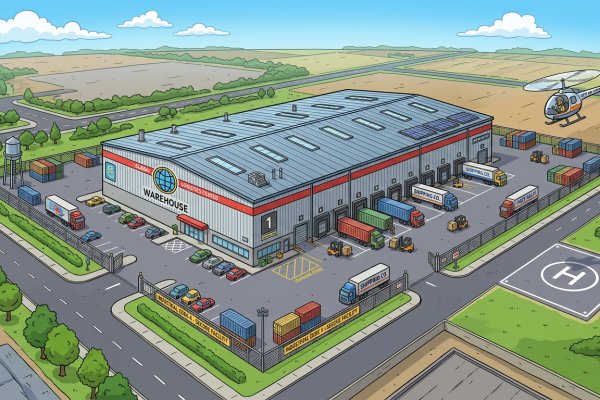
Third-party logistics providers have evolved from simple storage facilities into sophisticated fulfilment warehouses that offer end-to-end solutions. For small businesses throughout the UK—from Manchester to Bristol, Birmingham to Edinburgh—partnering with a UK 3PL represents a strategic decision that impacts everything from cash flow to customer satisfaction.
Why Small Businesses Choose 3PL Partners
The decision to outsource fulfilment operations stems from several compelling business realities. Traditional in-house warehousing demands substantial capital investment, long-term property commitments, and extensive personnel management. A 3pl for small business uk operations eliminates these barriers whilst providing immediate access to professional infrastructure.
- Reduced overhead costs through shared warehouse facilities
- Flexible storage capacity that scales with seasonal demand
- Access to discounted shipping rates through consolidated volumes
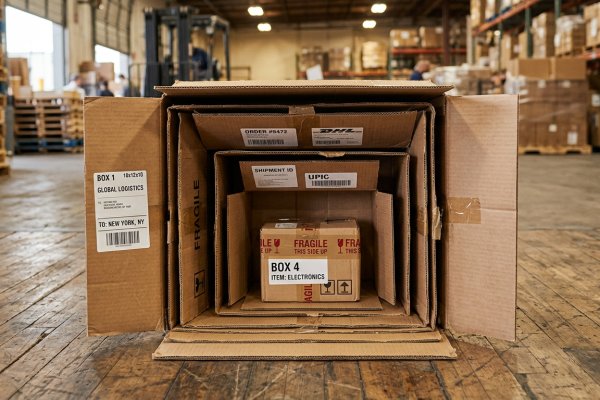
- Professional packing standards that reduce damage claims
- Extended operational hours without additional staffing costs
- Geographic distribution options for faster delivery times
Small businesses in Leicester, for instance, can benefit from central UK locations that provide excellent transport links to London, the Midlands, and northern cities. This strategic positioning reduces transit times and shipping costs whilst maintaining next-day delivery capabilities across most of the country.
Evaluating 3PL Providers
Not all UK warehouse fulfilment providers offer equivalent services. Small businesses should assess potential partners across multiple dimensions including technology capabilities, industry experience, and scalability provisions. Transparent pricing structures and flexible minimum commitments become particularly important for businesses experiencing rapid growth or seasonal fluctuations.
Amazon Integration: FBA, FBM, and Multi-Channel Strategies
Amazon dominates UK e-commerce, accounting for a substantial portion of online retail transactions. Small businesses must navigate crucial decisions about how to fulfil Amazon orders whilst maintaining control over their brand experience and profit margins.
Fulfilled By Amazon (FBA) Considerations
Amazon's FBA programme offers compelling advantages including Prime eligibility, streamlined customer service, and Amazon's renowned logistics infrastructure. However, businesses face significant challenges including strict packaging requirements, storage fees that penalise slow-moving inventory, and limited control over the customer experience.
Many successful businesses adopt hybrid approaches, using FBA for high-velocity products whilst maintaining alternative fulfilment arrangements for slower-moving items or products with special handling requirements such as food products or beauty items.
Fulfilled By Merchant (FBM) Advantages
The FBM model allows businesses to maintain greater control over their fulfilment operations whilst still accessing Amazon's customer base. Partnering with a specialist UK 3PL fulfilment provider enables businesses to meet Amazon's stringent delivery standards without the restrictions of FBA storage policies.
This approach proves particularly effective for businesses selling across multiple platforms. A single inventory pool managed through professional B2C fulfilment services can serve Amazon orders alongside direct website sales, eBay listings, and other marketplace channels.
Warehouse Management Systems: The Technology Foundation
Modern fulfilment operations depend absolutely on sophisticated warehouse management systems (WMS) that orchestrate every aspect of inventory handling. These platforms transform raw storage space into intelligent distribution centres capable of processing hundreds or thousands of orders daily with remarkable accuracy.
Core WMS Functionality
Contemporary warehouse management systems extend far beyond simple inventory tracking. They provide comprehensive visibility into stock levels, locations, and movements whilst automating crucial operational decisions.
- Real-time inventory tracking across multiple locations
- Automated picking route optimization for efficiency
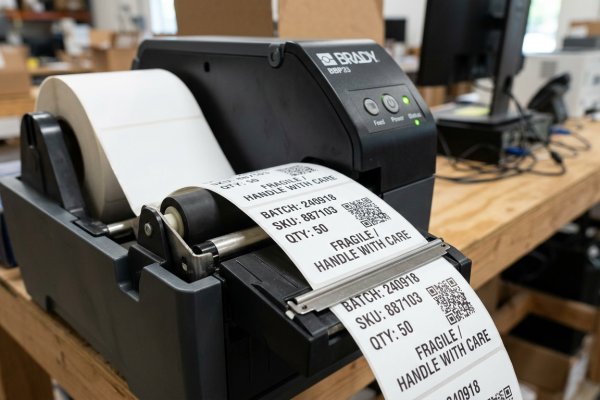
- Barcode scanning for accuracy and traceability
- Intelligent stock rotation based on expiry dates and batch numbers
- Returns processing and quality control workflows
- Performance analytics and reporting dashboards
For small businesses, access to enterprise-grade WMS technology through a 3pl for small business uk partnership represents a significant competitive advantage. These systems would be prohibitively expensive to implement independently but become accessible through shared fulfilment arrangements.
WMS and Customer Experience
The customer-facing implications of robust WMS technology cannot be overstated. Accurate inventory data prevents overselling that damages brand reputation. Efficient picking processes enable same-day dispatch for orders received before cut-off times. Complete stock traceability facilitates rapid resolution when issues arise, transforming potential negative experiences into demonstrations of professional service.
Data Flow: Connecting Systems for Seamless Operations
The most critical yet often underappreciated aspect of modern website fulfilment involves the data flow between disparate systems. Orders originate from multiple platforms, inventory updates must propagate across channels, and shipping notifications need to reach customers promptly. This complex choreography demands robust integration capabilities.
Integration Architecture
Professional fulfilment providers implement sophisticated integration frameworks that connect e-commerce platforms, marketplace APIs, warehouse management systems, and carrier networks. These connections operate continuously, exchanging information in near-real-time to maintain operational synchronization.
When a customer places an order on a Shopify website at midnight, robust data flow ensures that the order appears in the warehouse management system within minutes. Warehouse staff can begin processing the order at the start of the next business day without manual intervention. Once shipped, tracking information flows back through the integration layer to update the e-commerce platform and trigger customer notifications.
Common Integration Challenges
Data flow complexity increases exponentially with each additional sales channel or special requirement. Businesses selling clothing across multiple sizes and colours face particular challenges maintaining accurate variant-level inventory. Those offering B2B fulfilment alongside consumer sales must accommodate different pricing structures and shipping requirements.
Experienced UK fulfilment providers invest heavily in integration expertise, having solved these challenges repeatedly across diverse client portfolios. This accumulated knowledge accelerates implementation timelines and reduces the risk of costly data synchronization errors.
Geographic Considerations Across the UK
While businesses can operate from anywhere in the United Kingdom, strategic fulfilment location decisions impact delivery speeds and costs. Companies based in London often benefit from partnerships with fulfilment centres in Leicester or the East Midlands, where central geographic positioning enables efficient distribution to all UK regions.
Scottish businesses might maintain inventory closer to English population centres to reduce delivery times to their largest customer concentrations. Conversely, businesses targeting Scottish customers specifically might prioritize fulfilment partners with strong connections to Scottish courier services.
Specialized Fulfilment Services
Beyond standard pick, pack, and ship operations, many small businesses require specialized capabilities that distinguish professional fulfilment warehouse providers from basic storage facilities.
Contract Packing and Customization
Businesses selling gift sets, subscription boxes, or promotional bundles often need contract packing services that assemble products according to specific configurations. Similarly, companies managing custom sendouts for marketing campaigns require flexible fulfilment partners who can accommodate unique requirements beyond standard operational procedures.
Retail Distribution
Small businesses expanding into retail partnerships face distinctly different fulfilment requirements. Supplying major retailers or preparing products for television shopping channels demands compliance with specific packaging standards, labelling requirements, and delivery protocols that differ substantially from direct-to-consumer operations.
Making the Transition to Professional Fulfilment
Migrating from self-fulfilment to a professional 3pl for small business uk operations represents a significant operational milestone. Successful transitions follow structured implementation processes that minimize disruption whilst establishing reliable ongoing operations.
The process typically begins with inventory audits and system configuration, followed by controlled onboarding that might initially handle a percentage of total volume. As confidence builds and processes refine, businesses progressively shift greater proportions of their fulfilment operations until achieving complete transition.
Measuring Success
Clear metrics enable businesses to evaluate fulfilment partnership performance objectively. Key indicators include order accuracy rates, average dispatch times, damage rates during transit, and overall cost per order. Regular reviews using detailed pricing examples ensure that arrangements remain commercially competitive as business volumes evolve.
Future-Proofing Your Fulfilment Strategy
The e-commerce landscape continues evolving rapidly, with customer expectations for delivery speed, packaging sustainability, and order tracking transparency increasing constantly. Partnerships with forward-thinking UK 3PL fulfilment providers position small businesses to adapt to these changing demands without requiring independent investment in new technologies or capabilities.
Businesses that establish strong fulfilment foundations today create platforms for sustainable growth tomorrow. Whether expanding into new geographic markets, adding complementary product lines, or scaling to accommodate dramatic volume increases, the right 3PL partnership provides infrastructure that scales alongside ambition.
The integration of Amazon expertise, sophisticated warehouse management systems, and seamless data flow creates a powerful foundation for small business success in the competitive UK e-commerce environment. By leveraging professional shipping services and specialized fulfilment capabilities, ambitious entrepreneurs can focus their energy on product development, marketing, and customer relationships whilst trusting operational execution to experienced logistics professionals.