The Case for Padded Envelopes in Product Shipping: Balancing Efficiency with Protection
In the competitive world of e-commerce and mail-order businesses, choosing the right packaging can significantly impact both operational efficiency and customer satisfaction. Padded envelopes, also known as bubble mailers or jiffy bags, have become increasingly popular as an alternative to traditional cardboard boxes. While they offer numerous advantages, businesses must carefully weigh these benefits against potential drawbacks to determine when padded envelopes are the optimal shipping solution.
Cost Efficiency and Economic Benefits
One of the most compelling arguments for using padded envelopes is their cost-effectiveness. Compared to rigid boxes, padded envelopes are substantially cheaper to purchase in bulk. The materials required for their manufacture are less expensive, and their lightweight construction translates directly into reduced shipping costs. Since postal and courier services calculate fees based on both weight and dimensions, the minimal weight of a padded envelope can result in significant savings, particularly for businesses shipping high volumes of products.
Furthermore, padded envelopes often qualify for lower-cost shipping tiers, such as large letter rates rather than parcel rates in many postal systems. Over thousands of shipments, these incremental savings accumulate into substantial reductions in operational expenses, directly improving profit margins or allowing businesses to offer more competitive pricing to customers.
Operational Efficiency and Time Savings
Beyond monetary savings, padded envelopes offer remarkable advantages in terms of packing efficiency. Unlike boxes, which require assembly, tape, and often additional void fill materials, padded envelopes are ready to use immediately. The packing process becomes streamlined: simply insert the product, seal the adhesive strip, and apply the shipping label. This simplicity means that warehouse staff can process orders more quickly, reducing labor costs and enabling faster order fulfillment.
The time saved per package may seem trivial, but when multiplied across hundreds or thousands of daily shipments, the productivity gains become substantial. Faster packing also means orders can be dispatched more quickly, potentially improving delivery times and customer satisfaction. Additionally, padded envelopes require less storage space than flat-packed boxes, freeing up valuable warehouse real estate for inventory.
Environmental Considerations
In an era of increasing environmental awareness, padded envelopes present a more sustainable packaging option in several respects. They utilize significantly less material than boxes, reducing the overall environmental footprint of shipping operations. Many padded envelopes are now manufactured from recycled materials or feature recyclable components, aligning with corporate sustainability goals and appealing to environmentally conscious consumers.
The reduced weight of padded envelopes also contributes to lower carbon emissions during transportation, as lighter shipments require less fuel to transport. For businesses committed to reducing their environmental impact, the switch from boxes to padded envelopes for suitable products represents a tangible step toward more sustainable operations with minimal waste generation.
The Protection Problem
Despite these advantages, the most significant drawback of padded envelopes is their limited protective capacity. While the bubble lining or foam padding provides some cushioning against minor impacts, it cannot match the structural integrity of a corrugated cardboard box. Products shipped in padded envelopes are more vulnerable to crushing forces, punctures, and rough handling during transit.
Items with rigid or fragile components, sharp corners, or those susceptible to bending may arrive damaged when shipped in padded envelopes. The flexible nature of the packaging means that products can be compressed, twisted, or folded during sorting and transportation, particularly in automated processing facilities where packages may be subjected to considerable mechanical stress.
Customer Satisfaction and Brand Perception
The risk of product damage directly impacts customer satisfaction and can generate negative feedback and reviews. In the age of online retail, a single damaged shipment can result in a poor review that influences countless potential customers. Returns and replacements not only cost money in terms of product loss and additional shipping but also consume customer service resources and can permanently damage customer relationships.
Moreover, the presentation of a product matters. A padded envelope lacks the premium feel of a sturdy box and offers limited opportunities for branding or creating an unboxing experience. For products positioned as luxury or high-quality items, arriving in a basic padded envelope may undermine the perceived value and disappoint customers who expect packaging commensurate with their purchase.
Finding the Right Balance
The decision between padded envelopes and boxes should not be universal but rather product-specific. Soft goods such as clothing, textiles, and flexible accessories are ideal candidates for padded envelope shipping, as they are naturally resistant to the compression forces that might damage rigid items. Books, documents, and flat items also travel well in padded envelopes, provided they are not particularly valuable or fragile editions.
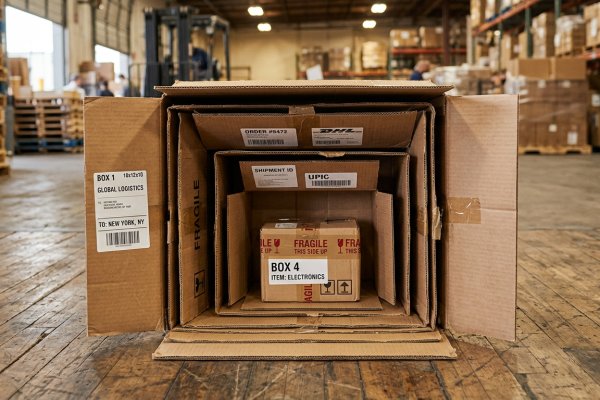
Conversely, electronics, glassware, ceramics, and any products with delicate components should always be shipped in boxes with appropriate cushioning materials. The cost savings of a padded envelope are quickly negated by a single damaged shipment and the associated costs of replacement, return shipping, and lost customer goodwill.
Conclusion
Padded envelopes represent a valuable tool in the modern shipper's arsenal, offering undeniable benefits in terms of cost, efficiency, and environmental impact. Their lightweight design reduces shipping expenses, accelerates packing processes, and minimizes material waste. However, these advantages come with the trade-off of reduced protection, making them unsuitable for fragile or rigid items where the risk of damage could lead to customer dissatisfaction and negative reviews.
The key to successful shipping strategy lies in matching packaging to product characteristics. By reserving padded envelopes for appropriate items while using boxes for products requiring greater protection, businesses can optimize their shipping operations, reduce costs, and maintain high levels of customer satisfaction. In the end, the cheapest packaging is not necessarily the one with the lowest upfront cost, but rather the one that delivers products safely while meeting business objectives and customer expectations.