Efficient Picking in Modern Warehouses
In today's fast-paced e-commerce landscape, efficient picking operations have become the cornerstone of successful UK Fulfilment services. As businesses across Manchester, Bristol, and throughout the United Kingdom strive to meet increasingly demanding customer expectations, the optimization of warehouse picking processes has never been more critical. The integration of sophisticated warehouse management systems (WMS) is revolutionizing how companies approach order fulfilment, reducing errors, and dramatically improving operational efficiency.
Understanding the Fundamentals of Efficient Picking
Efficient picking represents the systematic process of retrieving products from warehouse locations to fulfil customer orders. This crucial operation typically accounts for approximately 55% of total warehouse operating costs, making it the single most expensive activity in any distribution center. The importance of optimizing this process cannot be overstated, particularly for businesses operating in competitive markets like Manchester's thriving logistics sector or Bristol's expanding distribution hub.
The picking process encompasses several critical stages, each requiring careful coordination and optimization. From receiving the initial order to final verification before dispatch, every step presents opportunities for improvement through technology integration and process refinement.
Key Components of Successful Picking Operations
- Accurate inventory management: Real-time stock visibility prevents picking errors and stockouts
- Strategic warehouse layout: Optimized product placement reduces travel time and improves productivity
- Trained personnel: Skilled operators who understand system workflows and best practices
- Quality control measures: Verification processes that ensure order accuracy before dispatch
- Technology integration: Seamless connectivity between systems and hardware
The Role of WMS Integration in Picking Efficiency
A robust warehouse management system serves as the nerve center of modern picking operations. WMS integration transforms traditional warehousing into intelligent, data-driven operations that continuously optimize performance. For UK 3PL providers, implementing advanced WMS technology has become essential rather than optional.
The integration of WMS technology extends far beyond simple inventory tracking. Modern systems incorporate sophisticated algorithms that analyze historical data, predict demand patterns, and automatically optimize picking routes. This intelligent data flow ensures that warehouse operations remain agile and responsive to changing business needs.
Benefits of WMS Integration
When properly implemented, WMS integration delivers transformative benefits across warehouse operations. Businesses in Manchester have reported productivity improvements of up to 40% following successful WMS deployment, while Bristol-based operations have documented significant reductions in picking errors and associated costs.
- Real-time inventory accuracy: WMS systems provide instant visibility into stock levels, locations, and movements, enabling precise stock traceability throughout the supply chain.
- Optimized pick paths: Advanced algorithms calculate the most efficient routes through the warehouse, minimizing travel time and maximizing picks per hour.
- Reduced error rates: Barcode scanning and verification systems virtually eliminate picking mistakes, particularly important for specialized operations like beauty product fulfilment.
- Enhanced productivity tracking: Detailed performance metrics enable continuous improvement and informed decision-making.
- Scalability: Cloud-based WMS platforms grow seamlessly with your business, accommodating seasonal fluctuations and long-term expansion.
Advanced Picking Methodologies
Different picking strategies suit different operational requirements, and selecting the appropriate methodology requires careful analysis of order profiles, product characteristics, and volume patterns. Manchester's diverse commercial landscape requires flexible approaches, while Bristol's port-centric operations often demand specialized picking strategies for imported goods.
Discrete Picking
Also known as single-order picking, this traditional approach involves one operator collecting all items for a single order. While straightforward and offering high accuracy, discrete picking can be inefficient for high-volume operations. However, it remains ideal for B2C fulfilment operations handling complex or customized orders requiring individual attention.
Batch Picking
Batch picking consolidates multiple orders into a single picking tour, with operators collecting products for several orders simultaneously. This methodology significantly reduces travel time within the warehouse and works exceptionally well for operations with high SKU overlap between orders. Many UK warehouse operations employ batch picking during peak periods to maintain service levels.
Zone Picking
In zone picking systems, the warehouse is divided into discrete areas, with dedicated pickers assigned to each zone. Orders move through zones sequentially, with each picker contributing their portion. This approach optimizes specialist knowledge of product locations and reduces congestion in high-traffic areas. Integration with WMS systems ensures seamless handoffs between zones and maintains order integrity.
Wave Picking
Wave picking combines elements of both batch and zone methodologies, grouping orders into waves based on criteria such as shipping deadlines, courier requirements, or destination zones. This sophisticated approach requires robust WMS integration to coordinate timing and resource allocation effectively.
Technology Driving Picking Efficiency
The technological revolution in warehousing extends far beyond basic WMS implementation. Manchester's technology sector and Bristol's innovation hubs have contributed to the development and adoption of cutting-edge solutions that continue pushing efficiency boundaries.
Mobile Scanning Technology
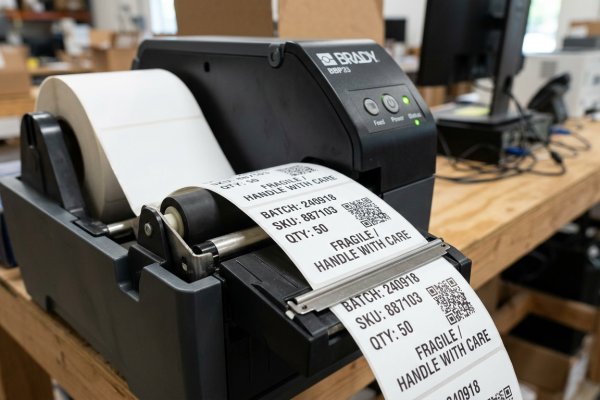
Handheld scanners and mobile devices have become ubiquitous in modern warehouses, providing real-time connectivity between pickers and WMS platforms. These devices guide operators through optimized pick paths, verify product selections, and update inventory instantly. For operations handling products with batch numbers and expiry dates, mobile scanning ensures critical information is captured accurately.
Voice-Directed Picking
Voice picking technology allows operators to work hands-free, receiving instructions through headsets and confirming picks verbally. This methodology has demonstrated remarkable accuracy rates exceeding 99.9% in many implementations. The technology proves particularly valuable for food product warehousing where hygiene considerations make traditional paper-based picking impractical.
Automation and Robotics
Advanced facilities increasingly incorporate automation solutions ranging from conveyor systems to autonomous mobile robots (AMRs) and automated storage and retrieval systems (AS/RS). While significant capital investment is required, these technologies deliver substantial long-term efficiency gains and position businesses for future growth.
Regional Perspectives: Manchester and Bristol
Understanding regional logistics dynamics provides valuable context for picking optimization strategies. Manchester's position as a major commercial center generates diverse warehousing requirements, from fashion distribution to high-tech product fulfilment. The city's excellent transport links make it an attractive location for distribution centers serving northern England and Scotland.
Bristol's strategic location provides outstanding access to southern England, Wales, and European markets through nearby ports. The city has experienced significant growth in B2B fulfilment operations, with many businesses leveraging Bristol's connectivity for efficient distribution networks. Both cities demonstrate how geographic positioning influences warehouse design and picking strategy selection.
Integration Challenges and Solutions
Despite the clear benefits, WMS integration presents challenges that require careful planning and execution. Legacy system compatibility, data migration complexities, and staff training represent common obstacles that businesses must navigate successfully.
Overcoming Integration Barriers
Successful integration requires a phased approach with clear milestones and realistic timelines. Partnering with experienced implementation specialists ensures that www.beckdaleshipping.co.uk technical challenges are anticipated and addressed proactively. Comprehensive staff training programs ensure that technological investments translate into operational improvements.
For businesses considering WMS implementation, starting with a thorough process audit identifies optimization opportunities and establishes baseline metrics for measuring improvement. Whether handling FBA operations or custom sendouts, understanding current workflows is essential for successful technology adoption.
Future Trends in Warehouse Picking
The evolution of picking technology continues accelerating, with artificial intelligence, machine learning, and augmented reality promising further efficiency gains. Predictive analytics will enable proactive decision-making, while enhanced robotics will handle increasingly complex picking tasks. Manchester and Bristol are positioning themselves as innovation leaders, with several facilities piloting next-generation technologies.
For businesses evaluating their fulfilment strategies, staying informed about technological developments ensures competitive advantage. Whether operating your own facility or partnering with a UK 3PL Fulfilment provider, understanding efficient picking principles and WMS integration capabilities remains essential for success in the modern logistics landscape.
Conclusion
Efficient picking, powered by sophisticated WMS integration, represents the foundation of successful warehouse operations. As demonstrated by progressive operations throughout Manchester, Bristol, and across the United Kingdom, businesses that prioritize picking optimization achieve significant competitive advantages through reduced costs, improved accuracy, and enhanced customer satisfaction. The ongoing technological revolution in warehousing promises continued innovation, making now the ideal time to evaluate and enhance your picking operations for long-term success.