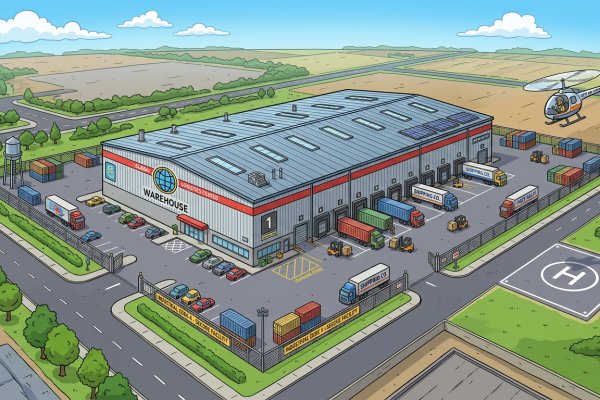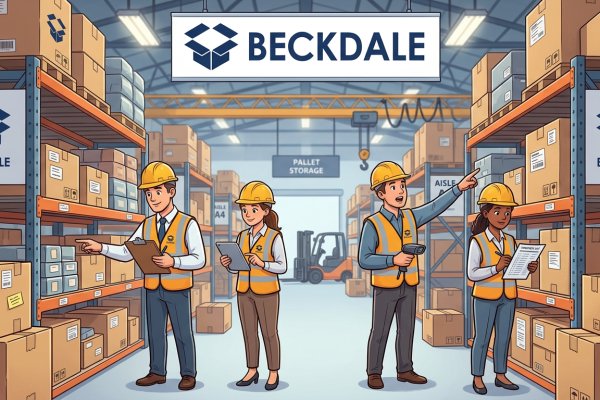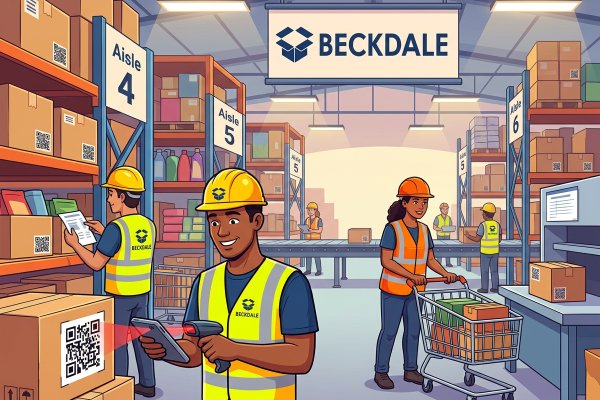
The landscape of ecommerce fulfilment has transformed dramatically over the past decade, driven by technological innovation and evolving customer expectations. A modern fulfilment warehouse bears little resemblance to its predecessors, now functioning as a sophisticated hub where cutting-edge technology, international logistics, and quality assurance converge to deliver seamless customer experiences.
The Technology Revolution in Fulfilment Warehouses
Today's fulfilment warehouse operates as a data-driven ecosystem where multiple technological systems work in harmony. From the moment inventory arrives to the final delivery confirmation, technology touches every aspect of the fulfilment process, creating efficiencies that were unimaginable just a few years ago.
Warehouse Management Systems: The Digital Backbone
At the heart of any modern UK fulfilment operation lies the Warehouse Management System (WMS). These sophisticated platforms orchestrate every movement within the facility, from receiving and putaway to picking, packing, and dispatch. Advanced WMS solutions now incorporate artificial intelligence and machine learning algorithms that continuously optimize warehouse layouts, predict demand patterns, and suggest the most efficient pick paths.
The integration capabilities of contemporary WMS platforms have revolutionized data flow between systems. Ecommerce platforms, marketplaces, and ERP systems can now communicate seamlessly with warehouse operations, ensuring real-time inventory visibility and order accuracy that customers have come to expect.
Automation and Robotics
While full automation remains beyond the reach of many operations, strategic implementation of automated systems delivers significant benefits. Automated conveyor systems, sortation equipment, and pick-to-light technology enhance productivity while reducing error rates. Some advanced facilities now deploy collaborative robots that work alongside human operators, handling repetitive tasks while employees focus on complex activities requiring human judgment.
- Automated guided vehicles (AGVs) transport goods efficiently across warehouse floors
- Robotic picking arms handle high-volume, standardized items
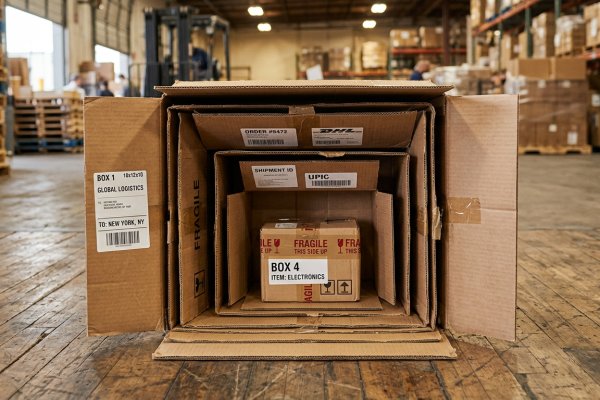
- Automated packing stations adjust box sizes to minimize void fill and shipping costs
- Voice picking technology enables hands-free order fulfilment
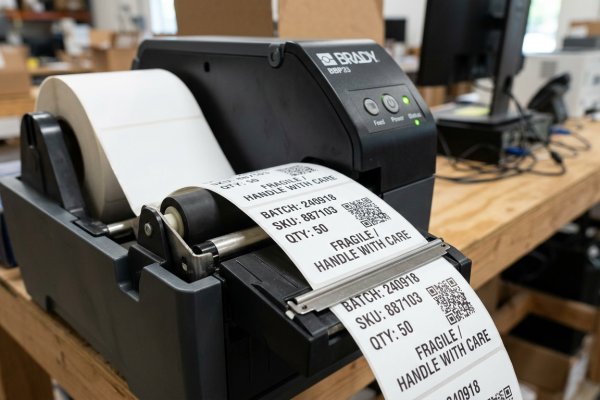
- Automated labeling systems ensure shipping compliance and accuracy
Shipping from China: Managing International Supply Chains
For most UK ecommerce businesses, shipping from China represents a critical component of their supply chain strategy. The manufacturing powerhouse continues to dominate global production, making efficient China-to-UK logistics essential for competitive pricing and product availability.
The Complexity of International Logistics
Managing shipments from China involves navigating multiple challenges including long transit times, customs compliance, port congestion, and documentation requirements. Technology has become indispensable in managing these complexities, with modern shipping services utilizing tracking platforms that provide visibility throughout the entire journey.
Forward-thinking businesses partner with 3PL providers who maintain strong relationships with Chinese manufacturers and freight forwarders. These partnerships enable better coordination of shipping schedules, consolidation of shipments to reduce costs, and proactive management of potential delays.
Technology Enabling Better China Shipping Management
Cloud-based supply chain visibility platforms now allow businesses to track containers from Chinese ports through to final destination. Predictive analytics help anticipate delays caused by weather, port congestion, or regulatory changes, enabling proactive communication with customers and adjustment of inventory strategies.
The rise of digital freight forwarding platforms has democratized access to competitive shipping rates and simplified the booking process. Businesses can now compare carriers, transit times, and costs with unprecedented transparency, making informed decisions that balance speed against expense.
3PL Ecommerce Fulfilment UK: Strategic Partnership Benefits
The decision to partner with a 3PL ecommerce fulfilment UK provider represents a strategic choice that extends far beyond simple warehousing. Modern third-party logistics providers function as extensions of their clients' businesses, offering expertise, infrastructure, and technology that would be prohibitively expensive to develop internally.
Why UK Businesses Choose 3PL Partners
Ecommerce businesses across Manchester, Birmingham, London, and throughout the UK increasingly recognize that fulfilment excellence requires specialized knowledge and infrastructure. A professional UK warehouse partner brings economies of scale in shipping, established carrier relationships, and proven operational processes.
For businesses based in Leicester and the Midlands, working with a local UK 3PL provider offers particular advantages in terms of accessibility, central UK location for nationwide distribution, and the ability to visit facilities regularly for relationship building and operational oversight.
Technology Integration in 3PL Operations
Leading UK 3PL fulfilment providers invest heavily in technology infrastructure that seamlessly integrates with client systems. This integration enables:
- Real-time inventory synchronization across multiple sales channels
- Automated order routing based on stock location and customer proximity
- Instant notification of stock level thresholds requiring replenishment
- Detailed reporting on fulfilment metrics and performance indicators
- Customer portal access for order tracking and inventory management
The B2C fulfilment landscape demands flexibility and scalability that technology enables. During peak trading periods, sophisticated systems automatically scale operations, allocate additional resources, and ensure service levels remain consistent despite volume fluctuations.
Quality Control: The Foundation of Customer Satisfaction
Quality control in a fulfilment warehouse extends far beyond simply checking for defective products. It encompasses every touchpoint in the fulfilment journey, from receiving inspections through to final package presentation, ensuring that customer expectations are consistently exceeded.
Receiving and Inspection Protocols
Quality assurance begins the moment goods arrive at the warehouse. Robust receiving procedures verify that shipments match purchase orders in both quantity and condition. This proves particularly crucial for goods arriving after shipping from China, where quality issues or discrepancies must be identified immediately to enable swift resolution with suppliers.
Modern receiving protocols incorporate photographic documentation, dimensional verification, and barcode validation to create comprehensive receiving records. These digital trails prove invaluable when investigating discrepancies or processing claims with carriers and suppliers.
Technology-Enhanced Quality Systems
Contemporary quality control systems leverage technology to eliminate human error and ensure consistency. Barcode scanning at multiple process points creates checkpoints that verify the correct item is being processed for each order. Weight verification systems automatically flag packages that fall outside expected parameters, catching picking errors before shipment.
For businesses dealing with products subject to regulatory requirements, such as those in beauty or food sectors, batch and expiry tracking systems maintain complete traceability throughout the supply chain. This stock traceability capability protects both businesses and consumers while ensuring regulatory compliance.
Continuous Improvement Through Data Analysis
Perhaps the most significant quality advancement comes from the wealth of data modern warehouse systems generate. Analytics platforms identify patterns in returns, damage claims, and customer complaints, enabling proactive interventions that address root causes rather than symptoms.
Quality metrics dashboards provide visibility into key performance indicators including:
- Order accuracy rates and error types
- Picking productivity and efficiency metrics
- Damage rates by product category or handling method
- Returns analysis identifying problematic products or processes
- Customer satisfaction scores correlated with fulfilment performance
Integration of Technology, Shipping, and Quality Control
The true power of modern website fulfilment emerges when technology, international logistics management, and quality control systems work as an integrated whole. Consider the journey of a product manufactured in China and sold to a customer in Edinburgh:
Advanced forecasting algorithms predict demand and trigger replenishment orders. The WMS coordinates with the courier services to optimize shipping modes and routes from China. Upon arrival, receiving systems verify shipment integrity and create digital inventory records. Quality inspections document condition and compliance.
When a customer places an order, the system immediately allocates inventory, generates optimized pick instructions, and initiates the packing process. Quality checks at packing stations verify accuracy before carrier-specific labeling is applied. Throughout this journey, www.beckdaleshipping.co.uk tracking updates inform both the business and customer of progress.
Specialized Fulfilment Capabilities
Different product categories and business models demand specialized approaches. B2B fulfilment requires different capabilities than direct-to-consumer operations, often involving pallet-level shipping and EDI integration with retail partners. FBA preparation and FBM services must comply with Amazon's exacting requirements.
Businesses requiring contract packing services benefit from specialized capabilities that handle product assembly, kitting, and customization. For promotional campaigns, custom sendouts deliver branded experiences that strengthen customer relationships.
Future Trends Shaping Fulfilment Warehouses
The evolution of fulfilment warehouse technology continues accelerating. Artificial intelligence increasingly powers decision-making around inventory positioning, staff scheduling, and carrier selection. Internet of Things (IoT) sensors monitor environmental conditions critical for temperature-sensitive products, while blockchain technology promises enhanced transparency in international supply chains.
Sustainability considerations drive innovation in packaging materials, route optimization, and energy-efficient warehouse designs. Customers increasingly factor environmental impact into purchasing decisions, making green fulfilment practices a competitive differentiator rather than simply a cost center.
Understanding fulfilment pricing structures and reviewing pricing examples helps businesses make informed partnership decisions that align with their growth objectives and customer service commitments.
Conclusion: Technology as the Competitive Differentiator
The modern fulfilment warehouse has evolved into a sophisticated operation where technology, international logistics expertise, and quality management combine to deliver exceptional customer experiences. Whether managing complex supply chains involving shipping from China, providing specialized 3PL ecommerce fulfilment UK services, or implementing comprehensive quality control systems, success depends on embracing technological innovation.
For businesses seeking fulfilment partners, the question is no longer whether technology matters, but rather which technologies deliver the greatest value for their specific requirements. The most successful partnerships form when businesses align with UK 3PL providers who continuously invest in technological capabilities while maintaining the flexibility to adapt to evolving ecommerce demands.