Choosing the right third-party logistics (3PL) provider can make or break your e-commerce business. With countless options available and various factors to consider, understanding what truly matters helps you make an informed decision. This comprehensive guide explores the top ten considerations when selecting a 3PL partner, focusing on critical aspects like cost per pallet, transportation efficiency, platform integration, and regional expertise.
1. Understanding 3PL Cost Per Pallet
The cost per pallet remains one of the most significant factors when evaluating 3PL providers. This metric provides a clear benchmark for comparing storage and handling expenses across different warehousing solutions.
Typically, 3PL cost per pallet varies considerably based on several factors:
- Geographic location of the warehouse facility
- Volume of pallets stored monthly
- Duration of storage required
- Handling frequency and complexity
- Additional services such as kitting or returns processing
In the UK, average pallet storage costs range from £5 to £15 per pallet per week, though this can fluctuate based on market conditions and specific requirements. Understanding these costs upfront prevents budget overruns and ensures transparent financial planning. Some providers offer tiered pricing structures that reward higher volumes, making it essential to forecast your storage needs accurately.
Hidden Costs to Consider
Beyond basic pallet storage, watch for additional charges that might not be immediately apparent. These can include receiving fees, pick and pack charges, special handling requirements, and minimum monthly commitments. A comprehensive cost analysis should account for your entire fulfilment lifecycle, not just the headline pallet rate.
2. Transportation Network and Delivery Capabilities
Effective transportation management forms the backbone of successful fulfilment operations. Your 3PL provider should offer robust courier relationships and flexible delivery options that align with customer expectations.
Key transportation considerations include:
- Multi-carrier partnerships for competitive shipping rates
- Same-day and next-day delivery capabilities
- International shipping expertise and customs handling
- Real-time tracking and delivery notifications
- Returns logistics and reverse supply chain management
Companies based in Leicester, like www.beckdaleshipping.co.uk, benefit from central UK positioning, enabling efficient distribution to major population centers. This geographic advantage translates to faster delivery times and reduced transportation costs for customers nationwide, including regions like Nottingham, Birmingham, Manchester, and London.
3. Magento Platform Integration
For businesses operating on Magento, seamless integration with your 3PL provider is non-negotiable. The right technical connection automates order processing, reduces manual errors, and provides real-time inventory visibility.
Essential integration features include:
- Automatic order import from Magento to warehouse management systems
- Real-time inventory synchronization across all sales channels
- Automated tracking number updates to customer accounts
- Stock level alerts to prevent overselling
- Returns management workflow integration
A proper Magento integration eliminates the need for manual data entry, reducing processing time from hours to minutes. This efficiency becomes increasingly valuable as order volumes grow, allowing your business to scale without proportionally increasing administrative overhead.
API Capabilities and Data Security
When evaluating Magento integration, examine the robustness of the 3PL's API infrastructure. Modern systems should offer RESTful APIs with comprehensive documentation, webhooks for instant updates, and enterprise-grade security protocols protecting sensitive customer and business data.
4. Regional Expertise: The Nottingham Factor
Understanding regional markets and their unique characteristics provides competitive advantages. Nottingham represents a significant commercial hub in the East Midlands, with thriving retail, technology, and manufacturing sectors.
A 3PL provider with knowledge of Nottingham and surrounding areas offers benefits such as:
- Efficient delivery routes to this major population center
- Understanding of local business requirements and peak seasons
- Relationships with regional carriers for specialized deliveries
- Knowledge of industrial estates and commercial delivery points
While your 3PL might be based elsewhere in the Midlands, their ability to service Nottingham efficiently demonstrates broader regional competency. This capability extends to other major cities including Derby, Coventry, Sheffield, and throughout the East Midlands corridor.
5. Scalability and Growth Accommodation
Your business won't remain static, and neither should your fulfilment partnership. Scalability means your 3PL can accommodate seasonal fluctuations, sustained growth, and unexpected demand spikes without service degradation.
Evaluate potential partners on their ability to:
- Rapidly increase storage capacity during peak periods
- Scale workforce to handle volume surges
- Maintain service level agreements during busy seasons
- Provide additional services as your needs evolve
Businesses experiencing rapid growth often outpace their fulfilment capabilities. Choosing a provider with substantial capacity reserves and proven track records handling similar businesses prevents disruptive transitions at critical growth phases.
6. Technology Infrastructure and WMS Capabilities
Advanced warehouse management systems (WMS) differentiate exceptional 3PL providers from basic storage facilities. Modern technology enables accuracy, efficiency, and the visibility today's consumers expect.
Essential technological capabilities include:
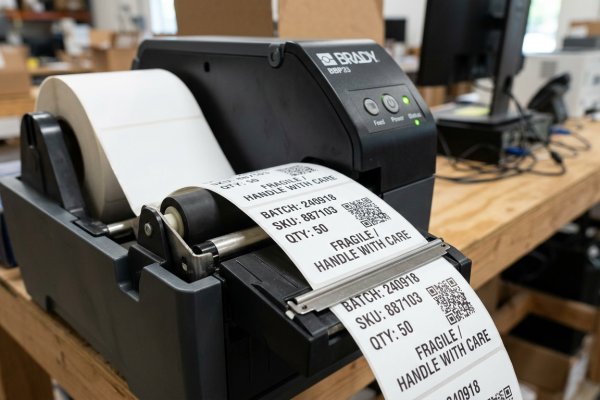
- Real-time inventory tracking with barcode or RFID scanning
- Advanced picking algorithms optimizing warehouse efficiency
- Comprehensive reporting and analytics dashboards
- Mobile accessibility for on-the-go business management
- Automated reorder point notifications
Technology investment signals a 3PL's commitment to operational excellence and continuous improvement. Providers leveraging cutting-edge systems typically deliver higher accuracy rates, faster processing times, and better overall customer experiences.
7. Service Level Agreements and Performance Metrics
Clear service level agreements (SLAs) establish expectations and accountability. These contractual commitments should define specific, measurable standards for all aspects of fulfilment operations.
Critical SLA components include:
- Order accuracy rates (typically 99.5% or higher)
- Processing timeframes for standard orders
- Inventory accuracy standards
- Communication response times
- Damage and loss rates
Beyond establishing these metrics, examine how providers monitor and report performance. Regular reporting demonstrates transparency and provides data for continuous optimization discussions. Penalties for missed SLAs provide additional assurance of provider commitment to excellence.
8. Value-Added Services Beyond Basic Fulfilment
Comprehensive 3PL providers offer value-added services that extend beyond basic pick, pack, and ship operations. These additional capabilities can eliminate the need for multiple vendor relationships while creating unique customer experiences.
Common value-added services include:
- Kitting and assembly for promotional bundles
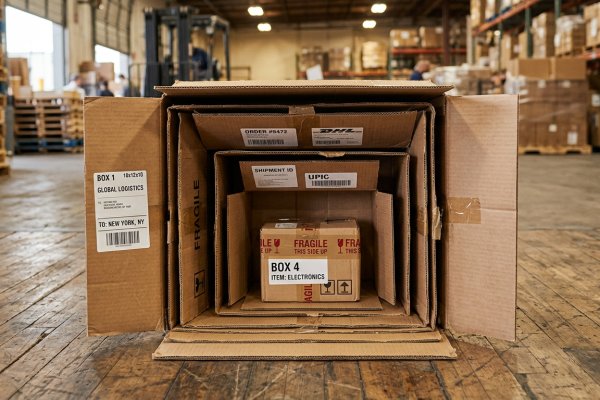
- Custom packaging and branded unboxing experiences
- Product photography and content creation
- Quality control inspections
- Gift wrapping and personalization
- Returns processing and refurbishment
These services transform your 3PL from a transactional vendor into a strategic partner contributing to brand differentiation and customer satisfaction. When evaluating providers, consider both current needs and services you might require as your business evolves.
9. Geographic Positioning and Distribution Strategy
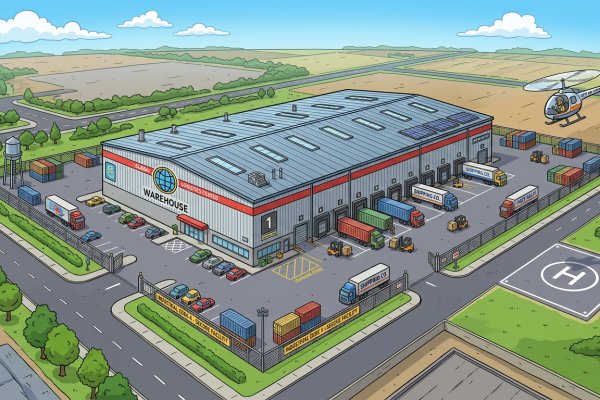
Your 3PL's physical location significantly impacts delivery speeds and transportation costs. Central UK locations provide optimal access to major population centers, though specific positioning depends on your customer distribution.
Leicester-based operations, for instance, offer exceptional connectivity via the M1, M69, and proximity to major transport hubs. This positioning enables efficient distribution to Manchester, Liverpool, Leeds, Birmingham, and London within hours. For businesses serving customers throughout England, Scotland, and Wales, central locations minimize average delivery distances.
Consider analyzing your customer geographic distribution using historical order data. If concentration exists in specific regions, weight this factor when selecting between potential 3PL partners with different warehouse locations.
10. Customer Service and Communication Standards
Exceptional customer service from your 3PL provider directly impacts your brand reputation. When fulfilment issues arise—and inevitably they will—responsive communication and proactive problem-solving minimize customer dissatisfaction.
Evaluate potential partners on:
- Account manager accessibility and responsiveness
- Dedicated support contacts versus general helplines
- Communication channels offered (phone, email, chat, portal)
- Issue escalation procedures and resolution timeframes
- Transparency during operational challenges
The quality of day-to-day interactions often proves more valuable than perfect operations. A partner who communicates proactively, acknowledges issues honestly, and works collaboratively toward solutions builds trust that withstands inevitable operational hiccups.
Making Your Decision
Selecting the right 3PL provider requires balancing multiple factors against your specific business needs. While cost per pallet provides important financial parameters, technology integration, transportation capabilities, and service quality equally influence long-term success.
Begin your evaluation by clearly defining requirements across each consideration discussed above. Create a weighted scoring system reflecting your priorities, whether that's Magento integration, cost optimization, or regional expertise in areas like Nottingham and the East Midlands.
Request proposals from multiple providers, including detailed cost breakdowns, technical capabilities documentation, and client references. Speaking with current clients provides invaluable insights into day-to-day partnership realities that marketing materials might not reveal.
Remember that the cheapest option rarely delivers the best value. A slightly higher cost per pallet becomes irrelevant when superior technology, service, and reliability eliminate costly errors, improve customer satisfaction, and enable business growth. Consider the total cost of partnership, including time saved, operational efficiency gained, and customer experience improvements delivered.
Conclusion
The right 3PL partnership functions as a competitive advantage, enabling you to focus on core business activities while experts handle fulfilment complexities. By carefully evaluating providers across these ten critical considerations—from transparent pallet pricing to sophisticated Magento integration, robust transportation networks to regional expertise—you position your business for scalable, sustainable growth.
Whether you're a growing e-commerce business in Nottingham, an established Magento merchant, or anywhere in between, investing time in thorough 3PL evaluation pays dividends through improved operations, happier customers, and stronger bottom lines. The fulfilment landscape continues evolving with new technologies and changing customer expectations, making adaptable, forward-thinking partnerships more valuable than ever.
Take the comprehensive approach outlined above, prioritize factors most critical to your specific business model, and select a partner aligned with both current needs and future ambitions. Your fulfilment provider should grow alongside you, adapting to changing requirements while maintaining the service excellence your customers deserve.