The landscape of third-party logistics in the United Kingdom has transformed dramatically over recent years, with businesses increasingly recognizing the strategic value of partnering with specialized UK 3PL providers. As e-commerce continues its exponential growth and supply chain complexities multiply, companies across Birmingham, Nottingham, and the broader UK market are seeking sophisticated logistics solutions that combine efficiency, sustainability, and technological innovation.
Understanding Modern 3PL Services in the UK
Third-party logistics providers have evolved far beyond simple warehousing operations. Today's UK 3PL fulfilment specialists offer comprehensive supply chain management solutions that encompass everything from inventory management and order processing to sophisticated distribution strategies and returns handling. These providers serve as strategic partners, enabling businesses to focus on their core competencies while logistics experts handle the intricate details of product storage, picking, packing, and shipping.
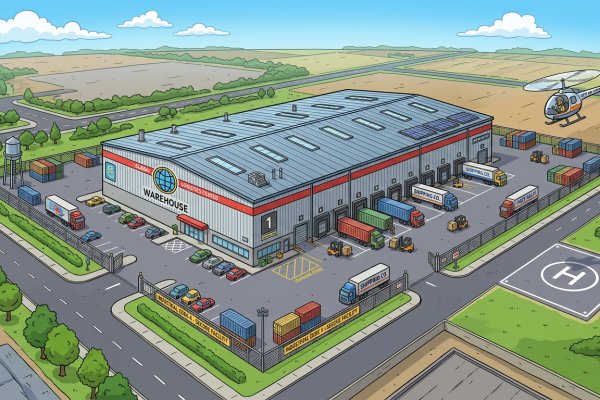
The geographical positioning of facilities plays a crucial role in logistics efficiency. Cities like Birmingham and Nottingham have emerged as strategic hubs within the UK logistics network, offering excellent connectivity to major motorway systems and proximity to substantial consumer populations. These locations provide businesses with the ability to reach customers across England efficiently, reducing delivery times and transportation costs.
Cross Docking: Revolutionizing Distribution Efficiency
Among the most impactful innovations in modern logistics, cross docking has transformed how goods flow through the supply chain. This technique minimizes traditional warehousing by transferring products directly from inbound to outbound transportation with minimal or no storage time in between.
The Mechanics of Cross Docking Operations
Cross docking operates on a principle of continuous movement. When shipments arrive at a fulfilment warehouse, products are immediately sorted and consolidated based on their final destinations. Rather than being stored on warehouse shelves, items are transferred directly to outbound vehicles, often within hours of arrival.
This approach delivers multiple advantages:
- Reduced handling costs through minimized product touching and movement
- Lower inventory holding expenses as products spend less time in facilities
- Decreased warehouse space requirements enabling more efficient facility utilization
- Faster order fulfilment resulting in improved customer satisfaction
- Enhanced product freshness particularly critical for perishable goods
Cross Docking Applications Across Industries
Different sectors leverage cross docking in specialized ways. Retailers utilize this technique to receive products from multiple suppliers and consolidate them for distribution to individual stores. The food industry benefits particularly from cross docking due to the time-sensitive nature of perishable products. Manufacturing operations employ cross docking to streamline component delivery, ensuring production lines receive materials precisely when needed without excess inventory accumulation.
For B2B fulfilment operations, cross docking enables efficient handling of large shipments that need to be broken down and redistributed to multiple business customers. This proves especially valuable in Birmingham's diverse industrial landscape, where manufacturers and distributors require responsive, flexible logistics solutions.
Sustainability in UK Logistics Operations
Environmental responsibility has transitioned from optional consideration to business imperative within the logistics sector. Forward-thinking UK 3PL providers are implementing comprehensive sustainability strategies that address carbon emissions, resource consumption, and waste management throughout their operations.
Green Warehousing Initiatives
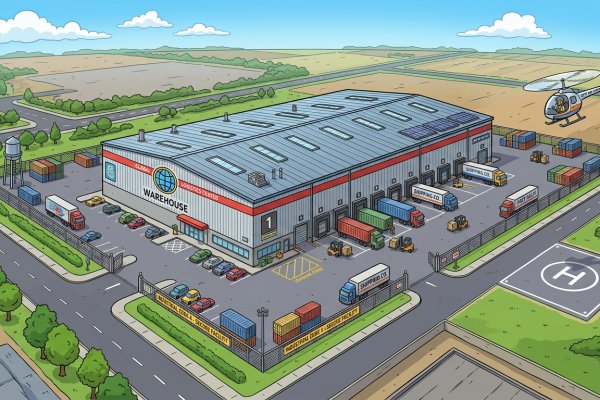
Modern warehouse facilities are incorporating numerous environmental innovations. Solar panel installations on warehouse rooftops generate renewable energy, significantly reducing reliance on grid electricity. Advanced LED lighting systems with motion sensors minimize energy consumption while maintaining optimal working conditions. Building insulation improvements and efficient heating systems reduce energy waste, particularly important in larger facilities serving the Nottingham and Birmingham regions.
Water management systems capture and recycle rainwater for facility operations, while waste reduction programs ensure packaging materials and pallets are recycled or reused whenever possible. These initiatives collectively reduce the environmental footprint of warehousing operations while often delivering cost savings that benefit both providers and clients.
Sustainable Transportation Strategies
Transportation represents the largest source of carbon emissions within logistics operations. Progressive 3PL providers are addressing this through multiple approaches. Fleet electrification programs introduce electric and hybrid vehicles for last-mile deliveries, particularly effective in urban areas where shorter routes suit current battery technology limitations.
Route optimization software powered by artificial intelligence reduces unnecessary mileage by calculating the most efficient delivery sequences. Consolidated shipping combines orders heading to similar destinations, maximizing vehicle capacity utilization and reducing the total number of journeys required.
The combination of cross docking and sustainable transportation creates particularly powerful synergies. By reducing storage time and streamlining product flows, cross docking naturally minimizes the total distance products travel through the supply chain, contributing to lower overall emissions.
Birmingham: A Midlands Logistics Powerhouse
Birmingham's position at the heart of the UK motorway network makes it an exceptional logistics location. The city's proximity to the M6, M5, and M42 motorways provides unparalleled access to markets across England, Wales, and Scotland. For businesses utilizing UK fulfilment services, Birmingham-area facilities can reach approximately 90% of the UK population within a four-hour drive.
Birmingham's Industrial Heritage and Modern Logistics
The city's manufacturing heritage has evolved into a sophisticated logistics and distribution economy. Extensive industrial estates and modern warehouse developments provide ample space for 3PL operations. Birmingham's diverse economy generates substantial freight volumes, supporting efficient transportation networks and competitive shipping rates.
The availability of skilled warehouse workers, transport professionals, and logistics managers makes Birmingham attractive for companies establishing or expanding fulfilment operations. Educational institutions in the region produce graduates with supply chain and logistics qualifications, ensuring a pipeline of talent for the industry.
Nottingham: Strategic Location with Excellent Connectivity
Nottingham occupies a strategic position in the East Midlands, offering excellent access to the A1, M1, and A46 road networks. This connectivity makes Nottingham particularly valuable for businesses serving customers across the eastern regions of England while maintaining reasonable access to northern and southern markets.
Nottingham's Logistics Infrastructure
The city benefits from significant investment in logistics infrastructure, with modern warehouse developments and distribution parks providing state-of-the-art facilities. Proximity to East Midlands Airport adds value for businesses requiring air freight capabilities or operating in industries where speed-to-market proves critical.
Nottingham's relatively lower property costs compared to southern UK locations make it economically attractive for website fulfilment operations seeking to optimize their cost structures without sacrificing connectivity. The city's continued growth and development ensure ongoing improvements to transportation infrastructure and logistics capabilities.
Integrating Technology with 3PL Services
Contemporary 3PL operations depend heavily on sophisticated technology platforms. Warehouse Management Systems (WMS) coordinate every aspect of inventory handling, from receiving and putaway to picking and dispatch. These systems integrate with client e-commerce platforms and marketplaces, enabling real-time inventory visibility and automated order processing.
API data integrations create seamless information flows between businesses and their 3PL providers. Orders automatically transfer to the warehouse system within seconds of being placed, triggering immediate fulfilment processes. Inventory updates synchronize continuously, preventing overselling and ensuring accurate stock information across all sales channels.
Advanced Tracking and Traceability
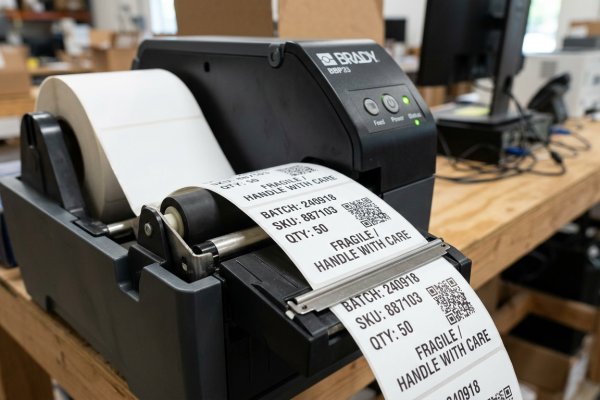
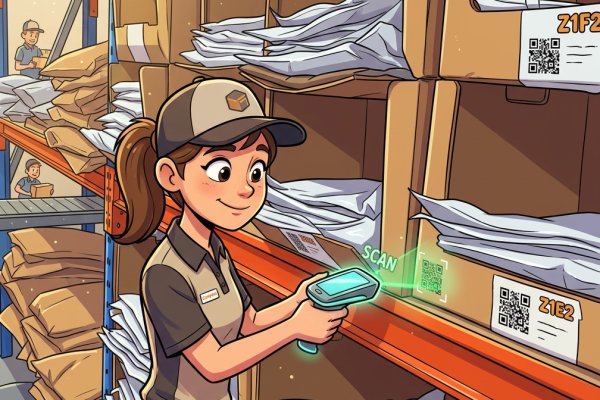
Modern fulfilment operations provide unprecedented visibility into product movements. Barcode scanning and RFID technology track items throughout the warehouse journey, from goods receipt through to dispatch. This stock traceability proves invaluable for quality control, particularly in regulated industries like cosmetics and food products.
For products with expiry and batch numbers, sophisticated systems ensure oldest stock ships first while maintaining complete records of which batch numbers were sent to specific customers. This capability becomes critical during product recalls or quality investigations.
Choosing the Right 3PL Partner
Selecting an appropriate 3PL provider requires careful evaluation of multiple factors. Geographic coverage matters significantly—providers with facilities strategically positioned across the UK can optimize delivery times and costs. However, businesses should look beyond simple location to consider the provider's expertise in their specific industry sector.
Specialized experience in clothing storage and distribution, beauty products, or other categories ensures the provider understands unique handling requirements, regulatory compliance needs, and customer expectations within that sector.
Scalability and Flexibility
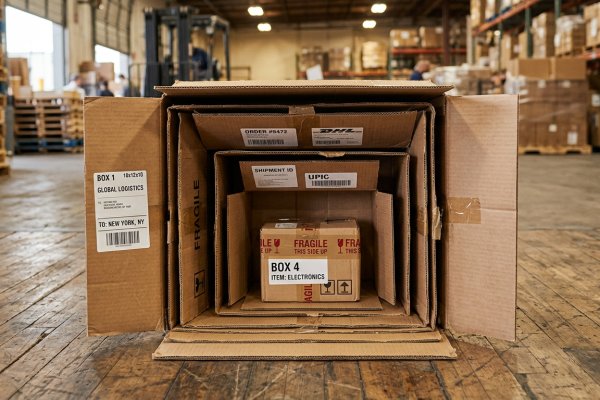
Growth-oriented businesses require 3PL partners capable of scaling operations efficiently. The ability to handle seasonal demand fluctuations without compromising service quality distinguishes exceptional providers from merely adequate ones. Contract packing capabilities add valuable flexibility, enabling businesses to offer promotional bundles, gift sets, or customized packaging without establishing their own packing operations.
Integration with marketplace platforms like Amazon FBA and Amazon FBM demonstrates a provider's technical sophistication and understanding of modern retail channels. Businesses selling through multiple platforms benefit from 3PL providers who can seamlessly manage inventory across these channels while maintaining optimal stock levels.
The Future of UK 3PL Services
The logistics industry continues evolving rapidly, driven by technological advancement, sustainability imperatives, and changing consumer expectations. Automation technologies including robotics and artificial intelligence are progressively being implemented in warehouse operations, enhancing accuracy and efficiency while addressing labor challenges.
Sustainability will increasingly differentiate leading 3PL providers from competitors. Businesses and consumers alike are demanding environmentally responsible logistics, making green credentials essential for long-term success. Providers investing in electric vehicles, renewable energy, and circular economy principles position themselves advantageously for future market conditions.
The geographic distribution of logistics facilities will continue adapting to changing demand patterns. While locations like Birmingham and Nottingham will remain important due to their strategic positioning, the growth of same-day and next-day delivery expectations may drive additional micro-fulfilment centers closer to major population centers.
For businesses navigating these complex decisions, partnering with an experienced UK warehouse provider offers significant advantages. Whether operating from Leicester, serving customers in Birmingham and Nottingham, or distributing nationwide, the right 3PL relationship transforms logistics from operational challenge into competitive advantage, enabling businesses to grow confidently while delivering exceptional customer experiences.