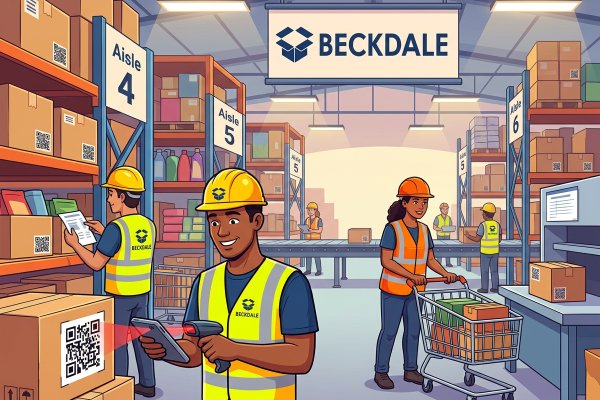
The landscape of ecommerce fulfilment has transformed dramatically over the past decade, with Direct-to-Consumer (D2C) brands reshaping how products move from manufacturers to customers' doorsteps. At the heart of this revolution, Bristol has quietly emerged as one of the UK's most strategic locations for fulfilment operations, offering unique advantages for businesses managing imports, parcel distribution, and last-mile delivery.
Why Bristol's Geography Makes It a Fulfilment Powerhouse
Bristol's position in the South West of England provides exceptional connectivity that many businesses overlook when selecting fulfilment locations. The city sits at a crucial intersection of major motorway networks, with the M4 and M5 providing direct access to London, the Midlands, Wales, and the entire South West region.
For D2C brands, this geographical advantage translates into reduced shipping times and costs across multiple key markets. A fulfilment centre in Bristol can typically reach 90% of the UK population within a day's delivery window, making it an ideal location for brands promising rapid dispatch times to customers.
Port Proximity and Import Advantages
One of Bristol's most significant yet underappreciated assets is its proximity to major import gateways. The Port of Bristol at Avonmouth and Royal Portbury Dock handles millions of tonnes of cargo annually, while nearby Southampton and Felixstowe ports are easily accessible via the motorway network.
This proximity offers several advantages for D2C businesses managing international supply chains:
- Reduced transportation costs from port to fulfilment centre
- Faster processing times for imported goods
- Greater flexibility in managing customs clearance and inspections
- Lower carbon footprint compared to longer inland transportation routes
- Better inventory visibility throughout the import process
The D2C Fulfilment Challenge in Modern Ecommerce
Direct-to-Consumer brands face unique fulfilment challenges that differ significantly from traditional B2B or wholesale operations. Understanding these challenges helps explain why strategic location selection has become such a critical business decision.
Speed and Customer Expectations
Today's online shoppers expect next-day or even same-day delivery as standard. D2C brands competing against retail giants must meet these expectations without the massive infrastructure investments of established players. A Bristol-based fulfilment operation benefits from centralized access to population centres while maintaining competitive operational costs.
Managing Import Complexity
Many D2C brands source products internationally, whether from European suppliers or manufacturers in Asia. Post-Brexit, managing imports has become increasingly complex, with customs documentation, duty calculations, and compliance requirements adding layers of complexity to supply chain operations.
Bristol's established infrastructure for handling imports, combined with experienced freight forwarders and customs specialists in the region, provides D2C brands with the expertise and resources needed to navigate these challenges efficiently. Companies like www.beckdaleshipping.co.uk offer specialized services that help businesses streamline their import and fulfilment processes.
Parcel Force and Last-Mile Delivery Considerations
The final leg of any D2C delivery journey—the last mile—often represents the most expensive and complex part of the fulfilment process. Bristol's strategic position within the Parcel Force network and other major carriers' distribution systems provides significant operational advantages.
Carrier Hub Proximity
Major parcel carriers, including Parcel Force, Royal Mail, DPD, and others, maintain significant distribution operations in and around Bristol. This concentration of carrier infrastructure means:
- Earlier cut-off times for same-day dispatch
- More frequent collection services
- Better pricing through competitive carrier options
- Reduced risk of delayed handovers during peak periods
- Greater flexibility in selecting delivery speed options for customers
For D2C brands, these advantages translate directly into improved customer satisfaction scores and reduced shipping costs—two metrics that can make or break an ecommerce operation's profitability.
Technology and Infrastructure in Bristol's Fulfilment Sector
Bristol has developed a robust ecosystem supporting modern fulfilment operations. The city's combination of warehouse facilities, technology providers, and skilled workforce creates an environment where D2C businesses can scale efficiently.
Modern Warehouse Facilities
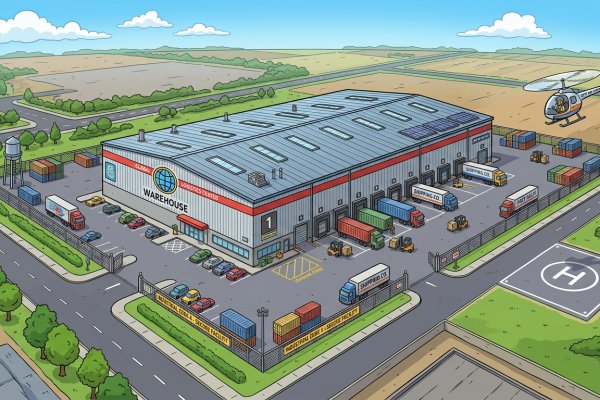
The Bristol area has seen significant investment in modern warehouse facilities designed specifically for ecommerce fulfilment. These facilities typically feature:
- High-bay storage systems maximizing space efficiency
- Climate-controlled areas for sensitive products
- Advanced security systems protecting valuable inventory
- Efficient picking and packing zones optimized for order processing
- Returns processing areas handling the inevitable reverse logistics
Workforce and Skills
Bristol's diverse economy and multiple universities provide a steady supply of skilled workers familiar with modern fulfilment technologies. From warehouse operatives experienced in pick-and-pack operations to logistics managers coordinating complex supply chains, the local talent pool supports businesses at every growth stage.
Cost Considerations for D2C Fulfilment in Bristol
While London might seem like an obvious choice for D2C operations due to market proximity, Bristol offers significantly better cost structures without sacrificing delivery performance to the capital and surrounding regions.
Property and Operating Costs
Warehouse rental costs in Bristol typically run 30-40% lower than equivalent facilities in the London area or South East. This substantial saving allows D2C brands to allocate more resources toward marketing, product development, or customer acquisition rather than fixed overhead costs.
Labour Cost Advantages
While maintaining competitive wages that attract quality staff, Bristol's labour costs remain more manageable than London while offering similar or superior productivity levels. The city's quality of life also contributes to lower staff turnover rates, reducing recruitment and training costs over time.
Integrating Imports with Fulfilment Operations
For D2C brands managing international supply chains, the ability to seamlessly integrate import processes with fulfilment operations creates significant competitive advantages. Bristol's infrastructure supports this integration in several ways.
Consolidated Operations
Rather than managing separate facilities for receiving imports and fulfilling customer orders, Bristol's location allows businesses to consolidate these operations. Products can move directly from customs clearance through quality inspection to warehouse storage and customer dispatch within a single, streamlined workflow.
Inventory Management Benefits
Consolidated operations enable better inventory visibility and control. Businesses can accurately track stock from the moment containers arrive at port through every stage of processing, storage, and dispatch. This visibility reduces the risk of stockouts while minimizing excess inventory holding costs.
Working with experienced partners such as www.beckdaleshipping.co.uk can help businesses optimize these consolidated operations, ensuring smooth transitions between import arrival and customer fulfilment.
Future Trends Shaping Bristol's Fulfilment Sector
Several emerging trends position Bristol to maintain and strengthen its role as a fulfilment hub for D2C brands in coming years.
Sustainability Focus
Bristol's commitment to environmental sustainability aligns with growing consumer expectations around eco-friendly business practices. The city's green initiatives and excellent public transport links make it attractive for businesses prioritizing sustainability in their supply chain operations.
Technology Adoption
The region's technology sector supports ongoing innovation in fulfilment operations, from automated warehouse systems to advanced inventory management software. D2C brands based in Bristol can access cutting-edge solutions that improve efficiency and reduce errors.
Brexit Opportunities
While Brexit created challenges for import operations, it also opened opportunities for businesses that adapted quickly. Bristol's established import infrastructure and expertise have positioned it as a solution centre for brands navigating post-Brexit supply chain complexity.
Conclusion: Strategic Fulfilment for D2C Success
Bristol's emergence as a strategic fulfilment hub reflects the convergence of geography, infrastructure, expertise, and cost-effectiveness that D2C brands need to compete in today's demanding ecommerce environment. From managing complex import operations to ensuring rapid Parcel Force distribution across the UK, the city offers comprehensive advantages that translate directly into improved customer satisfaction and business profitability.
For D2C brands evaluating fulfilment strategies, Bristol represents more than just another logistics location—it offers a competitive advantage built on decades of trade infrastructure, modern facilities, and a forward-thinking approach to supply chain management. As ecommerce continues evolving and customer expectations keep rising, Bristol's strategic position ensures it will remain at the forefront of UK fulfilment operations for years to come.