TikTok Revolutionizes UK 3PL: Automation Shock
The landscape of UK fulfilment is experiencing an unprecedented transformation, and the catalyst might surprise you: TikTok. This social media platform has become far more than entertainment—it's fundamentally reshaping how third-party logistics providers operate, forcing a complete reimagining of inventory management and warehouse automation across Britain. From Manchester to Birmingham, and especially in Leicester where innovative providers are leading the charge, the 3PL industry is witnessing a technological revolution driven by viral commerce.
The TikTok Effect on UK 3PL Operations
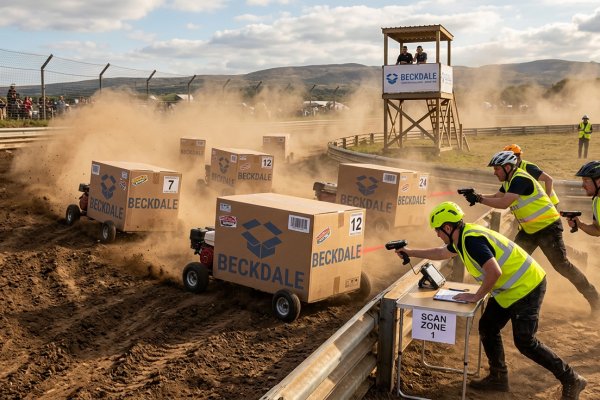
When TikTok Shop launched in the UK, few logistics professionals anticipated the seismic shift it would trigger. Traditional ecommerce follows predictable patterns—steady sales cycles, forecasted inventory needs, and manageable peak periods. TikTok commerce operates on an entirely different paradigm. A single video going viral can generate thousands of orders within hours, creating what industry insiders call "flash demand events" that challenge conventional inventory management systems.
For UK 3PL providers, this means adapting to unprecedented volatility. A beauty product featured in a viral makeup tutorial can sell out nationwide in forty-eight hours. A gadget demonstrated in a clever hack video might generate more orders in a weekend than traditional retail channels produce in months. This phenomenon has forced fulfilment centres across London, Edinburgh, and the Midlands to completely rethink their operational frameworks.
Understanding Viral Commerce Patterns
The data emerging from TikTok-driven sales reveals fascinating patterns. Unlike traditional marketing campaigns that build gradually, TikTok virality follows exponential curves. Orders don't trickle in—they flood. This creates unique challenges for B2C fulfilment operations that must maintain accuracy and speed under sudden pressure spikes.
Automation: The Only Viable Response
Manual warehouse operations simply cannot scale fast enough to accommodate TikTok-induced demand surges. This reality has accelerated automation adoption across the UK 3PL fulfilment sector at a rate previously unseen. What might have taken a decade of gradual technological integration is now happening in months, driven by operational necessity rather than strategic planning.
Intelligent Picking Systems
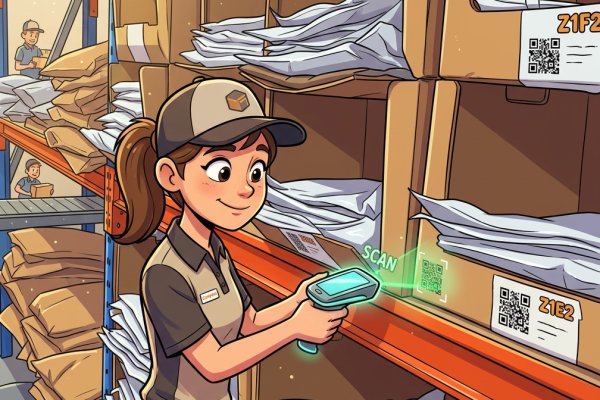
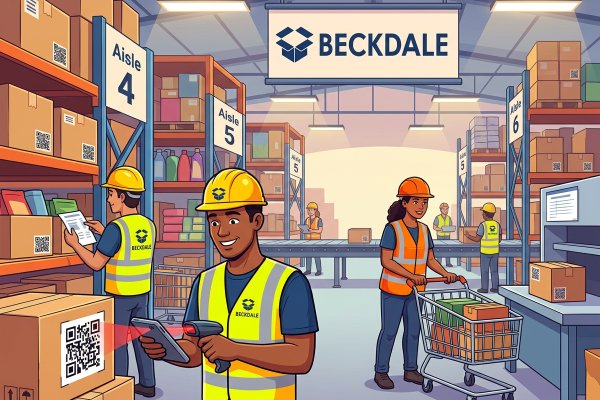
Modern fulfilment warehouses are deploying sophisticated picking technologies that combine robotics with artificial intelligence. These systems can instantly prioritize orders based on real-time social media trends, automatically allocating resources to products experiencing viral momentum. When a TikTok video gains traction, these systems detect the corresponding order pattern and redistribute warehouse capacity accordingly.
- Autonomous mobile robots (AMRs) that navigate warehouse floors, bringing products to pickers rather than requiring human workers to walk miles daily
- Computer vision systems that verify product selection with near-perfect accuracy, eliminating the costly errors that surge during high-volume periods
- Predictive algorithms that analyze TikTok engagement metrics to forecast demand before orders actually materialize
- Automated packing stations that adjust to different product dimensions without human intervention, maintaining throughput during unexpected volume spikes
The Technology Stack Behind Modern 3PL
Supporting these physical automation systems requires a sophisticated technology infrastructure. Contemporary UK warehouses operate multiple integrated systems that communicate in real-time, creating an ecosystem responsive enough to handle TikTok's unpredictability.
Warehouse management systems (WMS) have evolved from simple inventory tracking tools into complex orchestration platforms. These systems now integrate directly with social media analytics, monitoring engagement metrics that signal impending demand surges. When TikTok videos reach certain view thresholds, advanced WMS platforms can automatically trigger restocking protocols, adjust staffing schedules, and reallocate warehouse space—all without human intervention.
Revolutionary Inventory Management Approaches
Traditional inventory management relies on historical data and seasonal forecasting. TikTok commerce has rendered these methods insufficient, forcing the development of entirely new inventory strategies that providers in Glasgow, Bristol, and Cardiff are rapidly adopting.
Real-Time Demand Sensing
Progressive UK warehouse operators now employ real-time demand sensing technologies that monitor social media platforms continuously. These systems don't wait for actual orders to trigger restocking—they anticipate demand based on content engagement patterns. When a product appears in videos accumulating views and shares, inventory algorithms adjust safety stock levels proactively.
This approach has proven particularly valuable for beauty products and clothing, sectors where TikTok influence is strongest. Brands working with forward-thinking 3PLs can now maintain optimal inventory levels despite the platform's inherent unpredictability.
Dynamic Storage Allocation
Fixed storage locations have become obsolete in the TikTok era. Modern facilities implement dynamic slotting algorithms that continuously reorganize inventory based on velocity patterns. A product experiencing viral attention automatically migrates to premium picking locations, minimizing retrieval time and maximizing throughput capacity.
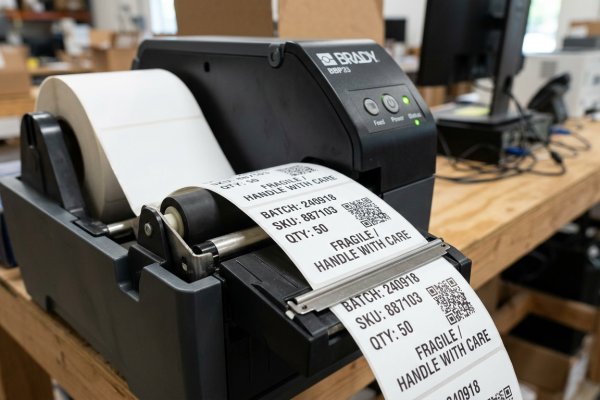
This technology extends to stock traceability systems that maintain complete product history even as items move throughout the facility. For regulated products, including food items, this ensures batch tracking and expiry management remains accurate despite the chaos of viral commerce.
Integration Challenges and Solutions
Connecting TikTok Shop with existing ecommerce infrastructure presents unique technical challenges. Unlike established platforms with mature APIs and documentation, TikTok's commerce features evolved rapidly, requiring 3PL providers to develop flexible integration approaches.
Multi-Channel Orchestration
Most brands selling on TikTok also maintain presences on Amazon, Shopify, and traditional webshops. This creates complex inventory allocation problems—especially when viral TikTok demand threatens to deplete stock needed for other channels. Sophisticated website fulfilment systems now employ intelligent inventory reservation algorithms that balance channel priorities dynamically.
Forward-thinking providers have developed integration frameworks that treat TikTok as just another sales channel within a unified commerce ecosystem. These systems synchronize inventory across platforms in real-time, preventing overselling while maximizing sales opportunities. The technical architecture required for this orchestration represents a significant evolution from traditional FBM operations or even FBA models.
The Leicester Advantage: A Case Study in Innovation
Leicester has emerged as a surprising hub for 3PL innovation, with facilities implementing some of the UK's most advanced automation systems. The city's central location and excellent transport links provide practical advantages, but the real story is the concentration of technical expertise and willingness to invest in cutting-edge warehouse technology.
Leicester-based operations have pioneered several approaches now being replicated nationwide. These include predictive restocking based on TikTok analytics, automated contract packing systems that accommodate custom influencer collaborations, and courier integration platforms that optimize carrier selection based on delivery urgency and cost.
The Economic Impact on 3PL Pricing
Automation investments don't come cheap, raising questions about whether TikTok-capable fulfilment services will become prohibitively expensive. Surprisingly, early data suggests the opposite. While initial infrastructure costs are substantial, operational efficiency gains from automation actually reduce per-unit fulfilment costs over time.
For brands evaluating 3PL pricing, the key consideration is scalability. Traditional manual operations become exponentially more expensive during volume surges, requiring overtime labor and rushed shipping. Automated systems maintain consistent per-unit economics regardless of volume, making TikTok virality financially sustainable rather than a profitability threat.
Transparent Cost Structures
Progressive providers now offer pricing calculators that help brands understand fulfilment economics before committing. These tools account for TikTok-specific scenarios, modeling costs under various viral growth scenarios to help brands plan accordingly.
Beyond TikTok: Future-Proofing UK Fulfilment
While TikTok catalyzed this transformation, the technologies and processes being developed have applications far beyond one platform. The next viral commerce phenomenon—whether it's Instagram Shopping evolution, emerging platforms, or technologies we haven't yet imagined—will arrive to find a 3PL industry transformed and ready.
The automation and technology infrastructure deployed for TikTok commerce creates unprecedented flexibility. Facilities equipped to handle viral social commerce can easily accommodate traditional seasonal peaks, B2B fulfilment requirements, or specialty services like TV shopping channel packing. The investment in adaptable systems pays dividends across all fulfilment scenarios.
Choosing a TikTok-Ready 3PL Partner
For brands looking to capitalize on TikTok commerce opportunities, selecting the right logistics partner has become critical. Not all UK 3PLs have made the investments necessary to handle viral demand patterns effectively. When evaluating potential partners, brands should investigate several key capabilities:
- Automation maturity: What percentage of operations are automated versus manual? Can systems scale without adding proportional labor?
- Integration sophistication: How does the provider connect with TikTok Shop and other sales channels? Is inventory synchronized in real-time?
- Demand forecasting: Does the 3PL employ predictive analytics that incorporate social media signals?
- Scalability evidence: Can the provider demonstrate successful management of previous viral events without service degradation?
- Technology transparency: Will the provider share their warehouse management system capabilities and integration roadmap?
The Road Ahead
The convergence of social commerce, warehouse automation, and intelligent inventory management represents more than incremental improvement—it's a fundamental reimagining of how fulfilment operates. TikTok didn't create these technologies, but it created the urgent business case that accelerated their adoption across the UK logistics sector.
As we look forward, the competitive advantage will belong to brands that recognize this transformation early and partner with 3PL providers positioned at the forefront of innovation. The question is no longer whether to embrace automated, technology-driven fulfilment, but how quickly businesses can make the transition. For providers like www.beckdaleshipping.co.uk operating in Leicester's innovation corridor, the future of logistics is already here—it's just not evenly distributed yet.
The TikTok revolution in UK 3PL operations proves that disruption often comes from unexpected directions. Who could have predicted that a video-sharing app would fundamentally reshape warehouse technology and inventory management practices? Yet here we stand, in an industry transformed, more capable and efficient than ever before. The shock isn't that TikTok changed everything—it's how quickly the industry adapted, and how much better positioned we all are because of it.