Understanding Third-Party Logistics in Modern E-commerce
The e-commerce landscape has evolved dramatically over the past decade, and with it, the complexity of managing inventory, fulfillment, and shipping has grown exponentially. Third-party logistics providers, commonly known as 3PLs, have emerged as essential partners for businesses seeking to streamline their operations and focus on core competencies. Whether you're running a small Shopify store or managing a large-scale international operation, understanding how 3PL services work can be transformative for your business.
A 3PL provider takes responsibility for various aspects of your supply chain, from warehousing and inventory management to order fulfillment and shipping. This partnership allows businesses to scale efficiently without the substantial capital investment required to build and maintain their own warehousing and logistics infrastructure.
The Critical Role of Warehouse Management Systems
At the heart of any professional 3PL operation lies a sophisticated Warehouse Management System (WMS). This technology platform serves as the central nervous system for inventory control, order processing, and logistics coordination. A robust WMS provides real-time visibility into stock levels, automates picking and packing processes, and ensures accuracy throughout the fulfillment cycle.
Key Features of Modern WMS Platforms
- Real-time inventory tracking across multiple locations and channels
- Automated order routing to optimize fulfillment efficiency
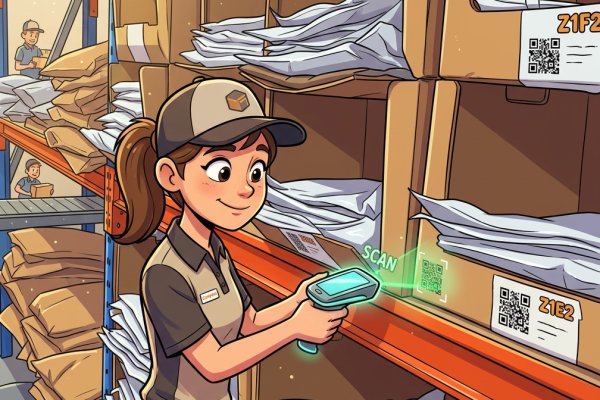
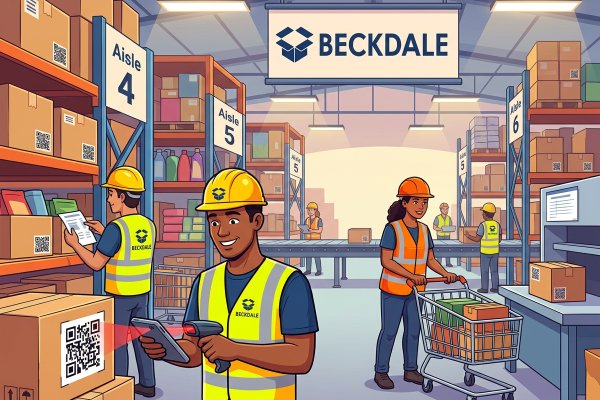
- Barcode scanning integration for accuracy and speed
- Returns management capabilities for reverse logistics
- Reporting and analytics for data-driven decision making
- Integration capabilities with e-commerce platforms and marketplaces
The difference between a 3PL with an advanced WMS and one without is substantial. Businesses partnering with technologically advanced providers like www.beckdaleshipping.co.uk benefit from reduced errors, faster processing times, and complete transparency into their inventory and order status.
WMS Integration with E-commerce Platforms
The seamless connection between a WMS and your sales channels eliminates manual data entry and reduces the risk of overselling or stockouts. When an order is placed through your online store, the WMS automatically receives the information, allocates inventory, and initiates the picking and packing process. This automation is particularly crucial for businesses experiencing rapid growth or seasonal demand fluctuations.
Shopify and 3PL Integration: A Perfect Partnership
Shopify has become one of the world's leading e-commerce platforms, powering millions of businesses globally. The platform's success is partly due to its extensive ecosystem of integrations, including seamless connections with third-party logistics providers.
Benefits of Connecting Shopify with a 3PL
When you integrate your Shopify store with a 3PL service, you create an automated fulfillment pipeline that operates with minimal manual intervention. Orders flow directly from your Shopify admin panel to your 3PL's warehouse management system, where they're processed, packed, and shipped according to your specifications.
This integration offers several compelling advantages:
- Automated order fulfillment: Orders sync automatically, eliminating manual entry and reducing processing time
- Real-time inventory updates: Stock levels update across all sales channels simultaneously, preventing overselling
- Automatic tracking information: Shipping details and tracking numbers populate in Shopify automatically
- Multi-location inventory: Manage stock across multiple 3PL facilities from a single Shopify dashboard
- Scalability: Handle volume spikes without additional infrastructure investment
Setting Up Shopify-3PL Integration
The setup process typically involves granting your 3PL provider access to your Shopify store through API connections. Most established 3PLs have standardized integration processes that can be completed within days. Once connected, you can configure shipping rules, inventory allocation preferences, and customize packing requirements to match your brand standards.
Understanding 3PL Cost Per Pallet Pricing Models
One of the most common questions businesses ask when considering 3PL services is: "How much will this cost?" While pricing structures vary between providers, cost per pallet is a fundamental component of most 3PL pricing models.
What is Pallet Storage Pricing?
Pallet storage fees are charged based on the amount of warehouse space your inventory occupies. A standard UK pallet measures 1200mm x 1000mm, and providers typically charge a monthly fee per pallet position. This rate can vary significantly depending on several factors:
- Location: Warehouse facilities near major ports or urban centers typically command higher rates
- Storage duration: Long-term storage may qualify for discounted rates
- Pallet type: Full pallets versus partial pallets may have different pricing structures
- Special requirements: Temperature-controlled storage or hazardous materials increase costs
- Volume commitment: Higher volumes often result in better per-pallet rates
Typical Cost Per Pallet Ranges
In the UK market, 3PL cost per pallet typically ranges from £8 to £20 per pallet per week, though this can vary substantially based on the factors mentioned above. It's essential to understand that pallet storage is just one component of 3PL pricing. Most providers also charge for:
- Receiving and putaway: Processing incoming inventory
- Pick and pack fees: Processing individual orders
- Shipping costs: Carrier charges plus potential handling fees
- Special services: Kitting, custom packaging, or returns processing
Evaluating Total 3PL Costs
When comparing 3PL providers, it's crucial to look beyond the headline pallet rate and consider the total cost of service. A provider with slightly higher storage costs but more efficient picking processes and better shipping rates may ultimately be more economical. Request detailed quotes that break down all fees and consider running scenarios based on your typical order volumes and inventory levels.
Navigating UK Import Logistics with 3PL Partners
For businesses importing goods into the United Kingdom, partnering with a 3PL that understands customs regulations and import procedures is invaluable. Post-Brexit, UK import requirements have become more complex, making expert guidance essential for smooth operations.
The UK Import Process
Importing goods into the UK involves several critical steps that a knowledgeable 3PL can help navigate:
- Customs declarations: Proper documentation and commodity coding
- Duty and VAT calculations: Understanding applicable charges and payment mechanisms
- Compliance verification: Ensuring products meet UK regulatory standards
- Port or airport coordination: Managing the physical movement of goods
- Warehousing upon arrival: Secure storage once cleared through customs
How 3PLs Simplify UK Imports
Experienced 3PL providers maintain relationships with customs brokers, freight forwarders, and carriers, creating a seamless import pipeline. They can often consolidate shipments to reduce costs and manage the entire process from factory to warehouse shelf. This end-to-end service is particularly valuable for businesses without in-house logistics expertise.
Many 3PLs also offer bonded warehouse facilities, where goods can be stored without immediately paying import duties. This arrangement provides cash flow advantages and flexibility for businesses that may re-export goods or want to defer duty payments until products are sold.
Documentation and Compliance
Proper documentation is critical for UK imports. Your 3PL partner should assist with or manage:
- Commercial invoices with accurate product descriptions and values
- Packing lists detailing shipment contents
- Certificates of origin when required for preferential duty rates
- EORI numbers for customs identification
- Product compliance documentation for regulated items
Working with a provider such as www.beckdaleshipping.co.uk that has established import processes can significantly reduce delays and avoid costly compliance issues.
Choosing the Right 3PL Partner for Your Business
Selecting a 3PL provider is a strategic decision that can significantly impact your business operations and customer satisfaction. Beyond pricing considerations, evaluate potential partners on several key criteria:
Technology and Integration Capabilities
Ensure the 3PL's WMS can integrate with your Shopify store and any other sales channels you use. Ask about API capabilities, reporting features, and the user interface for managing your account.
Experience and Specialization
Some 3PLs specialize in particular industries or product types. A provider experienced in your sector will understand your unique requirements and potential challenges.
Scalability and Flexibility
Your business needs will evolve, so choose a partner that can accommodate growth and seasonal fluctuations without requiring you to change providers or renegotiate contracts constantly.
Location and Service Coverage
Strategic warehouse locations reduce shipping times and costs. If you're importing into the UK, proximity to major ports can also streamline your supply chain.
Customer Service and Communication
You need a partner that's responsive and proactive. During the evaluation process, pay attention to how quickly they respond to inquiries and the depth of their answers.
The Future of 3PL Services
The logistics industry continues to evolve rapidly, with emerging technologies and changing consumer expectations driving innovation. Forward-thinking 3PL providers are investing in automation, artificial intelligence, and sustainable practices to deliver better service while controlling costs.
As e-commerce continues its growth trajectory, the role of 3PL providers will become even more critical. Businesses that establish strong partnerships with capable logistics providers position themselves to compete effectively in an increasingly demanding marketplace.
Whether you're launching your first Shopify store or managing complex international operations with UK imports, understanding 3PL services, WMS technology, and pricing structures empowers you to make informed decisions. The right 3PL partnership transforms logistics from a potential obstacle into a competitive advantage, allowing you to focus on growing your business while experts handle the complexities of fulfillment and distribution.