In the heart of England's industrial powerhouse, Birmingham businesses are experiencing a transformation in how they approach storage and fulfillment. As the B2B sector continues to evolve alongside digital commerce platforms like Shopify, the demand for sophisticated storage solutions has never been greater. Understanding how to optimize warehouse space, implement efficient picking bin systems, and integrate physical operations with digital platforms has become essential for competitive advantage.
The Birmingham Advantage for B2B Storage Operations
Birmingham's strategic location at the center of the UK's motorway network makes it an ideal hub for businesses requiring robust storage and distribution capabilities. The city's rich manufacturing heritage has evolved into a modern logistics ecosystem, where traditional warehousing meets cutting-edge fulfillment technology.
The Midlands region handles billions of pounds worth of goods annually, and Birmingham sits at the epicenter of this activity. For B2B operations, this geographical advantage translates into reduced transportation costs, faster delivery times, and access to a skilled workforce familiar with complex inventory management requirements.
Why Birmingham Appeals to B2B Businesses
- Central location: Within four hours' drive of 90% of the UK population
- Infrastructure: Access to major motorways, rail networks, and Birmingham Airport
- Property availability: Competitive warehouse space costs compared to London and the Southeast
- Skilled workforce: Generations of logistics and warehousing expertise
- Business ecosystem: Strong network of suppliers, partners, and service providers
Understanding Modern Picking Bin Systems
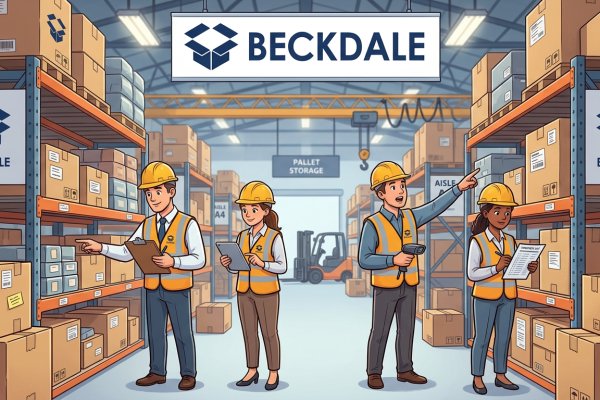
At the core of efficient warehouse operations lies the humble yet essential picking bin. These specialized containers have evolved far beyond simple storage boxes into sophisticated components of integrated fulfillment systems. For B2B operations handling diverse product ranges and high-volume orders, picking bins represent the fundamental building blocks of operational efficiency.
Modern picking bin systems incorporate several design principles that maximize both storage density and picking speed. The bins themselves are manufactured from durable materials that can withstand years of intensive use while maintaining structural integrity. Their standardized dimensions allow for modular stacking and integration with shelving systems, creating flexible storage configurations that adapt to changing inventory needs.
Types of Picking Bins for Different Applications
Selecting the appropriate picking bin system depends on the specific requirements of your B2B operation:
- Small parts bins: Ideal for components, fasteners, and accessories in manufacturing supply chains
- Stackable bins: Maximize vertical storage space for seasonal inventory fluctuations
- Hanging bins: Perfect for frequently accessed items requiring immediate visibility
- Divided bins: Enable multiple SKUs to share space while maintaining organization
- Clear bins: Allow visual inventory checks without opening containers
Companies like www.beckdaleshipping.co.uk understand that proper picking bin configuration directly impacts order accuracy, picking speed, and ultimately customer satisfaction in B2B relationships where reliability is paramount.
Integrating Physical Storage with Shopify
While Shopify originally gained prominence in the B2C space, the platform has become increasingly sophisticated in serving B2B requirements. The integration between physical storage systems and Shopify's digital infrastructure creates powerful opportunities for businesses operating in Birmingham and beyond.
Modern B2B Shopify implementations leverage the platform's wholesale capabilities, custom pricing structures, and advanced inventory management features. When properly synchronized with warehouse management systems, Shopify becomes more than an e-commerce platform—it transforms into a comprehensive order orchestration tool that connects customers directly to your picking bins.
Key Integration Points Between Storage and Shopify
The connection between your physical storage infrastructure and your Shopify store requires careful planning across several dimensions:
- Real-time inventory synchronization: Ensuring bin-level stock accuracy reflects immediately in Shopify listings
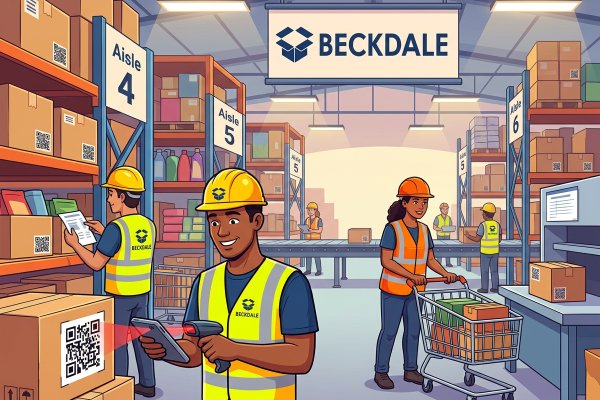
- Location-based routing: Directing pickers to specific bins through mobile devices or pick tickets
- Batch picking optimization: Grouping Shopify orders by warehouse zone to minimize travel time
- Automated reorder points: Triggering purchase orders when bins reach predetermined thresholds
- Multi-location management: Coordinating inventory across multiple Birmingham facilities or regional warehouses
Optimizing B2B Storage for Shopify Order Fulfillment
B2B customers have fundamentally different expectations than retail consumers. They order in larger quantities, require precise delivery scheduling, and demand absolute reliability. Your storage system must accommodate these requirements while maintaining the efficiency needed to compete on price.
Successful B2B operations in Birmingham are increasingly adopting zone-based storage strategies where picking bins are organized according to order velocity rather than product category. Fast-moving items occupy prime positions closest to packing stations, while slower inventory sits in less accessible areas. This approach, sometimes called "golden zone" picking, can reduce fulfillment times by 30-40%.
Designing Storage Layouts for B2B Efficiency
Your warehouse layout directly impacts your operational costs and service levels. Consider these design principles when organizing your Birmingham facility:
- ABC analysis: Categorize inventory by turnover rate and assign storage locations accordingly
- Flow optimization: Create logical paths from receiving to storage to picking to shipping
- Scalability planning: Design systems that accommodate growth without complete reconfiguration
- Safety compliance: Ensure proper aisle widths, load ratings, and emergency access
- Technology integration: Leave space and infrastructure for barcode scanners, tablets, and automation
Technology Enhancing Storage and Picking Operations
The gap between leading Birmingham fulfillment operations and their competitors increasingly comes down to technology adoption. Warehouse Management Systems (WMS) have become essential tools for B2B operations, providing the intelligence layer that connects Shopify orders to picking bins and ultimately to outbound shipments.
Modern WMS platforms offer sophisticated features including directed picking, where warehouse staff receive step-by-step instructions via handheld devices, eliminating guesswork and training time. These systems also provide analytics that reveal inefficiencies in storage layouts, identify slow-moving inventory, and forecast space requirements based on seasonal patterns.
For businesses seeking comprehensive solutions, working with experienced partners like www.beckdaleshipping.co.uk can accelerate technology implementation while avoiding common pitfalls that plague first-time adopters.
Emerging Technologies in Warehouse Storage
Forward-thinking Birmingham businesses are exploring several technological innovations:
- RFID tracking: Enabling real-time visibility into inventory movement without manual scanning
- Autonomous mobile robots: Transporting picking bins to stationary pickers, reducing walking time
- Vertical lift modules: Maximizing cubic storage capacity in facilities with height restrictions
- Augmented reality picking: Overlaying digital information onto physical warehouse environments
- Predictive analytics: Forecasting demand patterns to optimize bin placement proactively
Best Practices for B2B Storage Management
Implementing world-class storage operations requires attention to both strategic planning and operational details. Successful Birmingham businesses consistently apply several core principles:
Regular auditing: Conducting cycle counts of picking bin contents maintains the inventory accuracy that Shopify customers expect. Rather than annual shutdowns for complete inventory checks, progressive operations count a percentage of bins daily, ensuring continuous accuracy without operational disruption.
Staff training: Your warehouse team represents the human interface between digital orders and physical products. Investing in comprehensive training on bin systems, Shopify order processing, and quality standards pays dividends in accuracy and efficiency.
Continuous improvement: The most effective operations treat their storage systems as living entities requiring constant refinement. Monthly reviews of picking metrics, storage density, and order accuracy reveal opportunities for incremental improvements that compound over time.
The Future of Storage in Birmingham's B2B Sector
Looking ahead, Birmingham's position as a storage and logistics hub appears stronger than ever. The convergence of digital commerce platforms like Shopify with sophisticated physical infrastructure creates unprecedented opportunities for B2B businesses willing to invest in modern systems.
The picking bin, far from being rendered obsolete by automation, remains central to efficient operations. However, these bins are increasingly "smart"—tracked by sensors, moved by robots, and integrated seamlessly with cloud-based management systems that optimize their usage in real-time.
For businesses operating in or considering Birmingham as a base for their B2B storage operations, the message is clear: success requires integrating physical excellence with digital sophistication. Those who master this integration—connecting Shopify's powerful e-commerce capabilities with well-organized picking bin systems and strategic warehouse layouts—will find themselves well-positioned to serve the increasingly demanding B2B marketplace.
The storage solutions you implement today will determine your competitive position tomorrow. By embracing modern picking systems, leveraging Birmingham's logistical advantages, and integrating physical operations with platforms like Shopify, B2B businesses can build the operational foundation necessary for sustainable growth in an increasingly complex commercial environment.