In today's fast-paced e-commerce landscape, efficient picking has become the cornerstone of successful warehouse operations. As customer expectations for rapid delivery continue to escalate, businesses must optimize every aspect of their fulfillment process. The picking stage—where individual items are retrieved from inventory to fulfill orders—represents one of the most labor-intensive and error-prone activities in the supply chain. Understanding how to streamline this critical operation can dramatically impact your bottom line, customer satisfaction, and competitive positioning.
Understanding the Foundation of Efficient Picking
Efficient picking goes far beyond simply grabbing items from shelves. It encompasses a holistic approach that integrates technology, human expertise, warehouse layout, and data management. When executed properly, an optimized picking system reduces operational costs, minimizes errors, accelerates order fulfillment, and ultimately creates a better customer experience from checkout to doorstep delivery.
The relationship between picking efficiency and postage costs is often overlooked but critically important. When pickers select items accurately and efficiently, they enable better packaging decisions, more accurate weight calculations, and optimal carrier selection—all factors that directly influence postage expenses. A well-organized picking system ensures that orders are consolidated appropriately, reducing unnecessary shipments and associated postage costs.
Best Practices for Warehouse Picking Efficiency
Strategic Warehouse Layout and Organization
The physical organization of your warehouse forms the foundation of picking efficiency. Implementing a strategic layout based on product velocity analysis can dramatically reduce travel time and improve picker productivity. High-velocity items should be positioned closest to packing stations, while slower-moving inventory can occupy more distant locations.
- Zone picking: Divide the warehouse into specific zones with dedicated pickers, reducing travel time and increasing specialization
- Vertical space optimization: Place frequently picked items at ergonomic heights to reduce physical strain and picking time
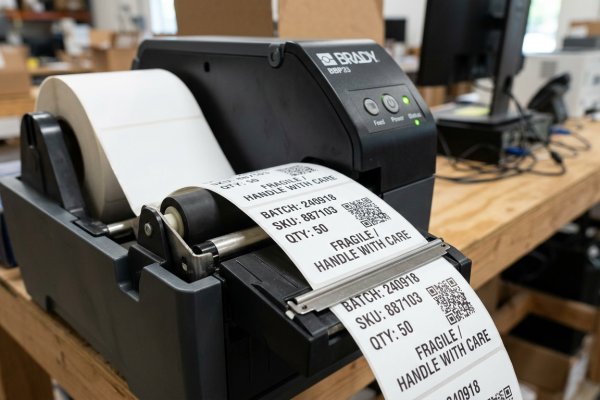
- Clear labeling systems: Implement consistent, intuitive labeling that minimizes confusion and location errors
- Logical product grouping: Store complementary items near each other to facilitate multi-item order picking
Implementing the Right Picking Method
Different picking methodologies suit different business models, order profiles, and warehouse configurations. Selecting the appropriate method—or combination of methods—is essential for maximizing efficiency.
Batch picking involves collecting items for multiple orders simultaneously, which significantly reduces travel time when handling numerous orders with similar items. This method works exceptionally well for businesses with high order volumes and limited SKU variety.
Wave picking schedules picking activities in waves throughout the day, allowing for better resource allocation and alignment with shipping cut-off times. This approach helps businesses like www.beckdaleshipping.co.uk optimize their postage planning by consolidating shipments according to carrier pickup schedules.
Zone picking assigns pickers to specific warehouse zones, reducing congestion and travel time while allowing workers to develop expertise in their designated areas. Orders move from zone to zone, with each picker adding the required items from their section.
Technology Integration for Enhanced Accuracy
Modern picking operations leverage technology to eliminate errors and accelerate processes. Barcode scanning systems provide real-time verification, ensuring pickers select the correct items and quantities. Radio Frequency Identification (RFID) technology takes this further by enabling automatic item identification without line-of-sight scanning.
Warehouse Management Systems (WMS) orchestrate the entire picking process, generating optimized pick lists, directing picker routes, and tracking performance metrics. These systems integrate seamlessly with inventory management platforms, creating a continuous data flow that maintains accuracy across all operations.
The Critical Role of Data Flow in Picking Operations
Data flow represents the nervous system of efficient picking operations. From the moment a customer places an order to the moment that package leaves the facility, information must move seamlessly between systems, devices, and personnel.
Real-Time Inventory Synchronization
Accurate, real-time inventory data prevents the frustration of picking errors caused by outdated stock information. When inventory systems update instantly across all platforms, pickers receive accurate pick lists that reflect current stock levels, locations, and availability. This synchronization eliminates wasted time searching for items that have been relocated or depleted.
The data flow extends beyond internal systems to include supplier networks, third-party logistics providers, and carrier integrations. This comprehensive connectivity ensures that inventory replenishment, order fulfillment, and shipping preparation work in harmony rather than as isolated operations.
Performance Analytics and Continuous Improvement
Data collection during the picking process generates valuable insights into operational efficiency. Key performance indicators (KPIs) such as picks per hour, pick accuracy rates, and travel distance per order illuminate opportunities for improvement.
- Track individual and team picker performance to identify training needs and recognize high performers
- Analyze picking patterns to optimize warehouse layout and product placement
- Monitor error rates by location, product type, or picker to address systemic issues
- Evaluate pick time variations throughout the day to optimize staffing schedules
- Assess the impact of layout changes or process modifications through before-and-after comparisons
This data-driven approach transforms picking from a routine task into an continuously evolving process that adapts to changing business needs and market conditions.
Connecting Efficient Picking to Postage Optimization
The relationship between picking efficiency and postage costs extends beyond simple speed improvements. When pickers work systematically and accurately, they enable sophisticated postage optimization strategies that can generate significant savings.
Accurate Weight and Dimension Capture
Efficient picking processes include verification steps where item weights and dimensions are confirmed. This accuracy prevents postage overpayment due to incorrect package specifications and eliminates costly carrier adjustments or customer disputes. Many modern operations integrate dimensioning systems that automatically capture package specifications as items move through the picking and packing workflow.
Intelligent Shipping Method Selection
When picking data flows seamlessly to shipping systems, businesses can make real-time decisions about optimal carrier selection based on package characteristics, destination, delivery timeline, and cost. Services like those offered by www.beckdaleshipping.co.uk depend on accurate order information from the picking stage to match shipments with the most cost-effective and appropriate carriers.
This integration also enables sophisticated strategies such as shipment consolidation, where multiple orders destined for nearby locations are identified during picking and combined into single shipments with reduced per-unit postage costs.
Training and Human Factors in Picking Efficiency
Despite technological advances, human pickers remain central to most warehouse operations. Investing in comprehensive training programs pays dividends through improved accuracy, speed, and employee satisfaction.
Effective training programs should include: warehouse geography and layout familiarization, proper use of picking technology and equipment, ergonomic techniques to prevent injury and fatigue, quality control procedures and accuracy verification, and understanding how their role connects to customer satisfaction and business success.
Creating a culture that values accuracy over pure speed often produces better overall results. When pickers understand that errors create cascading problems—from customer dissatisfaction to increased return costs and wasted postage—they become partners in operational excellence rather than simply task executors.
Future Trends Shaping Picking Efficiency
The picking landscape continues to evolve with emerging technologies promising even greater efficiency gains. Voice-directed picking systems allow hands-free operation, increasing safety and speed. Augmented reality (AR) glasses overlay picking instructions directly onto the picker's field of vision, reducing errors and training time.
Autonomous mobile robots (AMRs) are increasingly deployed to transport items between picking zones and packing stations, allowing human pickers to focus exclusively on item selection rather than travel. Some facilities are implementing collaborative robots, or "cobots," that work alongside human pickers to handle heavy items or high-volume repetitive tasks.
Artificial intelligence and machine learning algorithms analyze picking patterns to predict demand fluctuations, optimize picker routes in real-time, and even suggest warehouse layout modifications based on changing product velocities and order patterns.
Conclusion: Building a Competitive Advantage Through Picking Excellence
Efficient picking represents far more than an operational detail—it's a strategic capability that directly impacts customer satisfaction, operational costs, and competitive positioning. By implementing best practices in warehouse organization, selecting appropriate picking methodologies, leveraging technology effectively, and maintaining seamless data flow throughout operations, businesses create a foundation for sustainable growth and success.
The connection between picking efficiency and postage optimization underscores the interconnected nature of modern fulfillment operations. Every improvement in picking accuracy and speed creates ripple effects that reduce costs, accelerate delivery times, and enhance the customer experience.
As e-commerce continues its relentless growth and customer expectations evolve, businesses that prioritize picking efficiency will find themselves better positioned to meet market demands, control costs, and build lasting customer relationships. The investment in optimized picking processes—whether through technology, training, or process redesign—consistently delivers measurable returns that strengthen the entire supply chain from warehouse to doorstep.