UK Fulfilment Secrets That Could Transform Your Business
The landscape of e-commerce logistics has undergone a seismic shift in recent years, and UK fulfilment operations are at the forefront of this transformation. Whether you're a startup selling handmade products or an established brand expanding your online presence, understanding the sophisticated systems behind modern fulfilment can mean the difference between thriving and merely surviving in today's competitive marketplace.
From Leicester to London, Manchester to Birmingham, businesses across the nation are discovering that the right fulfilment partner equipped with advanced technology can unlock unprecedented growth. Let's explore the critical components that make modern UK 3PL operations so powerful.
The Price Calculator Revolution: Transparency in Fulfilment Costs
One of the most significant pain points for businesses exploring fulfilment options has traditionally been the opacity of pricing. Hidden fees, unexpected charges, and complex pricing structures have long frustrated e-commerce entrepreneurs. However, the introduction of sophisticated pricing calculators has revolutionized how businesses evaluate and budget for their logistics needs.
Understanding True Fulfilment Costs
Modern price calculators provide transparent, itemized breakdowns of every aspect of the fulfilment process. Rather than receiving a vague quote that leaves you wondering where your money goes, these tools illuminate the entire cost structure:
- Storage fees calculated by pallet, shelf space, or cubic footage
- Pick and pack charges based on order complexity and volume
- Shipping costs with multiple courier options and delivery speeds
- Additional services such as gift wrapping, returns processing, or custom packaging
- Integration fees for connecting your e-commerce platform
A comprehensive pricing calculator allows businesses to model different scenarios instantly. What would it cost to fulfil 500 orders per month versus 2,000? How do costs change if you switch from standard to express delivery? These questions can be answered within minutes rather than waiting days for custom quotes.
Strategic Planning Through Cost Visibility
The strategic advantage of transparent pricing extends beyond simple budgeting. Businesses operating from Glasgow to Southampton can now make informed decisions about product pricing, promotional strategies, and market expansion. When you understand precisely how fulfilment costs scale with volume, you can negotiate better deals with suppliers, set competitive retail prices, and identify the optimal growth trajectory for your business.
Data Flow: The Nervous System of Modern Fulfilment
If a fulfilment warehouse is the body of your logistics operation, then data flow is its nervous system. The seamless exchange of information between your sales channels, inventory management systems, and warehouse operations determines how efficiently your business functions.
Real-Time Inventory Synchronization
Gone are the days when inventory management meant weekly stock takes and manual spreadsheet updates. Modern data flow systems provide real-time visibility across all your sales channels. When a customer in Leeds purchases your product online, that sale instantly updates inventory levels across your website, Amazon listings, eBay store, and any other platforms you use.
This synchronization prevents the nightmare scenario of overselling—promising products you don't have in stock. For businesses operating in competitive markets from Edinburgh to Bristol, the ability to maintain accurate inventory counts can be the difference between a loyal customer and a cancelled order.
Automated Order Processing
The most sophisticated UK 3PL fulfilment operations have eliminated manual data entry almost entirely. When an order arrives through any channel, automated systems immediately:
- Validate the order details and delivery address
- Check inventory availability across multiple warehouse locations
- Generate picking instructions for warehouse staff
- Select the optimal courier based on delivery requirements
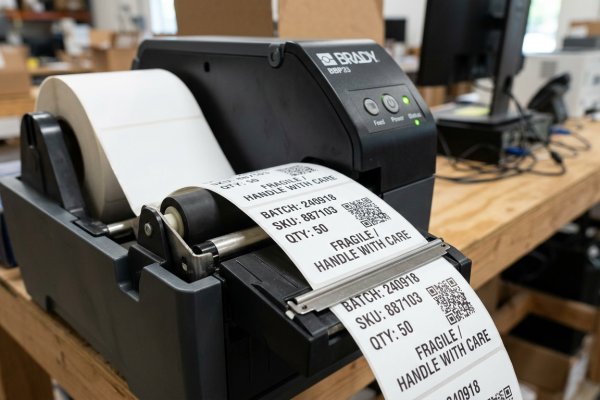
- Create shipping labels and tracking information
- Send confirmation emails to customers
- Update accounting systems with transaction details
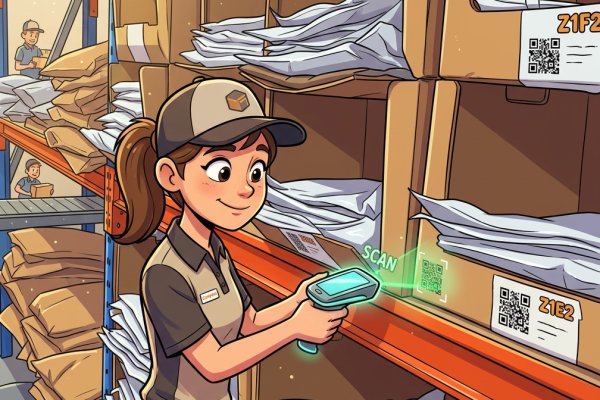
This automation dramatically reduces errors, accelerates processing times, and frees business owners to focus on growth rather than administrative tasks. The traceability built into these systems also means you can track every product from receiving through storage, picking, packing, and dispatch.
Intelligence Through Data Analytics
Beyond operational efficiency, robust data flow enables powerful analytics. Businesses can identify their fastest-moving products, understand seasonal demand patterns, optimize reorder points, and predict future inventory needs. Companies across Birmingham, Nottingham, and beyond are leveraging these insights to make smarter procurement decisions and reduce capital tied up in slow-moving inventory.
Cross Docking: Speed and Efficiency Redefined
For businesses handling significant volumes, cross docking represents one of the most impactful innovations in modern logistics. This technique, where products move directly from inbound to outbound transportation with minimal warehouse storage, can dramatically reduce both costs and delivery times.
How Cross Docking Works
Traditional warehousing involves receiving goods, moving them to storage locations, retrieving them when orders arrive, and then preparing them for dispatch. Cross docking streamlines this by eliminating the storage step entirely. Products arrive at the warehouse, are immediately sorted according to their final destinations, and are loaded onto outbound vehicles—often within hours rather than days.
This approach is particularly valuable for:
- High-velocity products with predictable demand
- Perishable goods requiring rapid distribution, especially relevant for food products
- Pre-sold inventory where orders exist before stock arrives
- Consolidated shipments from multiple suppliers destined for common customers
The Business Benefits
Cross docking delivers multiple advantages that impact your bottom line. Reduced handling means lower labor costs and less risk of product damage. Faster delivery times improve customer satisfaction and can justify premium pricing. Lower storage costs free up capital and reduce overhead. For businesses operating B2B fulfilment in competitive markets, these efficiencies can provide a crucial competitive edge.
Companies in Manchester, Cardiff, and other UK cities are increasingly demanding cross docking capabilities from their fulfilment partners, recognizing that speed-to-market has become a primary competitive differentiator.
Shopify Integration: Seamless E-Commerce Fulfilment
Shopify has emerged as one of the dominant e-commerce platforms, powering hundreds of thousands of online stores. The relationship between Shopify and UK warehouse operations illustrates how technology partnerships can create seamless customer experiences.
Native Integration Benefits
When a UK fulfilment provider offers native Shopify integration, the technical barriers to professional fulfilment essentially disappear. Store owners can connect their Shopify store to warehouse systems with just a few clicks, immediately gaining access to sophisticated logistics capabilities that would otherwise require significant investment.
The integration works both ways, with data flowing seamlessly between platforms:
- New Shopify orders automatically appear in the warehouse management system
- Inventory levels update in real-time across all sales channels
- Tracking information flows back to Shopify and is shared with customers
- Product information, SKUs, and variants synchronize automatically
- Returns are processed and inventory is updated accordingly
Scaling with Confidence
For Shopify merchants across Liverpool, Newcastle, and throughout the UK, this integration removes the fear of scaling. Whether you're fulfilling ten orders per day or ten thousand, the systems handle the complexity automatically. Merchants can focus on marketing, product development, and customer relationships while their fulfilment partner manages the logistics.
This is particularly valuable for businesses experiencing rapid growth or seasonal spikes. A B2C fulfilment operation integrated with Shopify can scale up for peak periods like Black Friday or Christmas, then scale back down during quieter months—all without requiring manual intervention or risking errors.
Multi-Channel Excellence
While Shopify might be your primary channel, modern consumers shop everywhere. The same integration technology that connects Shopify to fulfilment operations can also link Amazon, eBay, Etsy, and other marketplaces. This creates a unified fulfilment operation where a single inventory pool serves all channels, and orders from any source receive the same professional handling.
Whether you're managing FBA inventory or processing FBM orders, integration ensures consistency and efficiency across your entire operation.
Bringing It All Together: The Leicester Advantage
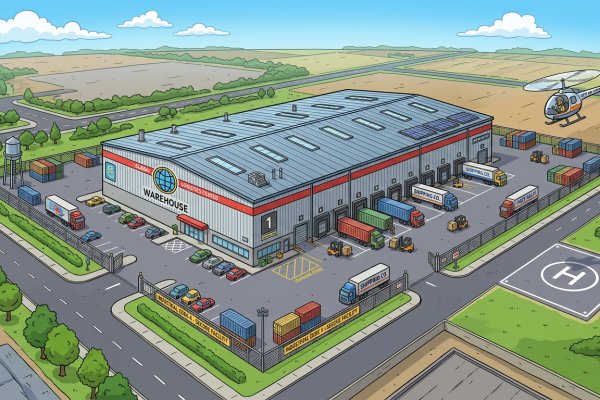
While businesses throughout the UK benefit from advanced fulfilment technology, location still matters. Leicester's position in the heart of England provides strategic advantages for nationwide distribution. Based in Leicester, operations can reach approximately 90% of the UK population within four hours, making next-day delivery economically viable for most orders.
Modern website fulfilment combines all these elements—transparent pricing through calculators, seamless data flow, efficient cross docking operations, and platform integrations—into a cohesive system that transforms logistics from a necessary expense into a competitive advantage.
Choosing the Right Fulfilment Partner
As you evaluate fulfilment options, consider how these four elements work together in practice. A provider offering a detailed pricing calculator demonstrates confidence in their value proposition. Robust data flow capabilities indicate technological sophistication. Cross docking options show operational flexibility. And Shopify integration proves they understand modern e-commerce.
Whether you're selling beauty products, clothing, or any other product category, these foundational capabilities ensure your fulfilment operation can grow with your business.
Conclusion: The Future of UK Fulfilment
The convergence of transparent pricing, automated data exchange, efficient handling processes, and e-commerce platform integration represents the current state of the art in UK fulfilment. Businesses that leverage these capabilities gain significant advantages in cost control, operational efficiency, and customer satisfaction.
As e-commerce continues to evolve and customer expectations rise, the sophistication of fulfilment operations will only increase. The businesses that thrive will be those that recognize fulfilment not as a back-office function but as a strategic capability that directly impacts customer experience, profitability, and competitive positioning.
Whether you're just starting your e-commerce journey or looking to optimize an established operation, understanding these core components of modern www.beckdaleshipping.co.uk operations empowers you to make informed decisions that will serve your business well into the future.