The ecommerce landscape has transformed dramatically over recent years, with online retailers facing increasing pressure to deliver fast, accurate, and cost-effective order fulfilment. For Shopify merchants selling through multiple channels including Amazon's Fulfilled by Merchant (FBM) programme, partnering with a UK 3PL Fulfilment provider has become essential for sustainable growth. This comprehensive guide explores how third-party logistics services are revolutionising operations for London-based and nationwide merchants.
Understanding 3PL and Its Role in Modern Ecommerce
Third-party logistics (3PL) providers offer outsourced warehousing, inventory management, order processing, and shipping services that enable ecommerce businesses to focus on their core competencies. Rather than investing heavily in warehouse space, staff, and technology infrastructure, merchants can leverage the expertise and established systems of specialist fulfilment companies.
For businesses operating across London, Birmingham, Manchester, and other major UK cities, 3PL services provide scalability that would be impossible to achieve independently. Whether you're a startup launching your first Shopify store or an established brand expanding into new marketplaces, the flexibility offered by third-party logistics creates opportunities for growth without corresponding increases in operational complexity.
The Strategic Advantage of Outsourced Fulfilment
When evaluating whether to manage fulfilment in-house or partner with a UK Fulfilment specialist, merchants should consider several factors:
- Capital efficiency: Avoiding upfront investment in warehouse facilities and equipment
- Labour flexibility: Scaling workforce requirements according to seasonal demand
- Shipping rates: Accessing negotiated carrier rates typically reserved for high-volume shippers
- Technology access: Utilizing sophisticated warehouse management systems without development costs
- Geographic positioning: Leveraging strategically located facilities for faster delivery times
The Critical Role of Picking Bins in Warehouse Efficiency
One of the most important yet often overlooked components of effective fulfilment operations is the humble picking bin. These containers form the foundation of order accuracy and processing speed within any UK Warehouse operation.
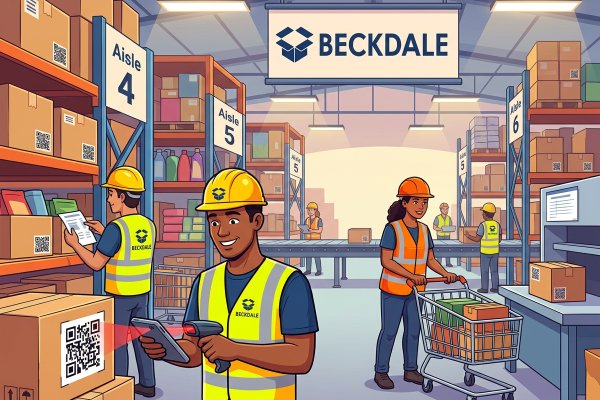
A picking bin system organizes the order fulfilment process by providing dedicated containers for each order as it moves through various stages of processing. When a warehouse operative receives a pick list, they collect items from storage locations and place them into designated bins, ensuring products remain associated with the correct order throughout the entire fulfilment journey.
How Advanced Picking Systems Improve Accuracy
Modern Fulfilment Warehouse operations employ sophisticated picking methodologies that maximize both speed and accuracy. These include:
- Batch picking: Collecting multiple orders simultaneously and sorting into individual bins
- Zone picking: Assigning operatives to specific warehouse areas with bins moving between zones
- Wave picking: Coordinating pick timing to optimize packing and dispatch schedules
- Pick-to-light systems: Using illuminated indicators to guide operatives to correct bin locations
For businesses utilizing Amazon Fulfilled By Merchant (FBM) services alongside their Shopify channels, the precision offered by professional picking bin systems becomes even more critical. Amazon's stringent performance metrics mean that order accuracy directly impacts seller ratings and account health.
Integrating Shopify with 3PL Operations
Shopify has emerged as one of the world's leading ecommerce platforms, powering hundreds of thousands of online stores across diverse product categories. The platform's success stems partly from its extensive integration capabilities, allowing seamless connection with fulfilment services and logistics providers.
How Shopify 3PL Integration Works
When a customer places an order through a Shopify store, the transaction data automatically flows to the connected 3PL provider's warehouse management system. This data integration triggers several automated processes:
- Order information appears in the warehouse management system pick queue
- Inventory levels automatically update across all connected sales channels
- Pick lists generate for warehouse operatives with optimized routing
- Items are collected from storage and placed in picking bins
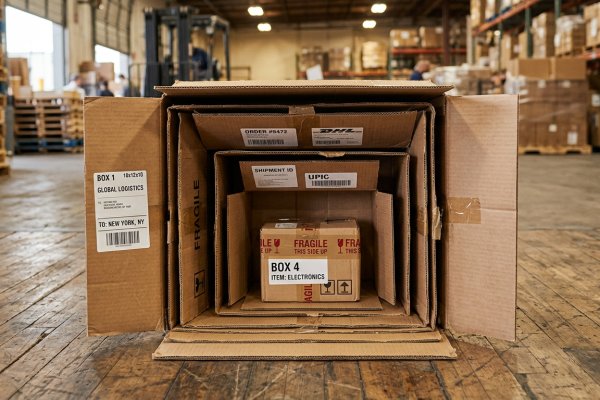
- Orders are packed according to customer and brand specifications
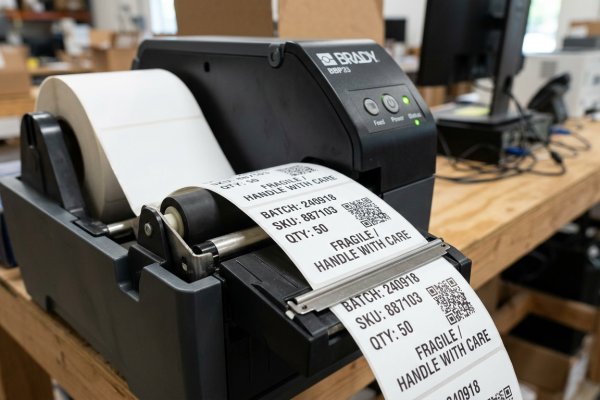
- Shipping labels generate automatically based on predetermined carrier rules
- Tracking information syncs back to Shopify and notifies the customer
This seamless automation eliminates manual data entry, reduces errors, and accelerates the time from order placement to dispatch. For merchants serving customers across London, Edinburgh, Cardiff, and throughout the UK, this speed translates directly into improved customer satisfaction and repeat purchase rates.
Multi-Channel Inventory Management
Many Shopify merchants sell across multiple platforms simultaneously—their own website, Amazon, eBay, and various marketplaces. A sophisticated UK 3PL provider offers centralized inventory management that prevents overselling and provides real-time visibility across all channels.
This capability proves particularly valuable for businesses managing both standard Shopify orders and Amazon FBM listings from the same inventory pool. The 3PL system maintains accurate stock counts and allocates inventory appropriately, ensuring customers never purchase products that have already been sold elsewhere.
FBM: The Alternative to Amazon's FBA Programme
While Fulfilled by Amazon (FBA) receives considerable attention, many merchants find that Fulfilled by Merchant (FBM) offers distinct advantages when paired with the right 3PL partner. The FBM model allows sellers to maintain greater control over their inventory, branding, and customer experience whilst still accessing Amazon's massive customer base.
Why Merchants Choose FBM Over FBA
Several compelling reasons drive the decision to pursue Amazon FBM rather than FBA:
- Cost control: Avoiding FBA's storage fees, particularly for slow-moving or seasonal inventory
- Brand consistency: Maintaining packaging standards and including branded inserts
- Inventory flexibility: Using the same stock for multiple sales channels without duplication
- Product restrictions: Selling items that don't qualify for FBA due to size, weight, or category limitations
- Customer relationships: Retaining direct communication channels with buyers
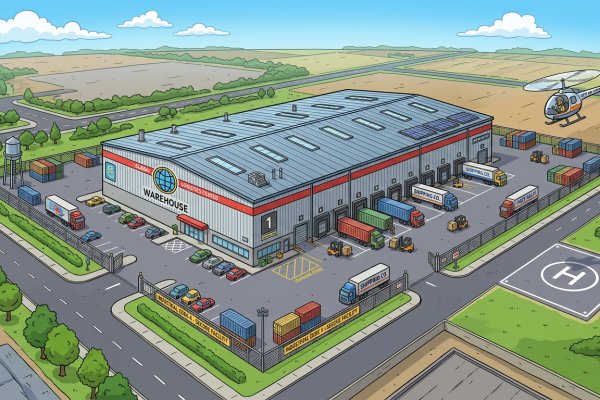
For businesses based in Leicester, where Beckdale operates its fulfilment warehouse, or serving customers throughout London and beyond, partnering with a specialized 3PL provider delivers FBA-competitive delivery speeds without surrendering control over the fulfilment process.
Meeting Amazon's FBM Performance Standards
Success with Amazon FBM requires meeting stringent performance metrics including order defect rate, late shipment rate, and valid tracking rate. Professional 3PL providers understand these requirements and structure their operations accordingly, utilizing robust picking bin systems and quality control processes to maintain the accuracy Amazon demands.
The integration between Shopify, Amazon Seller Central, and the 3PL's warehouse management system ensures that orders receive appropriate prioritization based on Amazon's delivery commitments. This orchestration prevents late shipments and maintains seller performance metrics at healthy levels.
The London Ecommerce Ecosystem
London represents one of Europe's most dynamic ecommerce markets, with thousands of online retailers competing for consumer attention. The capital's businesses face unique challenges including high property costs, congested transportation networks, and demanding customer expectations for rapid delivery.
Many London-based merchants discover that partnering with www.beckdaleshipping.co.uk and similar providers located in more logistically advantageous regions like Leicester offers significant benefits. These include lower operational costs, superior transport links via major motorway networks, and strategically central positioning for efficient distribution nationwide.
Serving London Customers from Strategic Locations
While some assume that warehousing must be located within London to serve the capital effectively, the reality differs considerably. Modern logistics networks and courier services enable next-day and even same-day delivery to London postcodes from facilities positioned along the M1 corridor.
This geographic flexibility allows merchants to access premium fulfilment services without bearing London's inflated property and labour costs, improving profit margins whilst maintaining service quality. Whether your customers are located in Shoreditch, Kensington, or Croydon, professional 3PL operations ensure consistent delivery performance.
Selecting the Right 3PL Partner for Your Business
Choosing a third-party logistics provider represents a significant strategic decision that impacts virtually every aspect of your ecommerce operation. Several critical factors warrant careful evaluation:
Technical Capabilities and Integration
Your 3PL should offer robust integration with Shopify and other platforms you utilize, including Amazon Seller Central for FBM operations. The data flow between systems must be reliable, real-time, and comprehensive, covering inventory updates, order details, tracking information, and returns processing.
Specialized Expertise
Different product categories demand specific handling expertise. Whether you sell beauty products, clothing, or food items, ensure your 3PL possesses relevant experience and appropriate certifications. Products requiring expiry and batch number tracking necessitate systems capable of managing this complexity.
Transparency and Communication
Look for providers offering comprehensive visibility into operations through reporting dashboards and responsive customer support. You should have ready access to inventory levels, order status, and performance metrics. Stock traceability systems provide peace of mind and facilitate issue resolution when problems arise.
Pricing Structure
Understanding the complete cost structure proves essential for accurate financial planning. Review the pricing calculator and examine pricing examples to understand how various fee components combine. Consider inbound receiving fees, storage charges, pick and pack costs, and shipping expenses when comparing providers.
The Future of 3PL and Ecommerce Fulfilment
The logistics industry continues evolving rapidly, with technology driving improvements in efficiency and capabilities. Artificial intelligence optimizes picking routes and inventory placement, whilst robotics augment human operatives in high-volume facilities. These advances benefit merchants who partner with forward-thinking Website Fulfilment providers committed to continuous improvement.
For Shopify merchants utilizing FBM alongside other sales channels, the combination of specialized 3PL expertise, sophisticated picking bin systems, and seamless technology integration creates competitive advantages that translate directly into business growth. Whether your customers are located in London, Liverpool, Leeds, or Land's End, professional fulfilment services ensure consistent, reliable delivery that builds brand loyalty and drives repeat purchases.
As consumer expectations continue rising and ecommerce competition intensifies, the strategic importance of fulfilment excellence only increases. By selecting the right 3PL partner, implementing efficient warehouse systems, and leveraging platform integrations, online retailers position themselves for sustainable success in an increasingly demanding marketplace.