The landscape of logistics and warehousing in the United Kingdom has undergone remarkable transformation over the past decade. As e-commerce continues its exponential growth and consumer expectations evolve, businesses across Manchester, Birmingham, London, and Leicester are increasingly turning to sophisticated third-party logistics providers to manage their supply chain complexities. The modern UK 3PL sector represents far more than simple storage solutions – it encompasses advanced technology integration, sustainable practices, and seamless connections to global marketplaces.
The Evolution of 3PL Services in the United Kingdom
Third-party logistics has evolved from basic warehousing into a comprehensive suite of services that power modern commerce. Today's UK 3PL Fulfilment providers offer end-to-end solutions that include inventory management, order processing, returns handling, and sophisticated technology integration. This transformation has been driven primarily by the demands of online retail and the need for businesses to remain agile in increasingly competitive markets.
The rise of omnichannel retail has particularly influenced how 3PL operations function. Businesses now require partners capable of managing inventory across multiple sales channels simultaneously, from traditional brick-and-mortar stores to online marketplaces and direct-to-consumer websites. This complexity demands robust systems, experienced personnel, and strategic warehouse locations throughout the UK.
Strategic Locations and Network Optimization
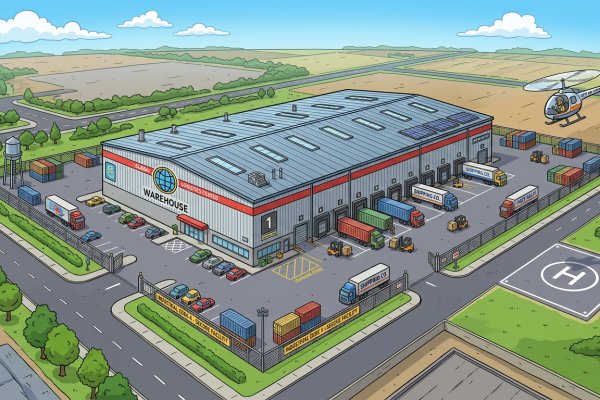
While logistics hubs have traditionally clustered around major ports and motorway networks, the modern distribution landscape requires careful consideration of delivery timeframes and transportation costs. Cities like Leeds, Bristol, and Glasgow have emerged as important secondary hubs, whilst Leicester continues to serve as a central location offering excellent connectivity to the entire UK mainland. The strategic positioning of fulfilment warehouses directly impacts delivery speeds and cost efficiency.
Amazon Integration and Marketplace Fulfilment
Amazon's dominance in UK e-commerce has fundamentally reshaped how 3PL providers operate. The marketplace giant offers sellers two primary fulfilment approaches: Fulfilled By Amazon (FBA) and Fulfilled By Merchant (FBM). Understanding these models and their implications has become essential for any business selling through Amazon's platform.
Fulfilled By Amazon (FBA) Solutions
The FBA programme allows sellers to store inventory in Amazon's fulfilment centres, with Amazon handling picking, packing, shipping, and customer service. However, many businesses utilize specialist 3PL providers to prepare their products for Amazon's strict requirements, including specific labelling, packaging standards, and shipment configurations. This preparatory work ensures products arrive at Amazon facilities compliant and ready for immediate processing.
Key FBA preparation services include:
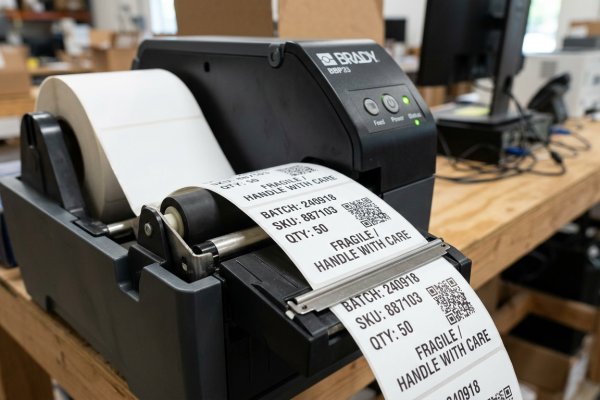
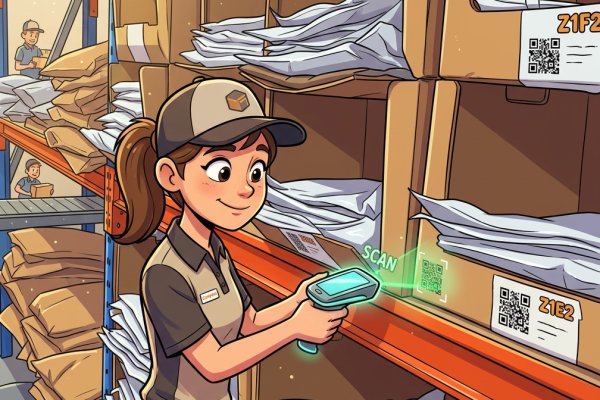
- FNSKU barcode labelling and application
- Product bundling and multi-pack creation
- Poly-bagging and bubble-wrapping for protection
- Carton configuration according to Amazon's dimensional requirements
- Shipping plan creation and coordination
Amazon FBM and Seller Fulfilled Prime
The FBM model provides sellers with greater control over their inventory and customer experience whilst potentially reducing fees. Through partnerships with experienced UK 3PL providers, businesses can maintain the service standards Amazon customers expect whilst retaining inventory ownership and flexibility. Some qualified sellers can even access Seller Fulfilled Prime status, offering Prime badges without using FBA.
This approach particularly benefits businesses with unique products, higher-value items, or those requiring specialized handling. The ability to manage stock traceability and maintain direct control over fulfilment processes offers distinct advantages for certain product categories.
Sustainability in Modern Logistics Operations
Environmental consciousness has transitioned from optional consideration to business imperative. Customers, retailers, and regulators increasingly demand sustainable practices throughout the supply chain. Forward-thinking UK Fulfilment providers are responding with comprehensive sustainability initiatives that reduce environmental impact whilst often improving operational efficiency.
Green Warehousing Initiatives
Modern warehouse facilities incorporate numerous eco-friendly features that minimize energy consumption and environmental footprint. LED lighting systems, solar panel installations, rainwater harvesting, and improved insulation represent just some of the infrastructure improvements being implemented across the sector. These investments deliver both environmental benefits and long-term cost savings.
Energy-efficient warehouse management systems optimize picking routes to reduce unnecessary movement, whilst advanced climate control systems maintain appropriate conditions using minimal energy. The cumulative effect of these improvements can reduce a facility's carbon footprint by thirty to fifty percent compared to traditional operations.
Sustainable Packaging Solutions
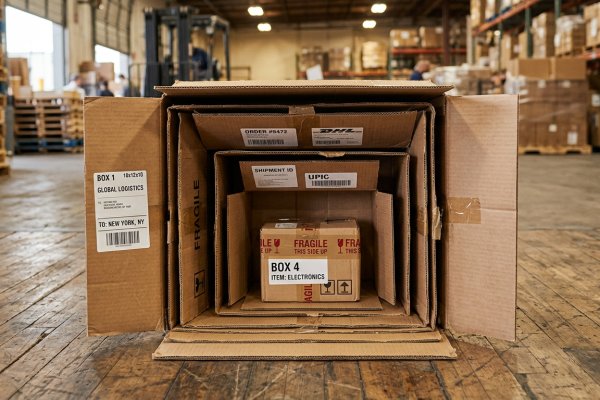
Packaging represents one of the most visible aspects of sustainability in logistics. The shift toward recyclable, biodegradable, and minimalist packaging solutions reflects both regulatory pressures and consumer preferences. Contract packing services increasingly incorporate sustainable materials including recycled cardboard, compostable void fill, and plant-based plastics.
Sustainable packaging innovations include:
- Right-sizing packaging to eliminate excess material and reduce dimensional weight charges
- Replacing plastic bubble wrap with recyclable paper alternatives
- Utilizing biodegradable packing peanuts made from cornstarch
- Implementing reusable packaging systems for B2B distribution
- Eliminating unnecessary outer packaging where products are already adequately protected
Transportation and Delivery Optimization
The final mile represents the most carbon-intensive segment of the delivery journey. Progressive 3PL providers are addressing this through route optimization software, vehicle fleet upgrades to electric or hybrid alternatives, and consolidated shipments that reduce overall vehicle movements. Courier services partnerships with environmentally conscious carriers further enhance sustainability credentials.
Advanced Picking Bin Systems and Warehouse Efficiency
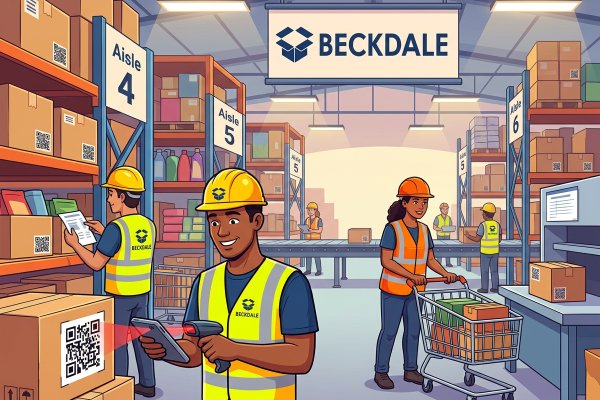
The humble picking bin represents a critical component in warehouse efficiency, yet this simple tool has evolved considerably. Modern picking bin systems incorporate technology, ergonomic design, and strategic placement to maximize productivity whilst reducing errors and worker fatigue.
Pick-to-Light and Voice-Directed Picking
Traditional paper-based picking has largely given way to electronic systems that improve accuracy and speed. Pick-to-light systems use illuminated indicators on picking bins to guide warehouse operatives to the correct location, whilst voice-directed systems provide hands-free instruction through headsets. These technologies significantly reduce picking errors, which is particularly important for sectors like beauty products where SKU proliferation is common.
Batch Picking and Wave Picking Strategies
Sophisticated warehouse management systems organize orders into efficient picking batches that minimize travel time within the facility. Rather than completing orders individually, operatives collect multiple orders simultaneously using multi-compartment picking bins or trolleys. This approach can increase picking productivity by two to three times compared to discrete order picking.
Wave picking takes this further by coordinating picking activities across the entire warehouse based on factors like shipping deadlines, carrier collection times, and product locations. The result is a choreographed operation where picking bins flow efficiently from storage locations through packing stations to dispatch areas.
Automated Storage and Retrieval Systems
The most advanced facilities incorporate robotics and automation that bring picking bins directly to stationary operatives. These goods-to-person systems eliminate walking time entirely, allowing a single operative to process significantly more orders per hour. Whilst representing substantial capital investment, such systems deliver impressive returns for high-volume operations handling clothing, electronics, and other consumer goods.
Navigating Import UK Processes and Compliance
Brexit fundamentally altered the landscape for businesses importing goods into the United Kingdom. What was once seamless movement from EU countries now involves customs declarations, potential tariffs, and compliance requirements. Experienced 3PL providers offer invaluable support navigating these complexities, ensuring goods clear customs efficiently and reach warehouses without costly delays.
Customs Clearance and Documentation
Importing into the UK now requires comprehensive documentation including commercial invoices, packing lists, and customs declarations. Different product categories face varying requirements – food products require health certificates, whilst certain goods face additional safety or environmental certifications. Partnering with shipping services specialists who understand these requirements prevents costly delays and potential penalties.
Duty and VAT Considerations
Understanding tariff classifications, duty rates, and VAT obligations represents essential knowledge for importers. Certain goods benefit from preferential trade agreements, whilst others face standard tariff rates. Progressive 3PL providers maintain expertise in these areas, helping clients optimize their import strategies and ensure full compliance with HMRC requirements.
Key import considerations include:
- Accurate commodity code classification for tariff determination
- Rules of origin documentation for preferential duty rates
- Import VAT accounting and postponed accounting options
- Customs warehousing for duty deferment opportunities
- Authorized Economic Operator (AEO) status benefits
Landed Cost Calculation and Pricing Transparency
Understanding the true landed cost of imported goods requires accounting for all expenses beyond the product purchase price. Transportation, insurance, duties, taxes, and handling fees all contribute to total cost. Sophisticated 3PL partners provide transparent pricing that enables accurate landed cost calculation, supporting better business planning and pricing strategies.
Technology Integration and Data Management
Modern UK 3PL Fulfilment operations depend on sophisticated technology infrastructure that connects warehouses with clients' business systems. Real-time inventory visibility, automated order processing, and comprehensive reporting transform how businesses manage their supply chains.
API Integration and System Connectivity
The ability to connect warehouse management systems with e-commerce platforms, marketplaces, and enterprise resource planning systems eliminates manual data entry and reduces errors. API integrations enable automatic order flow from sales channels to fulfilment operations, with inventory levels updating across all platforms in real-time. This connectivity is particularly valuable for businesses operating across multiple channels including B2C and B2B channels simultaneously.
Inventory Management and Forecasting
Advanced systems track inventory at granular levels, including batch numbers and expiry dates essential for regulated products. Predictive analytics identify trends and seasonal patterns, supporting more accurate demand forecasting and inventory planning. This intelligence helps businesses optimize stock levels, reducing both stockouts and excess inventory costs.
Conclusion: The Future of UK 3PL Services
The third-party logistics sector in the United Kingdom continues evolving rapidly, driven by technological advancement, sustainability imperatives, and changing consumer expectations. From Leicester to Edinburgh, modern fulfilment warehouses represent sophisticated operations that combine human expertise with cutting-edge technology.
Success in today's competitive marketplace increasingly depends on partnering with 3PL providers who offer more than basic warehousing. The integration of Amazon marketplace expertise, commitment to sustainable practices, advanced picking bin systems, and comprehensive import support creates a foundation for business growth. As e-commerce continues expanding and supply chain complexity increases, the strategic value of experienced UK 3PL partners becomes ever more apparent.
Businesses seeking competitive advantage should evaluate potential 3PL partners not merely on storage costs but on their technological capabilities, sustainability credentials, marketplace expertise, and ability to scale alongside business growth. The right partnership transforms logistics from operational necessity into strategic advantage.