Order Picking in the UK: A Complete Guide
Order picking remains one of the most critical operations within any UK fulfilment strategy. As the backbone of warehouse efficiency, the order picking process directly impacts customer satisfaction, operational costs, and business scalability. From small independent retailers to major logistics providers like Royal Mail and DHL, the principles of effective order picking unite the entire supply chain sector across the United Kingdom.
Understanding the nuances of order picking in the UK context requires familiarity with carrier compliance requirements, regional operational differences, and the technological innovations transforming the industry. Whether you're operating in Sheffield's industrial heartland or Leicester's thriving logistics hub, mastering order picking fundamentals is essential for competitive advantage.
The Fundamentals of Order Picking in UK Warehouses
Order picking is the process of retrieving products from warehouse storage locations to fulfil customer orders. In the UK market, this seemingly straightforward operation involves multiple considerations that distinguish professional warehouse fulfilment from basic storage operations.
Core Order Picking Methods
UK warehouses typically employ several distinct picking methodologies, each suited to different operational scales and product characteristics:
- Piece Picking: The most basic method where pickers collect individual items for single orders, commonly used in smaller operations or for high-value goods
- Batch Picking: Multiple orders are picked simultaneously, improving efficiency when handling similar products across different customer orders
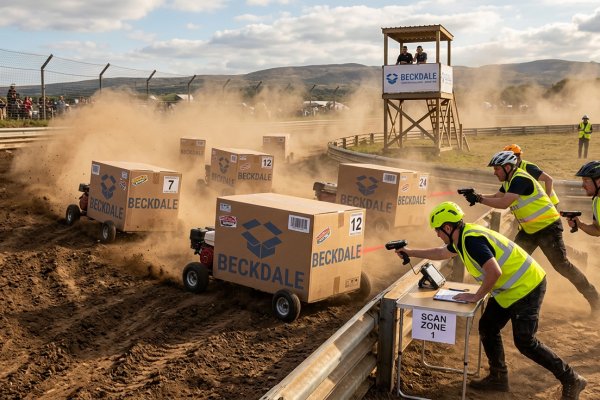
- Zone Picking: Warehouses are divided into sections, with dedicated pickers responsible for specific zones, reducing travel time and increasing specialisation
- Wave Picking: Orders are released in scheduled waves throughout the day, optimising workflow and shipping cut-off times for carriers like Royal Mail and DHL
- Cluster Picking: Particularly effective for e-commerce fulfilment, where pickers simultaneously pick for multiple orders using trolleys with divided compartments
Technology-Enhanced Picking Systems
Modern UK 3PL operations increasingly rely on technology to enhance picking accuracy and speed. Radio Frequency (RF) scanning devices, voice-directed picking systems, and pick-to-light installations have transformed warehouse productivity. These technologies integrate with warehouse management systems to provide real-time stock traceability and reduce human error.
Sheffield's manufacturing and distribution heritage has positioned the city as a testing ground for automated picking solutions, with several warehouses implementing robotic assistance and automated guided vehicles (AGVs) to complement human pickers. However, the human element remains irreplaceable for complex picking scenarios and quality control.
Royal Mail Compliance and Order Picking Requirements
For businesses utilising Royal Mail as their primary carrier, order picking must align with specific compliance requirements that affect both packaging and labelling. Royal Mail's stringent standards ensure mail stream integrity and efficient processing through their nationwide sorting network.
Dimensional and Weight Considerations
Order pickers must be trained to recognise Royal Mail's size and weight restrictions during the picking process. Items exceeding standard letter or large letter dimensions require different handling procedures, affecting both picking methodology and packing station workflows. Professional courier services integration ensures pickers select appropriate packaging materials during the picking phase.
Barcoding and Labelling Standards
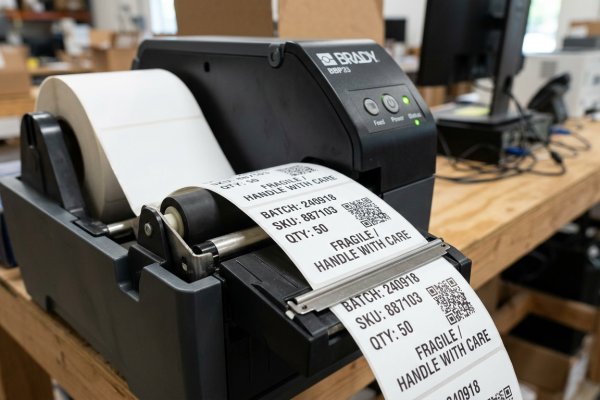
Royal Mail's tracking systems depend on accurate barcode application, which begins at the picking stage. Warehouse management systems must generate compliant labels that pickers can easily apply or verify, ensuring seamless integration with Royal Mail's downstream processing facilities across the UK.
Operations handling food products or beauty items face additional compliance layers, particularly regarding expiry and batch numbers that must be verified during picking.
DHL Standards and International Order Picking
DHL's global logistics network demands rigorous picking accuracy, particularly for international shipments originating from UK warehouses. Unlike domestic Royal Mail operations, DHL shipments often involve complex customs documentation and strict packaging requirements.
Pick Accuracy for International Compliance
When picking orders destined for DHL international services, warehouse operatives must ensure absolute accuracy. Customs documentation relies on precise product descriptions, values, and quantities. A single picking error can result in shipment delays, additional inspection costs, and customer dissatisfaction.
Leading UK 3PL fulfilment providers implement multi-stage verification processes for DHL shipments, including barcode verification at picking and secondary quality checks before packing. This dual-verification approach significantly reduces error rates and maintains DHL's performance standards.
Packaging Selection During Picking
DHL's dimensional weight pricing model means that packaging selection becomes critical during the order picking phase. Skilled pickers in advanced warehouses select appropriately sized packaging materials while collecting items, optimising both product protection and shipping costs.
For B2B fulfilment operations, bulk picking for DHL pallet services requires different methodologies entirely, often involving forklift operations and secure load building during the picking process itself.
Regional Perspectives: Sheffield's Logistics Landscape
Sheffield's strategic position in South Yorkshire places it within easy reach of major UK motorway networks, making it an attractive location for distribution operations. The city's industrial heritage has evolved into a modern logistics sector that embraces advanced order picking methodologies.
Sheffield's Warehouse Characteristics
Sheffield warehouses typically serve the northern manufacturing base and provide distribution coverage across Yorkshire, the North East, and the Midlands. Order picking operations in Sheffield often handle industrial components, consumer goods, and clothing distribution, reflecting the region's economic profile.
The city's proximity to major population centres means Sheffield-based fulfilment operations can offer next-day delivery to significant portions of the UK when coordinating with carriers like Royal Mail and DHL. This geographic advantage influences picking schedules, with warehouses often implementing afternoon wave picking to meet carrier collection times.
Labour and Training Considerations
Sheffield's established logistics workforce provides a skilled labour pool familiar with modern picking technologies and compliance requirements. However, competition for experienced order pickers remains intense across all UK regions, from Sheffield to Leicester, where Beckdale operates its fulfilment warehouse.
Training programmes emphasise accuracy over speed, recognising that picking errors create exponentially higher costs than slightly longer pick times. Comprehensive induction processes cover carrier-specific requirements, product handling protocols, and health and safety compliance.
Compliance Beyond Carriers: UK Regulatory Framework
Order picking in the UK operates within a complex regulatory environment that extends beyond carrier requirements to encompass employment law, health and safety regulations, and product-specific compliance.
Health and Safety in Picking Operations
The Health and Safety Executive (HSE) provides detailed guidance on manual handling, which forms the core of most picking activities. UK warehouses must conduct risk assessments for picking operations, implement appropriate control measures, and provide adequate training to prevent musculoskeletal injuries.
Repetitive strain injuries represent a significant concern in high-volume picking environments. Progressive warehouses rotate pickers between different zones and tasks, implement ergonomic equipment, and monitor picking rates to prevent excessive strain.
Product-Specific Compliance
Different product categories impose unique picking requirements. Food products require temperature-controlled environments and first-expired-first-out (FEFO) picking methodologies. Cosmetics and beauty products need careful handling to prevent damage to delicate packaging.
For businesses engaged in Fulfilled By Amazon operations, picking must align with Amazon's stringent preparation requirements, including specific labelling, packaging standards, and case pack configurations.
Optimising Order Picking Performance
Continuous improvement in order picking drives competitive advantage in the UK fulfilment sector. Leading operations measure and optimise multiple performance metrics.
Key Performance Indicators
Effective order picking operations track several critical metrics:
- Pick Accuracy Rate: The percentage of items picked correctly, typically targeting 99.5% or higher
- Picks Per Hour: Productivity measurement varying significantly based on product type and picking methodology
- Order Cycle Time: Total time from order receipt to dispatch, crucial for meeting carrier cut-off times
- Pick Path Efficiency: Measuring travel distance and time within the warehouse
- First-Time Pick Rate: Percentage of items located and picked on first attempt, indicating inventory accuracy
Warehouse Layout Optimisation
Strategic product placement significantly impacts picking efficiency. Fast-moving items should occupy easily accessible locations near packing stations, while slower-moving inventory can be stored in less convenient locations. This ABC analysis approach reduces travel time and increases throughput.
Modern warehouse management systems provide data flow analysis that identifies optimisation opportunities, suggesting inventory repositioning based on actual picking patterns rather than theoretical assumptions.
The Future of Order Picking in the UK
The UK order picking landscape continues evolving rapidly, driven by technological innovation, changing consumer expectations, and environmental considerations.
Automation and Human Collaboration
Rather than wholesale replacement of human pickers, the future lies in collaborative robotics where automation handles repetitive, physically demanding tasks while human workers manage exceptions, quality control, and complex decision-making. This hybrid approach optimises both efficiency and employment.
Sustainability in Picking Operations
Environmental considerations increasingly influence picking methodologies. Consolidated picking reduces packaging waste, while optimised pick paths decrease energy consumption. Warehouses implementing green initiatives attract environmentally conscious brands seeking B2C fulfilment partners aligned with their sustainability values.
Conclusion
Order picking in the UK represents far more than simply retrieving items from shelves. It encompasses carrier compliance, regulatory adherence, technological integration, and continuous optimisation. Whether coordinating with Royal Mail's domestic network, meeting DHL's international standards, or serving Sheffield's industrial base, effective order picking demands expertise, investment, and commitment to excellence.
As e-commerce continues expanding and customer expectations evolve, the strategic importance of professional order picking will only increase. Businesses seeking competitive advantage should partner with experienced fulfilment providers who understand these complexities and maintain the infrastructure, training, and systems necessary for consistent, accurate, and compliant order picking operations across the United Kingdom.
For companies evaluating their fulfilment strategy, understanding order picking fundamentals provides essential insight into operational capabilities and service quality. The difference between basic warehousing and professional website fulfilment often comes down to picking methodology, accuracy rates, and compliance adherence—factors that ultimately determine customer satisfaction and business success.