The direct-to-consumer (D2C) model has transformed the way brands sell to their customers, cutting out middlemen and building direct relationships. But as any growing D2C business knows, the costs of storage, packing and shipping can quickly eat into margins. Finding a low cost fulfilment solution isn't just about saving pennies — it's about building a sustainable, scalable operation that supports growth without compromising customer experience.
Whether you're a small startup shipping from a spare room or an established brand importing stock from overseas, understanding how fulfilment costs work — and how to control them — is essential. This article explores practical strategies for D2C brands, with a particular focus on businesses operating around Leeds and Liverpool, as well as those navigating the complexities of importing into the UK.
Why Low Cost Fulfilment Matters for D2C Brands
D2C brands typically operate on thinner margins than wholesale businesses because they're absorbing the cost of marketing, customer service, returns handling and logistics all at once. Every pound saved on fulfilment can be reinvested into growth, product development or customer acquisition.
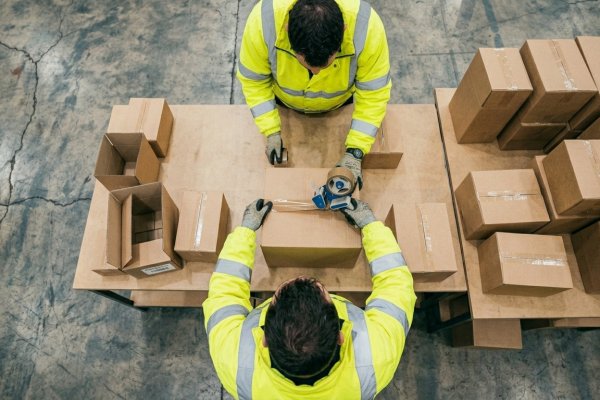
Choosing the right B2C and D2C fulfilment partner can make a dramatic difference to your bottom line. Rather than managing warehousing, packing materials, staff and courier contracts in-house, outsourcing to a specialist UK 3PL allows brands to benefit from economies of scale that would otherwise be unattainable for a smaller business.
Key Cost Drivers in Fulfilment
- Storage fees — based on pallet, shelf or bin space used
- Pick and pack charges — per order or per item
- Courier and shipping rates — often the largest variable cost
- Packaging materials — boxes, void fill, tape, labels
- Returns processing — inspection, restocking, disposal
Understanding each of these cost drivers helps brands identify where savings can realistically be made without sacrificing quality or speed.
The Role of Location: Leeds and Liverpool
Geography plays a bigger role in fulfilment costs than many business owners realise. Cities like Leeds and Liverpool sit at the heart of major UK transport corridors, making them attractive hubs for brands thinking about logistics efficiency.
Leeds: A Northern Logistics Hub
Leeds has long been recognised as a key logistics and distribution centre in the north of England. Its proximity to the M1 and M62 motorways means goods can move quickly to major population centres across Yorkshire, the North West and the Midlands. Many D2C brands based in or around Leeds benefit from shorter transit times to regional customers, which can translate into lower courier costs and faster delivery promises.
Liverpool: A Gateway for Imports
Liverpool's port facilities make it one of the UK's most important gateways for international trade. For D2C brands sourcing products from Asia, Europe or the Americas, shipping through Liverpool can reduce inland transport costs compared to routing everything through southern ports. This is particularly relevant for brands managing bulk imports before distributing stock to a central fulfilment warehouse.
While Beckdale Fulfilment operates from its base in Leicester — centrally positioned to serve the whole of the UK efficiently — understanding regional hubs like Leeds and Liverpool helps brands make smarter decisions about sourcing, importing and distribution networks nationwide.
Import UK: Navigating Costs and Compliance
For many D2C brands, importing stock is an unavoidable part of doing business. Whether it's raw materials, packaging, or finished products, understanding the realities of Import UK processes can help avoid unnecessary costs and delays.
Common Import Challenges
- Customs duties and VAT calculations
- Documentation errors causing delays at ports
- Inconsistent lead times from overseas suppliers
- Storage costs while awaiting customs clearance
Brands that plan their import schedules carefully — ordering in appropriately sized batches and working with experienced logistics partners — tend to avoid the costly pitfalls of rushed shipments or emergency air freight.
Working with a Fulfilment Partner on Imports
A good UK Warehouse partner can take much of the stress out of importing by receiving, checking and storing stock as soon as it arrives in the country. This means brands don't need their own warehouse space or staff to manage goods-in processes, which is particularly valuable for smaller D2C businesses without the infrastructure to handle large deliveries.
Many fulfilment providers also offer support with batch and expiry tracking, which is essential for brands importing food, beauty or health products where regulatory compliance is critical.
Building a Low Cost Fulfilment Strategy
So how exactly can D2C brands reduce their fulfilment costs without cutting corners on service quality? Here are several proven strategies.
1. Outsource to a Specialist 3PL
Rather than leasing warehouse space and hiring staff, outsourcing to a UK Fulfilment specialist allows brands to pay only for the space and services they actually use. This flexibility is invaluable for seasonal businesses or those experiencing rapid growth.
2. Consolidate Shipping Volumes
Shipping rates improve significantly with volume. A UK 3PL Fulfilment provider that handles multiple clients can negotiate better courier rates than an individual brand shipping independently, passing on savings through lower per-parcel costs.
3. Optimise Packaging
Reducing unnecessary packaging weight and size not only cuts material costs but also reduces dimensional weight charges from couriers. Many fulfilment centres offer contract packing services that can advise on the most cost-effective packaging for your specific products.
4. Use Technology to Reduce Errors
Mistakes in picking, packing or stock management cost money. Integrating your online store with a fulfilment partner's systems through data and API integrations reduces manual errors and speeds up order processing.
5. Improve Stock Accuracy
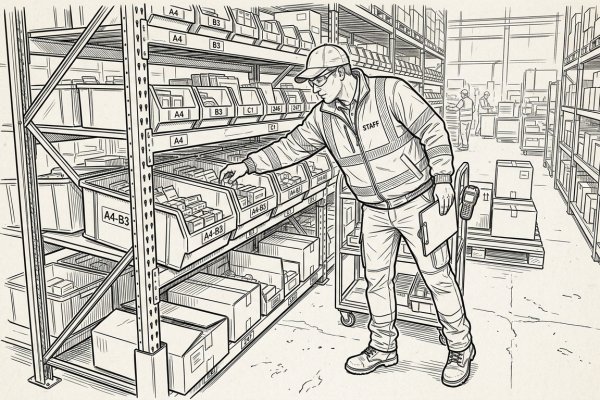
Poor stock traceability leads to overordering, stockouts and wasted storage space. Accurate, real-time inventory tracking helps brands order the right amount of stock at the right time, reducing holding costs.
Fulfilment Across Different Product Categories
Low cost fulfilment strategies can vary depending on what you're selling. Specialist handling requirements affect both storage and packing costs.
- Beauty and skincare products often require careful handling and batch tracking — see beauty fulfilment solutions
- Clothing brands benefit from efficient folding, tagging and returns processes — explore clothing fulfilment services
- Food products require strict temperature control and expiry management — see food fulfilment options
Choosing a fulfilment partner experienced in your specific product category can prevent costly mistakes and compliance issues down the line.
Beyond D2C: Multi-Channel Fulfilment Considerations
Many D2C brands eventually expand into other sales channels, each with its own fulfilment requirements.
Amazon and Marketplace Sales
Brands selling through Amazon often need support with Fulfilled by Amazon (FBA) preparation or Fulfilled by Merchant (FBM) services, both of which have specific labelling and packing requirements.
TV Shopping and Promotional Campaigns
Brands running promotional campaigns or selling through TV shopping channels need fulfilment partners capable of handling sudden spikes in order volume. Similarly, custom sendouts for influencer marketing or gifting campaigns require flexible, fast turnaround packing services.
Wholesale and B2B Orders
As brands grow, many add B2B fulfilment to their operations, supplying retailers or wholesalers alongside direct consumer sales. This requires different packing standards, often involving palletised shipments rather than individual parcels.
Understanding Fulfilment Pricing
One of the biggest challenges for D2C brands is understanding exactly what they'll pay for fulfilment services. Transparent pricing structures help brands budget accurately and avoid unexpected costs.
Many fulfilment providers offer online pricing calculators and pricing examples to help brands estimate costs before committing to a contract. This transparency is particularly valuable for brands comparing multiple providers or forecasting costs as part of a business plan.
Choosing the Right Shipping and Courier Partners
Shipping costs often represent the single largest variable expense in fulfilment. A good fulfilment partner will have established relationships with multiple courier services, allowing brands to choose the most cost-effective option for each order based on destination, weight and delivery speed.
For larger or international shipments, understanding the full range of shipping and delivery options — from parcel couriers through to pallet and container freight — can significantly reduce costs for bulkier orders.
Final Thoughts
Achieving genuinely low cost fulfilment isn't about choosing the cheapest provider on paper — it's about finding a partner whose infrastructure, technology and expertise align with your brand's specific needs. For D2C businesses balancing imports, multi-channel sales and regional distribution across cities like Leeds and Liverpool, working with an experienced Website Fulfilment partner can reduce costs while improving service quality.
Brands that take the time to understand their fulfilment cost drivers, optimise their packaging and shipping choices, and invest in good stock management systems will be well placed to scale sustainably. For more detail on how outsourced fulfilment works, visit www.beckdaleshipping.co.uk to explore options tailored to growing D2C brands across the UK.