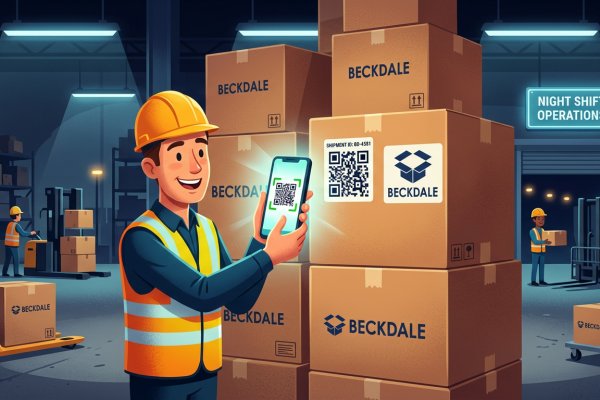
Shopify Fulfilment UK: Strategic Solutions for Growing Businesses
The rapid expansion of ecommerce has transformed how businesses approach order fulfilment, and Shopify merchants across the United Kingdom are increasingly seeking efficient, cost-effective solutions to meet customer expectations. With the rise of online shopping and the demand for faster delivery times, Shopify fulfilment services have become essential for businesses looking to scale without compromising on service quality. Understanding the landscape of UK fulfilment options, particularly when dealing with small products and leveraging carriers like Royal Mail, can make the difference between a thriving online business and one struggling with logistics challenges.
Understanding Shopify Fulfilment in the UK Market
Shopify has established itself as one of the leading ecommerce platforms globally, with thousands of UK-based merchants relying on its robust infrastructure to power their online stores. However, the platform itself doesn't handle the physical aspects of getting products to customers—that's where UK 3PL fulfilment providers come into play.
Third-party logistics partners specializing in Shopify integration offer merchants a seamless solution that automates the entire fulfilment process. When a customer places an order on a Shopify store, the order details are instantly transmitted to the fulfilment warehouse, where staff pick, pack, and dispatch the items—often within the same day. This level of efficiency is particularly crucial for businesses selling small products, where margins may be tighter and operational efficiency directly impacts profitability.
The Role of Integration and Automation
Modern Shopify fulfilment services leverage sophisticated API data integrations that create a bidirectional flow of information between the ecommerce platform and the warehouse management system. This connectivity ensures that inventory levels are updated in real-time, preventing the frustration of overselling products that are out of stock.
For businesses based in Leicester working with a fulfilment warehouse, this integration means they can focus on marketing, product development, and customer service rather than the operational complexities of warehousing and shipping.
Royal Mail: The Backbone of Small Product Delivery
When it comes to shipping small products across the UK, Royal Mail remains the most cost-effective and reliable option for many Shopify merchants. With an extensive network reaching every postcode in the country and competitive pricing for lightweight items, Royal Mail services integrate perfectly with ecommerce fulfilment operations.
Royal Mail Service Options for Shopify Merchants
- Royal Mail 24 and 48: Standard services offering excellent value for non-urgent deliveries, ideal for cost-conscious consumers
- Royal Mail Tracked 24 and 48: Providing peace of mind with tracking capabilities while maintaining competitive pricing
- Royal Mail Special Delivery: Guaranteed next-day delivery by 1pm, perfect for urgent orders or premium service offerings
- Royal Mail International Services: Enabling Shopify merchants to expand globally with tracked and economy international shipping options
Professional courier services that include Royal Mail integration offer Shopify merchants access to discounted bulk shipping rates that individual businesses couldn't negotiate independently. This cost advantage is particularly significant when dealing with high volumes of small product shipments, where even saving a few pence per parcel can translate into substantial annual savings.
Small Products and Postal Efficiency
Businesses selling small products—whether beauty items, jewelry, accessories, phone cases, or other compact goods—benefit enormously from Royal Mail's dimensional pricing structure. Unlike courier services that may charge based on volumetric weight, Royal Mail's pricing for small parcels and large letters offers exceptional value for lightweight items.
Merchants dealing in beauty and skin products or small clothing items find that Royal Mail services perfectly complement their product characteristics, enabling them to offer free or low-cost shipping that consumers expect while maintaining healthy profit margins.
Strategic Locations: Birmingham and Southampton Connectivity
While Beckdale operates from its Leicester base, understanding the strategic importance of locations like Birmingham and Southampton in the UK logistics network helps explain why central positioning matters for efficient nationwide fulfilment.
Birmingham: The Heart of UK Distribution
Birmingham's position at the geographical center of England makes it a crucial hub for distribution networks. Businesses seeking to reach customers across the UK within standard delivery timeframes often consider proximity to Birmingham's excellent transport infrastructure, including:
- Direct motorway access via the M6, M5, M42, and M40
- Birmingham Airport for international freight connections
- Extensive rail networks facilitating rapid ground transportation
- Royal Mail sorting offices ensuring quick postal integration
For Shopify merchants whose customer base spans from Scotland to the South Coast, having fulfilment operations with good connectivity to Birmingham's transport infrastructure means orders dispatched today can reach the majority of UK addresses within Royal Mail's 24-48 hour service windows.
Southampton: Gateway to International Markets
Southampton's significance lies in its role as one of the UK's premier port cities. For Shopify businesses importing products or expanding into European markets, understanding Southampton's logistics ecosystem is valuable:
- Major container port facilitating imports from Asia and worldwide
- Ferry services to Europe enabling efficient continental distribution
- Strong transport links to London and the wider South East
- Proximity to Heathrow and Gatwick airports for air freight
Businesses working with a UK 3PL provider benefit from expertise in managing shipping services that may involve Southampton for import consolidation before products reach the fulfilment warehouse.
Optimizing Shopify Fulfilment for Small Products
Small products present unique opportunities and challenges in the fulfilment landscape. Their compact nature allows for efficient storage and economical shipping, but also requires meticulous inventory management and careful handling to prevent loss or damage.
Warehouse Space Efficiency
One of the primary advantages of dealing with small products is storage density. A fulfilment warehouse can accommodate significantly more units of small items compared to bulkier goods, which translates to lower storage fees for merchants.
Professional fulfilment providers optimize warehouse layouts specifically for different product types, ensuring that fast-moving small items are positioned for quick access while maintaining comprehensive stock traceability systems.
Picking and Packing Considerations
The picking process for small products requires particular attention to detail. Quality B2C fulfilment operations implement several best practices:
- Barcode scanning: Every item scanned during picking to ensure accuracy
- Appropriate packaging: Right-sized mailers and boxes to protect products while minimizing dimensional weight
- Multi-item order optimization: Efficient systems for combining multiple small products into single shipments
- Quality control checkpoints: Verification stages to catch errors before dispatch
For businesses requiring specialized handling, contract packing services can provide custom solutions such as gift wrapping, promotional inserts, or subscription box assembly.
Managing Batch Numbers and Expiry Dates
Certain categories of small products—particularly cosmetics, supplements, and food items—require careful management of batch numbers and expiry dates. Professional fulfilment partners implement FEFO (First Expired, First Out) and FIFO (First In, First Out) protocols to ensure products are dispatched with maximum shelf life remaining.
This attention to detail is crucial for maintaining customer satisfaction and meeting regulatory requirements for products with limited shelf lives.
Cost Considerations and Pricing Transparency
Understanding the true cost of fulfilment is essential for Shopify merchants evaluating their options. While it might seem economical to handle fulfilment in-house initially, the hidden costs of warehouse space, staff, packaging materials, shipping discounts, and technology infrastructure often make outsourcing to specialists more cost-effective as volumes grow.
Reputable fulfilment providers offer transparent pricing structures that typically include:
- Storage fees (usually charged per pallet or per cubic meter)
- Pick and pack fees (per order or per item)
- Shipping costs (often at discounted carrier rates)
- Optional value-added services (kitting, returns processing, etc.)
Merchants can use tools like a pricing calculator to estimate their monthly fulfilment costs based on projected order volumes, helping them make informed decisions about outsourcing logistics.
The Future of Shopify Fulfilment in the UK
As consumer expectations continue to evolve, with same-day and next-day delivery becoming standard rather than premium options, the relationship between Shopify merchants and their fulfilment partners will only grow more critical. Businesses that establish strong website fulfilment foundations now position themselves for sustainable growth.
The integration of advanced technologies, from automated picking systems to AI-driven inventory forecasting, will further enhance the capabilities of UK fulfilment providers. For businesses selling small products through Shopify, partnering with a forward-thinking B2B fulfilment specialist ensures they can adapt to these changes without disrupting their operations.
Choosing the Right Fulfilment Partner
When selecting a fulfilment provider for your Shopify store, consider these essential factors:
- Shopify integration capabilities: Seamless connectivity with your store
- Carrier relationships: Access to Royal Mail and other shipping options
- Geographic positioning: Strategic location for reaching your customer base efficiently
- Scalability: Ability to grow with your business demands
- Specialization: Experience with your product type and category
- Technology infrastructure: Modern systems for inventory visibility and order tracking
- Pricing transparency: Clear, predictable cost structures
By carefully evaluating these criteria and partnering with a professional provider like www.beckdaleshipping.co.uk, Shopify merchants can transform their fulfilment operations from a logistical challenge into a competitive advantage that delights customers and supports business growth across the United Kingdom and beyond.