Running an e-commerce business today means juggling inventory, orders, couriers, and customer expectations all at once. A well-run fulfilment warehouse takes that pressure away by combining smart processes with reliable logistics partners. In this article, we'll explore how concepts like DHL partnerships, FBM (Fulfilled By Merchant) strategies, FIFO stock rotation, and efficient transportation networks come together to create a seamless fulfilment experience for businesses across the UK.
What Does a Fulfilment Warehouse Actually Do?
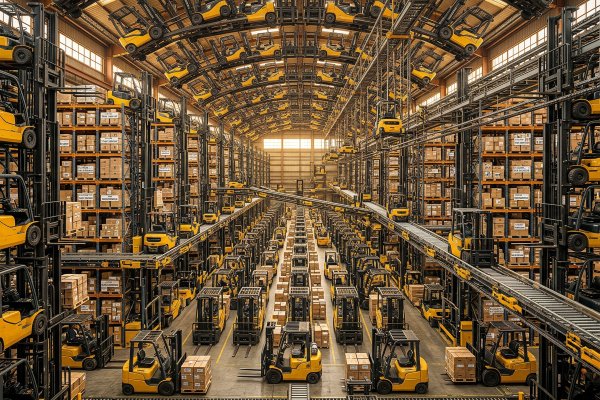
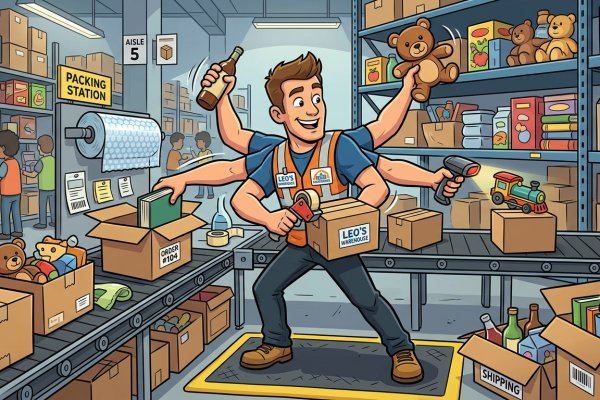
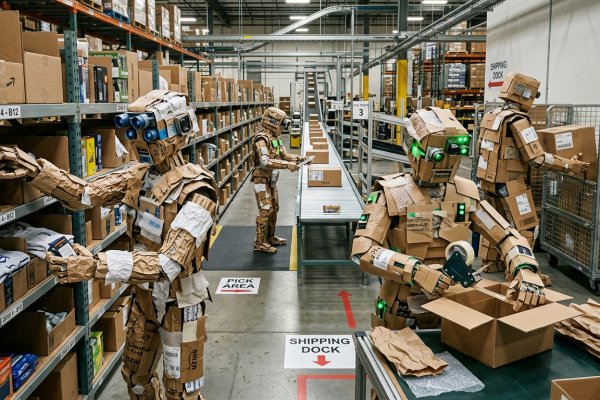
A fulfilment warehouse is far more than just a storage facility. It's a hub where products are received, stored, picked, packed, and shipped to customers or retail partners. Whether you're selling beauty products, clothing, or food items, the right UK Warehouse Fulfilment partner can handle every stage of this process, freeing you up to focus on growing your brand.
For businesses based anywhere from Manchester to London, Bristol to Glasgow, outsourcing fulfilment to a specialist based in Leicester means tapping into central UK logistics without the overhead of managing your own warehouse space, staff, and systems.
Key Services Offered
- Goods-in and inventory management
- Pick and pack services
- Courier integration and despatch
- Returns handling
- Contract packing and promotional builds
If you're interested in the finer details of how packing works behind the scenes, our Contract Packing page explains the process in more depth, covering everything from kitting to custom assembly.
The Role of DHL in Modern Fulfilment
Courier partnerships are the backbone of any fulfilment operation, and DHL remains one of the most trusted names in international and domestic parcel delivery. A fulfilment warehouse that integrates DHL into its courier mix gives sellers access to competitive international shipping rates, reliable tracking, and strong delivery performance across Europe and beyond.
When a warehouse works with multiple couriers rather than relying on just one, it creates flexibility. If DHL is best suited for a European pallet shipment, while a smaller domestic courier handles next-day parcels, the fulfilment provider can choose the most cost-effective and timely option for each order. This multi-courier approach is central to good Courier Services design, blending Royal Mail, Parcel Force, DHL, and others depending on destination and parcel size.
Why Courier Diversity Matters
- Reduces dependency on a single provider's pricing or service disruptions
- Allows for tailored solutions based on destination (domestic vs international)
- Improves delivery speed for time-sensitive orders
- Provides backup options during peak seasons like Christmas or Black Friday
Businesses shipping internationally, perhaps to customers in Dublin, Paris, or further afield, benefit enormously from a fulfilment partner who already has established DHL rates and account management in place, rather than negotiating these relationships themselves.
Understanding FBM: Fulfilled By Merchant
FBM, or Fulfilled By Merchant, refers to a model where the seller (rather than a marketplace like Amazon) handles storage, packing, and shipping of their own products, even when the sale happens through a third-party platform. This is different from FBA (Fulfilled By Amazon), where Amazon takes care of logistics in exchange for storage and fulfilment fees.
Many sellers choose FBM because it offers greater control over branding, packaging, and customer experience. However, managing FBM in-house can be time-consuming and costly at scale. This is where outsourcing to a specialist becomes valuable. Our dedicated Amazon Fulfilled By Merchant (FBM) service allows sellers to maintain the FBM model's flexibility while removing the operational burden of daily packing and despatch.
FBM vs FBA: A Quick Comparison
- FBM: Seller controls packaging, branding, and storage location
- FBA: Amazon controls storage, packing, and shipping, often at the cost of brand customisation
- FBM with 3PL: Seller retains branding control, but a third-party logistics provider manages the physical work
For sellers who also list on Amazon directly, our Fulfilled By Amazon (FBA) prep services ensure products meet Amazon's strict labelling and packaging requirements before they even reach an Amazon warehouse.
FIFO: Why Stock Rotation Matters
FIFO, or First In First Out, is a stock management principle that ensures older inventory is sold or shipped before newer stock. This is particularly critical for perishable goods, cosmetics, and any product with a shelf life, since it reduces waste and ensures customers always receive items within their expected freshness window.
A fulfilment warehouse that practices strict FIFO discipline protects both the seller's reputation and their bottom line. Imagine a food brand whose warehouse accidentally ships stock that's nearing its best-before date ahead of fresher inventory, this could lead to complaints, returns, or worse, lost trust in the brand.
How FIFO Works in Practice
- Products are logged with batch numbers and expiry dates upon arrival
- Warehouse management software tracks which batches arrived first
- Pickers are directed to select the oldest viable stock first
- Regular stock audits confirm rotation is being followed correctly
This process ties closely into Expiry and Batch Number management, which is essential for sectors like Food and Beauty products, where regulatory compliance around expiry dates is non-negotiable.
Traceability Goes Hand in Hand with FIFO
Good FIFO practice isn't just about shipping order, it's about knowing exactly where every unit of stock has been throughout its life in the warehouse. This is where Stock Traceability becomes essential, allowing businesses to trace a product's journey from goods-in through to despatch, which is invaluable in the event of a product recall or quality query.
Transportation: The Connective Tissue of Fulfilment
None of the above matters without reliable transportation. Whether it's inbound stock arriving from manufacturers in Birmingham, Leeds, or overseas via sea freight into Felixstowe, or outbound parcels heading to customers nationwide, transportation planning underpins the entire fulfilment chain.
A fulfilment warehouse needs to coordinate pallet deliveries, container unloading, lorry scheduling, and last-mile courier collection, all while keeping costs manageable. Poor transportation planning leads to delays, which cascade into missed delivery promises and frustrated customers.
Transportation Considerations for Fulfilment
- Inbound logistics: Coordinating container or pallet deliveries from suppliers
- Outbound logistics: Managing daily courier collections and despatch deadlines
- Bulk transportation: Pallet and lorry movements for B2B clients
- International shipping: Coordinating customs documentation and international courier handoffs
For businesses needing larger scale shipments, perhaps pallets moving to a retail distribution centre in Nottingham or a container arriving from overseas, our Shipping Services cover everything from small parcels to full container logistics.
Bringing It All Together: Technology and Data
None of these processes work efficiently without good software behind the scenes. Modern Data Flow integrations connect your online store, whether that's Shopify, WooCommerce, or a marketplace like Amazon or eBay, directly to the warehouse management system. This means orders flow automatically into the pick-and-pack queue without manual data entry, reducing errors and speeding up despatch times.
This kind of integration is particularly valuable for businesses running both Business to Consumer (B2C) and B2B Fulfilment operations simultaneously, where order volumes, packaging requirements, and shipping destinations can vary enormously between channels.
Other Specialist Fulfilment Needs
Not every business fits the standard mould. Some sellers need support with:
- QVC TV Shopping Packing for businesses selling through televised shopping channels
- Custom Sendouts for influencer gifting or promotional campaigns
- Clothing storage and packing, with folding, tagging, and polybagging options
Whatever your niche, a flexible UK 3PL Fulfilment partner should be able to adapt their processes to suit your product and sales channel.
Why Location Matters for Transportation Efficiency
Being centrally located in the UK offers a genuine logistical advantage. A warehouse based in Leicester sits almost equidistant from major cities including London, Birmingham, Sheffield, and Nottingham, making it an efficient hub for distributing goods across England, Scotland, and Wales. This central positioning reduces transit times for both inbound stock and outbound deliveries, which is a key reason many sellers in cities like Liverpool or Cardiff choose a Leicester-based fulfilment partner rather than one tucked away in a remote corner of the country.
Understanding the Cost Side of Fulfilment
Cost transparency matters when choosing a fulfilment partner. Before committing, it's worth reviewing a Pricing Calculator to get a realistic estimate based on your order volumes, and checking Pricing Examples to see how costs compare for similar businesses. This helps avoid surprises down the line and ensures the fulfilment model you choose, whether that's FBM, FBA, or a hybrid, actually makes financial sense for your margins.
Final Thoughts
A truly effective fulfilment warehouse blends several moving parts: dependable courier partnerships like DHL, flexible order models such as FBM, disciplined stock rotation through FIFO, and well-planned transportation networks that keep goods moving smoothly from supplier to customer. Together, these elements form the backbone of a dependable UK Fulfilment operation that businesses across the country, from Leicester to Leeds, Southampton to Sunderland, can rely on to deliver a consistent, professional customer experience.
Whether you're just starting out or scaling an established brand, understanding how these pieces fit together will help you make smarter decisions about where and how your products are stored, packed, and shipped.