The small cosmetics sector has experienced phenomenal growth over the past decade, transforming from a niche market into a thriving industry worth billions. Independent beauty brands, particularly those emerging from vibrant creative hubs like Manchester, are reshaping the beauty landscape with innovative products, sustainable practices, and direct-to-consumer strategies that challenge established multinational corporations. The success of these entrepreneurial ventures increasingly depends on sophisticated yet affordable fulfilment solutions that can scale alongside business growth.
The Small Cosmetics Boom: From Manchester to Nationwide Success
Manchester has established itself as a significant centre for creative industries, with small cosmetics brands flourishing in the city's entrepreneurial ecosystem. The Northern Powerhouse initiative has provided infrastructure and support networks that enable beauty startups to thrive, but success in this competitive market requires more than just exceptional products. Efficient logistics and fulfilment operations have become the backbone of sustainable growth for independent cosmetics brands.
Small cosmetics companies face unique challenges compared to their larger competitors. They must maintain product integrity, manage batch numbers and expiry dates meticulously, ensure compliance with cosmetics regulations, and deliver exceptional customer experiences—all whilst operating on limited budgets. This delicate balance has driven innovation in Business to Consumer (B2C) fulfilment strategies specifically tailored to beauty products.
Barcode Scanning: The Foundation of Modern Cosmetics Fulfilment
Barcode scanning technology has revolutionised inventory management for small cosmetics brands, transforming what was once a manual, error-prone process into a streamlined, accurate system. For beauty products, where traceability and accuracy are paramount, barcode systems provide multiple critical benefits.
Enhanced Inventory Accuracy
Small cosmetics businesses typically manage diverse product ranges with multiple variations—different shades, sizes, formulations, and packaging options. Barcode scanning eliminates the confusion and potential errors associated with manual stock counts. Each product receives a unique identifier that tracks its journey from receiving through to dispatch, creating an unbroken chain of custody that satisfies both regulatory requirements and quality assurance standards.
Modern stock traceability systems integrate barcode scanning with sophisticated warehouse management software, providing real-time visibility across the entire supply chain. This transparency enables Manchester-based brands and those operating from other UK locations to maintain accurate inventory levels, prevent stockouts, and identify slow-moving products that may require promotional attention.
Batch and Expiry Date Management
Cosmetics regulations require rigorous tracking of batch numbers and expiry dates. Barcode scanning automates this compliance burden, ensuring that products are rotated correctly using first-expiry-first-out (FEFO) principles. When integrated with beauty product fulfilment operations, barcode systems automatically flag items approaching their expiry dates, preventing the dispatch of products with insufficient shelf life.
Picking and Packing Efficiency
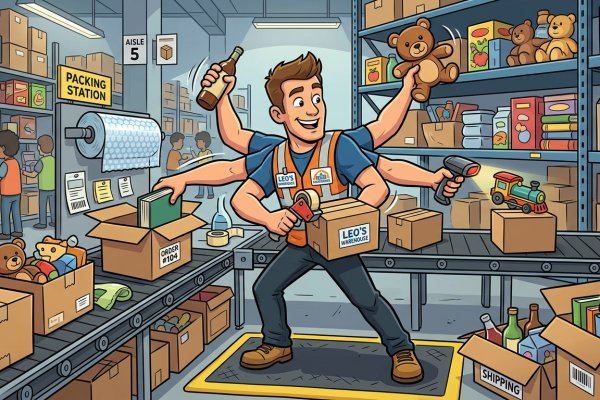
For B2C operations handling multiple daily orders, barcode scanning dramatically improves picking accuracy and speed. Warehouse operatives scan products during the picking process, with the system confirming correct item selection before packing. This verification step virtually eliminates picking errors—a crucial consideration when dealing with cosmetics products where customers expect precise shade matches and specific formulations.
Low-Cost Fulfilment Solutions for Independent Beauty Brands
Budget constraints represent one of the most significant challenges facing small cosmetics companies. Traditional fulfilment arrangements often favour larger brands with high volumes, leaving independent operators struggling with disproportionately expensive logistics costs. However, the UK fulfilment landscape has evolved to accommodate smaller beauty businesses through flexible, scalable solutions.
Variable Cost Structures
Modern UK 3PL fulfilment providers have moved away from inflexible long-term contracts toward pay-as-you-grow models that align costs with actual business activity. Rather than committing to minimum storage volumes or order quantities, small cosmetics brands can access professional warehousing and distribution services with costs that fluctuate according to seasonal demand patterns.
This flexibility proves particularly valuable for beauty businesses experiencing the feast-and-famine cycles common in cosmetics retail—high volumes during holiday seasons and promotional periods, with quieter trading at other times. Variable pricing structures ensure that brands aren't paying for unused capacity during slow periods whilst maintaining access to scalable resources when demand surges.
Shared Resources and Economies of Scale
Strategic contract packing arrangements allow small cosmetics companies to benefit from economies of scale previously available only to major corporations. By sharing warehouse space, equipment, and labour resources with other businesses, independent brands access sophisticated facilities and technology at fractional costs.
A Leicester-based fulfilment warehouse, for example, might serve multiple small cosmetics brands alongside other beauty and personal care companies, distributing fixed overheads across numerous clients. This shared-resource model enables investment in advanced barcode scanning systems, temperature-controlled storage, and integrated software platforms that would be prohibitively expensive for individual small businesses to implement independently.
Technology Investment Without Capital Expenditure
Partnering with an established UK 3PL eliminates the need for small cosmetics brands to invest in expensive warehouse management systems, barcode scanning hardware, or integration platforms. These capabilities come bundled within the fulfilment service, providing immediate access to enterprise-grade technology without capital expenditure or ongoing IT support costs.
B2C Strategies for Small Cosmetics Success
The direct-to-consumer revolution has levelled the playing field between established beauty conglomerates and nimble independent brands. Small cosmetics companies from Manchester, Birmingham, Bristol, and across the UK have built substantial businesses by cultivating direct relationships with customers, bypassing traditional retail gatekeepers entirely.
Website Integration and Automated Order Processing
Successful B2C cosmetics operations rely on seamless integration between e-commerce platforms and fulfilment systems. When a customer places an order on a brand's website, automated data flow transmits order details directly to the warehouse, triggering immediate picking, packing, and dispatch processes without manual intervention.
This automation delivers multiple benefits for small beauty brands:
- Reduced labour costs through elimination of manual order entry
- Faster order processing enabling same-day dispatch capabilities
- Improved accuracy by removing human transcription errors
- Better customer experience through automated tracking updates
- Scalability to handle volume spikes without proportional staff increases
Packaging and Brand Experience
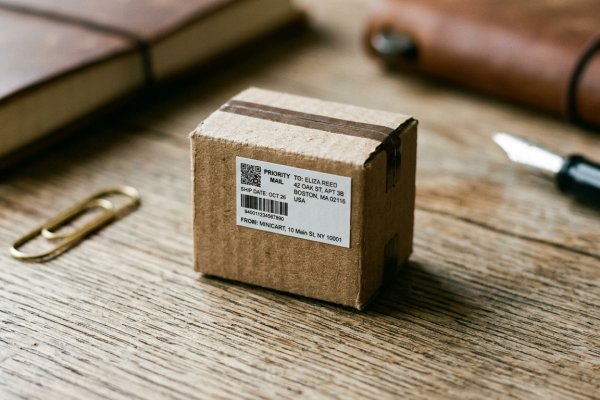
Small cosmetics brands often differentiate themselves through exceptional unboxing experiences that create shareable social media moments. Custom sendout services enable independent beauty companies to maintain their distinctive brand presentation whilst benefiting from professional fulfilment operations.
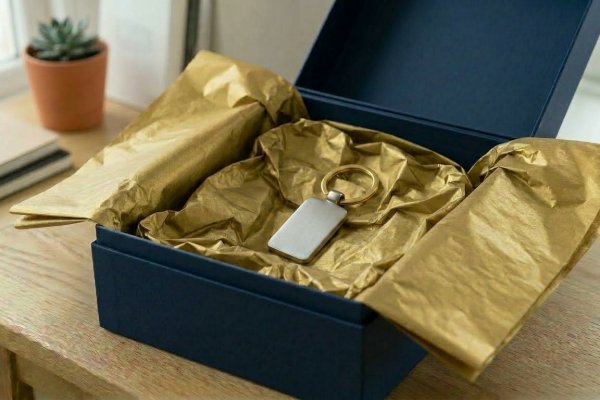
From branded tissue paper and personalised thank-you cards to product samples and promotional inserts, sophisticated packing services help small brands compete with premium beauty retailers on customer experience. These touches transform routine deliveries into memorable brand interactions that drive customer loyalty and word-of-mouth marketing.
Multi-Channel Distribution
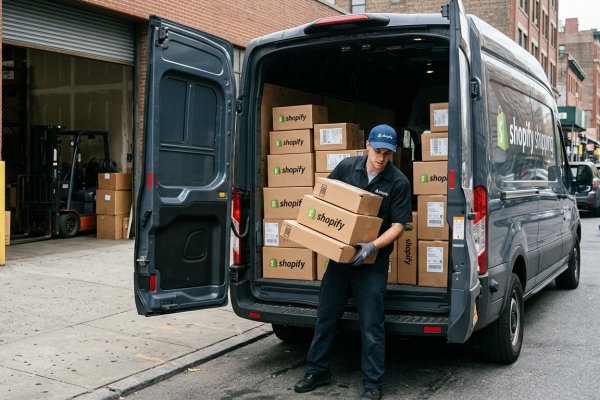
Whilst many small cosmetics brands begin as purely direct-to-consumer operations, growth often requires expansion into additional sales channels. Modern fulfilment solutions support multi-channel distribution strategies, enabling beauty brands to sell simultaneously through their own websites, Amazon FBA, Amazon FBM, and marketplace platforms whilst maintaining centralised inventory control.
Barcode scanning systems prove essential in multi-channel environments, ensuring that inventory allocated to different sales channels remains accurate and that orders from various platforms are picked correctly. This technology prevents the overselling that occurs when inventory visibility is poor across multiple selling channels.
Shipping and Delivery Considerations for Beauty Products
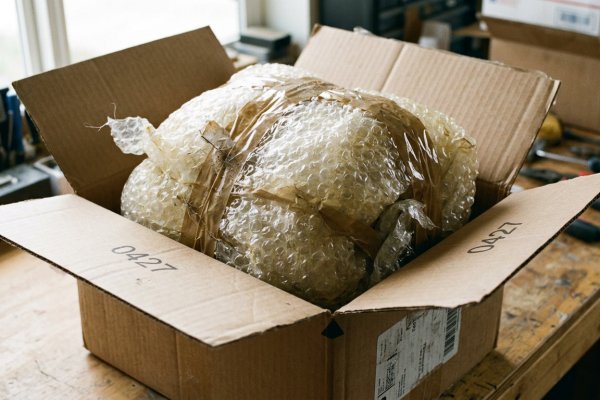
Small cosmetics companies must navigate complex courier service options to balance cost, speed, and reliability. Beauty products often require careful handling to prevent damage, with liquid formulations particularly vulnerable to leakage during transit.
Professional shipping services provide expertise in packaging cosmetics appropriately for various delivery methods, selecting optimal carriers based on destination, delivery timeframe, and product characteristics. For international expansion—increasingly important as Manchester beauty brands and others build global customer bases—experienced fulfilment partners navigate customs documentation, restricted ingredients lists, and international shipping regulations that can overwhelm small businesses attempting to manage logistics independently.
Cost Transparency and Planning
Understanding fulfilment costs represents a critical competency for small cosmetics businesses operating on tight margins. The beauty industry's competitive pricing environment demands precise cost accounting to maintain profitability whilst remaining price-competitive.
Progressive fulfilment providers offer transparent pricing calculators and detailed pricing examples that enable beauty brands to model costs accurately before committing to partnerships. This transparency helps small companies make informed decisions about which fulfilment arrangements align with their business models and growth trajectories.
The Future of Small Cosmetics Fulfilment
The trajectory for independent beauty brands remains strongly positive, with consumers increasingly favouring authentic, innovative small companies over impersonal multinational corporations. Success in this evolving landscape will continue to depend on operational excellence, with fulfilment capabilities often determining which brands scale successfully and which struggle despite having exceptional products.
Barcode scanning technology will become increasingly sophisticated, with developments in artificial intelligence and machine learning enhancing accuracy and efficiency further. Small cosmetics companies that embrace these technologies through partnerships with forward-thinking www.beckdaleshipping.co.uk providers position themselves advantageously for continued growth.
As the beauty industry continues its digital transformation, the barriers between small Manchester startups and established London beauty houses diminish further. With access to professional, affordable fulfilment solutions incorporating advanced barcode scanning, automated processing, and multi-channel distribution capabilities, independent cosmetics brands can compete effectively regardless of their size or location. The democratisation of sophisticated logistics infrastructure ensures that innovation, quality, and customer service—not just capital resources—determine success in the vibrant, competitive world of small cosmetics.