Contract packaging has become one of the most valuable services for growing brands across the UK. Whether you're launching a new skincare range, shipping out subscription boxes, or managing a busy e-commerce store, outsourcing your packing operations can save time, reduce costs, and improve consistency. In this article, we'll explore the key components of contract packaging, including how pricing works, the role of transportation, why beauty product specialists matter, and how effective inventory management ties everything together.
Businesses from Manchester to Bristol, and from Glasgow to London, are increasingly turning to specialist contract packing partners rather than trying to manage packing operations in-house. It simply makes more commercial sense to let experts handle the logistics while you focus on growing your brand.
What Is Contract Packaging?
Contract packaging (often shortened to "contract packing" or "co-packing") is the process of outsourcing the packing, assembly, and sometimes even the manufacturing of products to a third-party company. This can include everything from simple boxing and labelling to complex multi-component kitting, promotional bundling, and bespoke gift sets.
For many brands, especially those experiencing rapid growth, bringing packing in-house is simply not practical. Space constraints, staffing issues, and the sheer complexity of modern retail requirements (think barcodes, batch tracking, and multi-channel distribution) make it far more efficient to partner with a dedicated contract packing provider.
Common Contract Packaging Services
- Product assembly and kitting
- Shrink wrapping and bundling
- Promotional and seasonal packing
- Retail-ready packaging compliance
- Barcode application and labelling
- Custom gift box creation
Many of these services overlap with wider Custom Sendouts, which you can explore in more detail via promotional packing services.
Understanding Pricing: Why a Price Calculator Matters
One of the most common questions brands ask when considering contract packaging is simply: how much will this cost? The answer, unfortunately, isn't always straightforward, as pricing depends on numerous variables including product size, packaging complexity, order volume, and turnaround times.
This is exactly why a good price calculator is such a valuable tool. Rather than waiting days for a quote, brands can get an instant estimate based on their specific requirements. A transparent pricing structure helps businesses budget accurately and compare costs against running packing operations in-house.
Factors That Influence Contract Packaging Costs
- Number of units being packed per month
- Complexity of the packing process (single item vs multi-component kits)
- Packaging materials required (boxes, tissue paper, branded inserts)
- Storage requirements between packing and dispatch
- Seasonal demand fluctuations
If you're curious about typical costs, it's worth exploring a pricing calculator to get a rough idea before requesting a formal quote. You can also review real-world pricing examples to understand how costs scale with order volume.
The Role of Transportation in Contract Packaging
Packaging doesn't exist in isolation—it's intrinsically linked to transportation and delivery. Once products are packed, they need to move efficiently from the warehouse to the end customer, retailer, or distribution centre. This is where a strong logistics network becomes essential.
Whether you're shipping pallets to a distribution hub in Birmingham, sending individual parcels to customers in Edinburgh, or exporting goods internationally, transportation needs to be factored into your packaging strategy from day one. Poor coordination between packing and shipping can lead to delays, increased costs, and unhappy customers.
Transportation Options to Consider
- Courier services for individual parcel deliveries
- Pallet networks for bulk B2B shipments
- Lorry and container transport for large volume orders
- Specialist cold-chain transport for temperature-sensitive goods
Reliable shipping services should integrate seamlessly with your packing operation. The best providers manage both under one roof, reducing handoff errors and improving overall efficiency. For smaller parcel deliveries, it's also worth understanding the different courier service options available, from Royal Mail to DHL and Parcel Force.
Why Beauty Product Specialists Make a Difference
Not all products are created equal when it comes to packing requirements, and beauty products are a prime example. From delicate glass bottles to sensitive formulations that require specific handling, beauty and skincare brands often need a packing partner with specialist knowledge.
Beauty product specialists understand the nuances of this sector, including:
- Fragile packaging that requires careful handling to avoid breakages
- Batch and expiry date tracking for regulatory compliance
- Correct labelling in line with cosmetic regulations
- Protective packaging to prevent leaks during transit
- Seasonal promotional bundling for gift sets
Working with a provider experienced in the beauty and skincare storage, packing, and distribution space can make a significant difference to product quality and customer satisfaction. Breakages, leaks, or incorrect labelling can be costly—both financially and reputationally—so choosing a specialist partner is a smart move for any beauty brand.
Compliance and Traceability in Beauty Packing
Beyond the physical packing process, beauty products often require strict expiry and batch number tracking. This ensures that in the rare event of a product recall or quality issue, brands can trace exactly which batch was affected and where it was shipped. You can learn more about how this works via expiry and batch number management.
Inventory Management: The Backbone of Contract Packaging
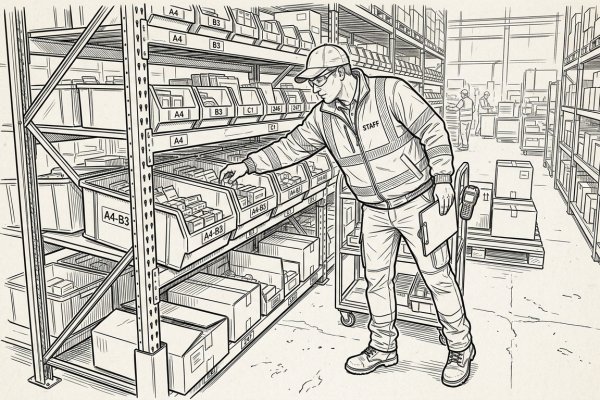
None of the above matters much if inventory isn't properly managed. Effective inventory management is the glue that holds the entire contract packaging process together. Without accurate stock visibility, brands risk running out of raw packaging materials, over-ordering components, or worse—shipping incorrect or expired products to customers.
Modern contract packing providers typically use integrated software systems that provide real-time visibility into stock levels. This is particularly important for brands operating across multiple sales channels, including their own website, Amazon, and TV shopping platforms.
Key Benefits of Strong Inventory Management
- Reduced risk of stockouts or overstocking
- Accurate forecasting for seasonal demand
- Improved stock traceability throughout the supply chain
- Faster order processing and dispatch times
- Better financial planning through accurate stock valuation
Brands that want full visibility over their stock movements should look into stock traceability solutions, which allow you to track product history from arrival at the warehouse right through to final dispatch.
Additionally, many providers now offer data flow integrations, connecting your sales platforms directly with the warehouse management system. This reduces manual data entry errors and ensures orders are processed quickly and accurately.
How Contract Packaging Fits Into Wider Fulfilment Strategy
Contract packaging rarely operates as a standalone service—it's usually part of a broader fulfilment strategy. Many brands combine packing services with wider warehousing, storage, and distribution solutions under one roof.
For example, a growing clothing brand might need both clothing storage and packing as well as contract packaging for promotional bundles. Similarly, food brands often require specific handling for food product storage and packing, including temperature control and shelf-life management.
Multi-Channel Fulfilment Considerations
Brands selling across multiple platforms need a packing partner who understands the specific requirements of each channel:
- Amazon FBA - requires specific labelling and packaging standards; see FBA packing requirements
- Amazon FBM/SFP - different packing and dispatch rules apply; details available at FBM and SFP packing
- QVC and TV shopping channels - unique packing standards for broadcast retail; see QVC packing services
- B2B orders - bulk packing for wholesale and retail partners via B2B fulfilment
- B2C/D2C orders - direct-to-consumer packing for website sales through B2C and D2C fulfilment
A strong UK Fulfilment partner should be able to adapt their packing processes to suit whichever channel your products are sold through, ensuring compliance and consistency across the board.
Choosing the Right Contract Packaging Partner
With so many factors to consider, choosing the right partner can feel overwhelming. Here are a few practical tips to guide your decision:
- Request a detailed quote using a transparent price calculator
- Ask about their experience with your specific product category (especially important for beauty brands)
- Check how transportation and shipping are integrated into their service
- Enquire about their inventory management systems and software capabilities
- Look for case studies or testimonials from similar businesses
A reputable UK Warehouse provider should be transparent about their processes, pricing, and capabilities from the very first conversation. Don't be afraid to ask detailed questions about how they handle specific scenarios relevant to your business.
Final Thoughts
Contract packaging is far more than just putting products into boxes. It's a strategic function that touches pricing, transportation, specialist product knowledge, and inventory accuracy. Brands that invest time in finding the right partner—one who understands their specific product category and sales channels—often see significant improvements in efficiency, cost control, and customer satisfaction.
Whether you're a beauty brand needing specialist handling, an e-commerce store requiring seamless Website Fulfilment, or a wholesale business managing complex B2B orders, the right contract packing partner can transform your operations. Taking the time to understand pricing structures, transportation logistics, and inventory systems will put you in a strong position to make an informed decision for your business's future growth.