Ask any online seller what keeps them up at night and "which courier should I use" will usually come somewhere near the top of the list, right after stock levels and cash flow. It is a bigger decision than it first appears. The right courier can turn a one-off buyer into a repeat customer; the wrong one can bury you in complaints about missed slots and damaged boxes. Having packed and dispatched thousands of parcels a week from our warehouse in Leicester, we have seen pretty much every carrier in action, so we thought it was time to put together an honest rundown of the ten biggest names moving parcels around the UK right now.
Whether you are shipping jewellery to Edinburgh, skincare to Cardiff, or pallets of stock down to a distribution hub in Bristol, the courier you pick needs to match what you are actually sending. Here is how the major players stack up.
1. Royal Mail
Royal Mail remains the one courier that genuinely reaches every address in the UK, and it does so at the same uniform price regardless of whether the parcel is going to central London or a croft in the Outer Hebrides. As the UK's designated universal postal service provider, it is still the default choice for small, lightweight parcels. Services like Tracked 24 and Tracked 48 come with photo proof of delivery and safe place options, and with over 24,000 drop-off points including Post Office branches, getting a parcel into the network is rarely a problem.
Best for
Small, lightweight parcels and complete UK-wide reach.
2. DPD UK
If your customers care about knowing exactly when their parcel is arriving, DPD is hard to beat. Its signature "Predict" service gives recipients a precise one-hour delivery window along with live GPS tracking of the driver, which cuts down enormously on the "where is my parcel" messages. DPD is consistently praised for its customer transparency, and its nationwide network of Pickup Shops gives shoppers plenty of flexibility if they are not going to be home.
Best for
Timed next-day delivery and premium tracking.
3. Evri (formerly Hermes)
Evri has built its reputation on being the budget option for high-volume e-commerce sellers, and it remains hugely popular with eBay, Vinted, and Etsy users who need to keep shipping costs down without disappearing margin on every sale. Following its merger with DHL eCommerce UK, Evri now operates a genuinely massive network of over 10,000 local ParcelShops and parcel lockers, which makes drop-off convenient even for sellers shipping from home.
Best for
Low-cost, high-volume e-commerce and marketplace shipping.
4. Parcelforce Worldwide
As a subsidiary of the Royal Mail Group, Parcelforce specialises in exactly the kind of items that cause other couriers problems: parcels up to 30 kg, oversized boxes, and anything of higher declared value. It offers guaranteed next-day delivery windows, with options for 9 AM, 12 PM, or standard 24/48 hour service, plus higher standard protection cover as a result. If you are shipping anything heavy or bulky on a regular basis, this is usually where the conversation starts.
Best for
Heavy, bulky, or higher-value parcels.
5. DHL Express
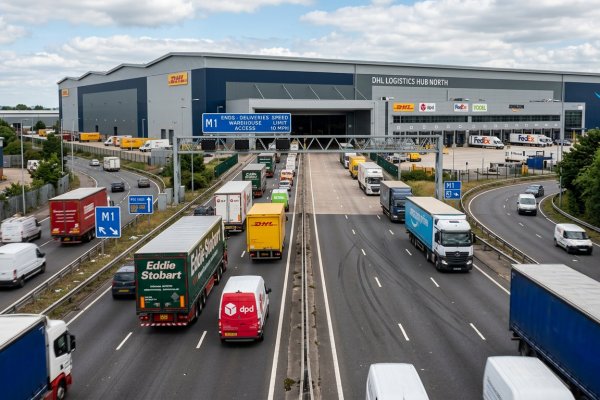
DHL Express is the name most people reach for when a parcel absolutely has to leave the country and arrive fast. As a global logistics leader covering 220+ countries and territories, DHL is known for cross-border express delivery, high reliability, and genuinely comprehensive tracking. Its customs clearance services also tend to be smoother than most, which matters enormously if you are shipping internationally and want to avoid parcels sitting in a bonded warehouse for a week.
Best for
Fast, high-priority international shipping.
6. UPS (United Parcel Service)
UPS has long been the go-to for B2B shipments, high-value items, and transatlantic logistics. It combines strong domestic and international reach with extensive scheduled collection options, plus a network of Access Points for pickup that suits businesses shipping commercially rather than one parcel at a time. The tracking is precise and reliability tends to be high, which is why so many industrial and commercial shippers default to UPS without really shopping around.
Best for
B2B shipments, high-value items, and transatlantic logistics.
7. FedEx UK
FedEx built its name on time-definite express deliveries, and that reputation still holds. Alongside next-day morning slots across the UK, it runs global air cargo and supply-chain logistics services for businesses that need freight moved on a tight schedule. It is not usually the cheapest option on the shelf, but for time-critical business shipping it rarely lets you down.
Best for
Time-critical business shipping and express global freight.
8. Yodel
Yodel partners extensively with major retail brands to handle high-volume e-commerce delivery, and it has leaned into convenience features to stay competitive: two-hour delivery windows, safe place options, and integration with the InPost locker network for out-of-home returns and collection. It sits firmly in the economy residential delivery bracket, which makes it a sensible fit for sellers who need volume handled affordably rather than premium white-glove service.
Best for
Economy residential deliveries and flexible drop-off options.
9. InPost
InPost has quietly changed how a lot of people in the UK receive parcels. It operates thousands of automated self-service parcel lockers outside supermarkets, transit hubs, and petrol stations, giving customers a contactless, 24/7 collection option that fits around work and life rather than the other way round. It is particularly well suited to peer-to-peer selling, since locker-to-locker or locker-to-door delivery can happen without needing a printed label at all.
Best for
Contactless 24/7 locker drop-offs and returns.
10. DX (DX Freight & DX Express)
DX occupies a slightly different niche to the rest of this list. It specialises in last-mile delivery for items that traditional parcel networks struggle with, things like irregular dimension items, oversized parcels, building materials, B2B overnight deliveries, and tracked secure document exchange for legal and corporate clients. If you have ever tried to ship something an inch too long for a standard courier's size limits, DX is usually the answer.
Best for
Irregular dimension items, heavy freight, and secure document exchange.
So which courier should you actually use?
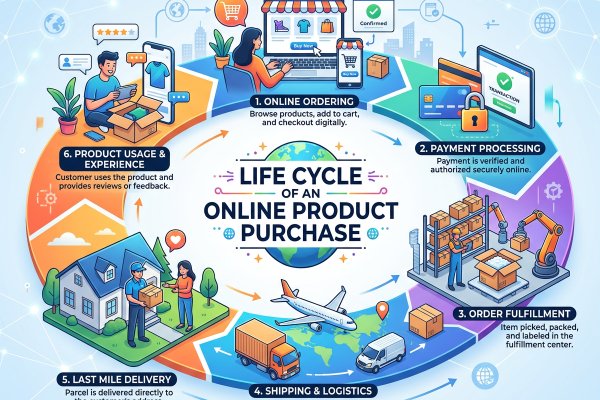
Here is the honest answer: most growing businesses end up using more than one. A seller shipping small beauty orders to customers across the country might lean on Royal Mail or Evri for day-to-day volume, switch to Parcelforce for a bulkier gift set, and bring in DHL Express the moment an order needs to cross a border. The trick is not picking a single "best" courier, it is matching the right service to the right parcel every single time, which is exactly the kind of decision-making that gets harder the more orders you process.
- Light, standard UK parcels: Royal Mail or Evri
- Premium, timed domestic delivery: DPD UK
- Heavy or oversized items: Parcelforce or DX
- International express: DHL Express, UPS, or FedEx UK
- Budget residential volume: Yodel
- Locker-based convenience: InPost
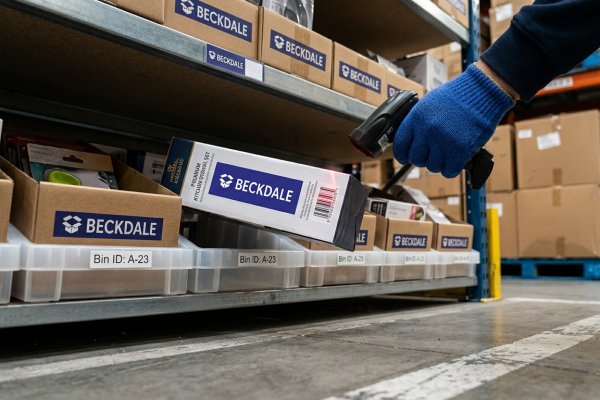
This is really where a lot of our clients' headaches start to disappear. Rather than managing six separate courier accounts, printing labels from three different portals, and trying to remember which carrier takes parcels over 20 kg, it gets handled as part of the picking and packing process. Our courier services set-up at our Leicester warehouse means we choose the most sensible carrier for each order automatically, based on weight, destination, and service level, without the client needing to think about it at all.
Why this matters more once you are scaling
When you are sending ten parcels a week from your spare room, you can afford to think carefully about which courier to use for each one. When that number becomes two hundred a day, it stops being practical. This is usually the point where businesses start looking seriously at outsourced UK Fulfilment, because the courier decision gets wrapped into a much bigger set of problems: storage, stock accuracy, batch and expiry tracking, and getting orders out the door the same day they come in.
We see this constantly with clients moving from garage-based operations into a proper Fulfilment Warehouse setup. A beauty brand shipping serums with strict shelf-life requirements needs the sort of batch and expiry tracking that a kitchen table operation simply cannot provide. A clothing seller juggling size runs and returns needs proper stock traceability. And a food brand shipping nationwide from Leicester to customers in Glasgow, Newcastle, and beyond needs a courier strategy that accounts for temperature-sensitive items as well as speed.
Different products, different courier needs
It is worth noting that the "best" courier genuinely changes depending on what you sell. We handle storage and dispatch for beauty and skincare brands, clothing labels, and food producers, and each category tends to favour a slightly different courier mix based on fragility, weight, and how quickly the item needs to move. Sellers working through QVC and TV shopping channel deadlines, for instance, often need guaranteed next-day windows that only a handful of these couriers can reliably promise.
The same logic applies to marketplace sellers. Whether you are running Fulfilled by Amazon stock, managing your own Fulfilled by Merchant orders, or running a standalone direct-to-consumer site, the courier network sitting behind your checkout page has a direct effect on conversion rates and repeat purchases. Customers notice when delivery promises are not kept.
Bringing it all together
There is no single courier that does everything well, and anyone who tells you otherwise is usually trying to sell you something. Royal Mail wins on reach, DPD wins on precision, Evri wins on cost, Parcelforce and DX handle the awkward stuff, DHL, UPS, and FedEx cover international and commercial needs, while Yodel and InPost give customers flexible, low-cost options for how they receive their parcels. Most successful online retailers end up using a blend of these, adjusted order by order.
If managing that blend sounds like more admin than you signed up for, that is largely the point of outsourcing it. Our team in Leicester runs B2B fulfilment, custom sendouts, and contract packing for brands shipping to every corner of the UK, from Aberdeen to Plymouth, backed by data integrations that keep courier selection and tracking automatic rather than manual. If you want to see what that could cost for your own order volumes, our pricing calculator and pricing examples are a reasonable place to start, and you can read more about how we work on our about page.
Ultimately, picking the right courier is about understanding your product, your customer's expectations, and your own growth plans, not just chasing the cheapest label price. Get that balance right and the rest, frankly, takes care of itself.