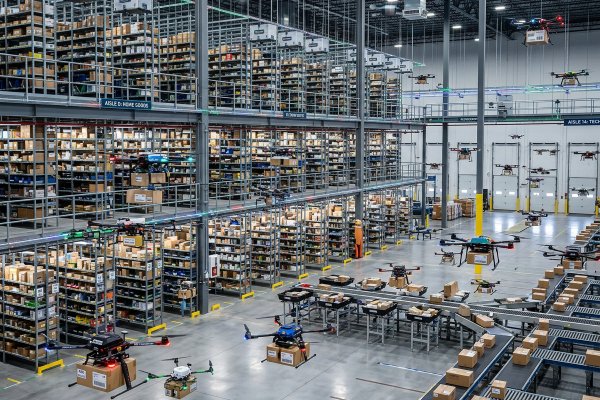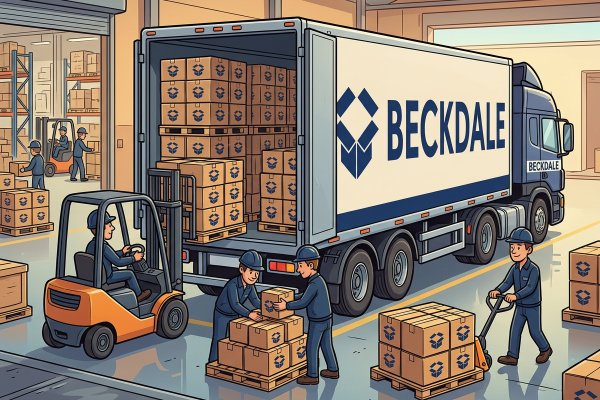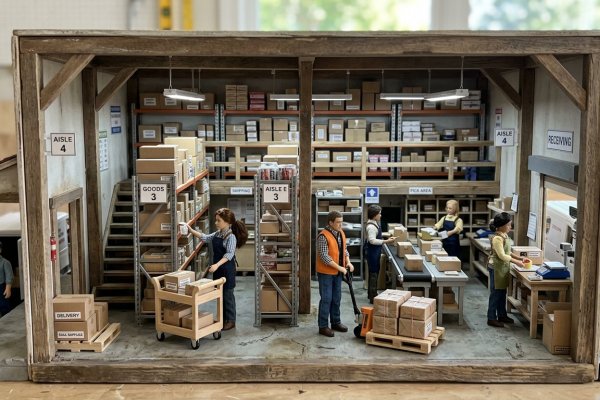
Ecommerce sellers based in London are discovering a hard truth: running fulfilment in-house inside the capital is becoming one of the most expensive and inefficient decisions a growing brand can make. Sky-high rents, congestion charges, and limited warehouse space have pushed savvy retailers to look outside the M25 for a smarter solution. The answer, increasingly, is UK Fulfilment delivered from purpose-built facilities with the technology and expertise to outperform anything a small London unit could offer.
This article explores why London-based brands are rethinking their logistics strategy, how proper inventory management and WMS Software transform order accuracy, and why Amazon's FBM programme is becoming a favourite route for sellers who want control without the overheads of self-fulfilment.
The London Fulfilment Problem
London has long been the commercial heart of the UK, but it was never designed to be a warehousing hub. Industrial space in and around the city has shrunk dramatically as developers convert warehouses into flats and offices. The result is that any business attempting to store stock, pick orders, and pack parcels from a London postcode is paying a premium for square footage that could be used far more productively elsewhere.
Rising Costs and Shrinking Margins
Every pallet of stock sitting in a London unit is costing a business significantly more than the same pallet stored in the Midlands. When you factor in staffing costs, business rates, and the sheer difficulty of recruiting warehouse operatives in a competitive labour market, it becomes clear why so many brands are outsourcing to a dedicated UK Warehouse partner instead.
Why Location Still Matters
Interestingly, moving fulfilment out of London doesn't mean losing speed. Regions such as Leicester, Birmingham, Manchester, and Nottingham all sit centrally within the UK's motorway network, meaning parcels can reach London, Scotland, and Wales within a similar timeframe to a London-based warehouse — often faster once you account for city centre traffic delays.
What Modern Inventory Management Actually Looks Like
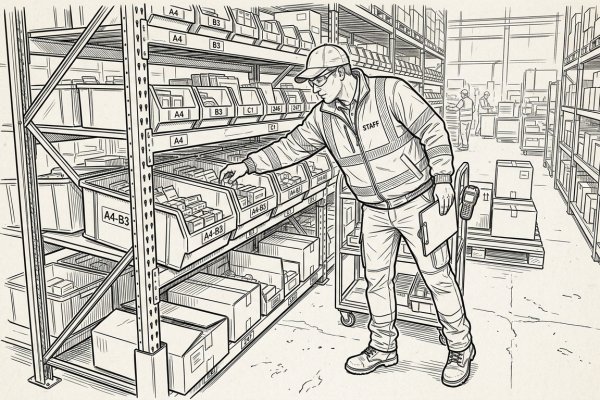
Gone are the days of spreadsheets and manual stock counts. Professional inventory management today relies on real-time data, barcode scanning, and automated reorder triggers that prevent stockouts before they happen. For brands selling across multiple channels, this level of visibility is not a luxury — it's essential.
- Real-time stock visibility across every sales channel
- Automated low-stock alerts to avoid missed sales
- Accurate batch and expiry date tracking for regulated products
- Full stock traceability from goods-in to despatch
- Seamless integration with ecommerce platforms via data flow and API connections
Without this infrastructure, sellers risk overselling products, shipping incorrect items, or losing track of stock altogether — all of which damage customer trust and hurt long-term growth.
The Role of WMS Software in Modern Fulfilment
At the centre of any serious fulfilment operation sits the WMS Software — the Warehouse Management System that coordinates everything from goods-in to final despatch. A good WMS doesn't just track stock; it actively drives efficiency across the entire warehouse floor.
Key Benefits of a Strong WMS
- Accuracy: Barcode-driven picking reduces human error to near zero.
- Speed: Optimised pick paths mean orders move faster from shelf to parcel.
- Transparency: Clients can log in and see stock levels, order statuses, and dispatch confirmations instantly.
- Scalability: As order volumes grow during peak seasons or promotional pushes, the software scales without requiring a complete operational overhaul.
For brands selling through platforms like Shopify, a direct integration between their store and the warehouse's WMS means orders flow automatically into the pick-and-pack queue the moment they're placed — no manual data entry, no delays, no mistakes.
Understanding FBM and Why It's Growing in Popularity
Amazon sellers are often faced with a choice between Fulfilled by Amazon (FBA) and FBM — Fulfilled by Merchant. While FBA has its advantages, many established sellers are shifting toward FBM because it gives them far greater control over packaging, branding, and stock management.
Why Sellers Choose FBM
- Avoiding Amazon's long-term storage fees and strict inbound restrictions
- Greater control over how products are packed and presented to customers
- Flexibility to use the same stock pool for Amazon, Shopify, and other marketplaces simultaneously
- Reduced risk of stranded inventory during Amazon policy changes
The challenge with FBM is that sellers need a reliable fulfilment partner capable of hitting Amazon's strict dispatch and tracking requirements. This is where a professional FBM packing service backed by solid WMS software becomes invaluable — orders are picked, packed, and shipped within the tight windows Amazon demands, with tracking uploaded automatically.
How a UK 3PL Brings It All Together
A capable UK 3PL doesn't just store boxes — it becomes an extension of a brand's operations. From contract packing and promotional kitting to full B2B fulfilment and B2C despatch, the right partner handles the operational complexity so founders can focus on marketing, product development, and growth.
Sectors That Benefit Most
Certain industries see particularly strong results from outsourcing to a specialist fulfilment centre:
- Beauty and skincare brands requiring careful batch control
- Clothing retailers needing size and SKU-level accuracy
- Food and drink brands with strict expiry tracking needs
- Sellers supplying QVC and TV shopping channels, where turnaround speed is critical
Each of these sectors has unique compliance and packing requirements, and a fulfilment warehouse experienced across multiple industries can adapt processes accordingly rather than forcing every client into a one-size-fits-all system.
Shipping and Courier Considerations
Fulfilment doesn't end once a parcel is packed — getting it to the customer efficiently is just as important. A strong Website Fulfilment partner will have negotiated rates across multiple courier services, giving sellers access to better shipping prices than they could secure independently. Whether it's Royal Mail for small parcels, DPD for next-day delivery, or pallet freight for bulk B2B orders, having multiple shipping options under one roof simplifies logistics considerably.
Custom and Promotional Sendouts
Beyond standard order fulfilment, many brands also require custom sendouts for influencer kits, press packages, or promotional campaigns. A flexible fulfilment centre can handle these one-off projects alongside day-to-day order processing without disrupting normal operations.
Comparing Costs: London vs Outsourced UK Fulfilment
When brands finally run the numbers, the case for outsourcing becomes difficult to ignore. A pricing calculator can quickly illustrate how much a business might save by relocating stock away from a London unit, factoring in storage, picking, packing, and shipping costs. Many sellers are surprised to find that a dedicated fulfilment pricing example comes in significantly cheaper than their current in-house setup — even after adding courier charges.
Hidden Costs of DIY Fulfilment
- Staff recruitment, training, and holiday cover
- Packaging material storage and wastage
- Software licensing for basic stock tracking
- Opportunity cost of founder time spent packing boxes instead of growing the business
Once these hidden costs are accounted for, a professional fulfilment warehouse often proves to be the more profitable long-term choice, even for brands that started out proudly handling everything themselves from a spare room or small London office.
Making the Switch: What to Look For
For London sellers considering a move away from self-fulfilment, choosing the right partner is critical. Key factors to evaluate include:
- Does the provider offer a modern WMS Software platform with client-facing dashboards?
- Can they handle both FBM and FBA alongside direct website orders?
- What level of inventory management and batch traceability do they provide?
- Are their location and courier network capable of reaching London and the rest of the UK quickly?
- Do they have experience in your specific product category?
A thorough onboarding process, clear reporting, and responsive customer service are also strong indicators of a fulfilment partner worth trusting with your stock and your customer relationships.
Final Thoughts
The shift away from London-based self-fulfilment isn't a passing trend — it's a structural change driven by rising costs, growing order volumes, and the increasing sophistication of warehouse technology. Brands that embrace proper inventory management, leverage WMS Software, and explore flexible options like FBM are positioning themselves to scale faster and more profitably than competitors still packing boxes from a cramped London unit.
As the UK ecommerce landscape continues to mature, outsourcing to an experienced UK 3PL isn't just a cost-saving measure — it's becoming a competitive necessity for any brand serious about long-term growth.