The small cosmetics market has exploded in recent years, with independent beauty brands popping up from Liverpool to Leeds and everywhere in between. Whether it's a boutique skincare line, an indie makeup brand, or a niche fragrance house, small cosmetics businesses are carving out loyal customer bases through social media, pop-up shops, and online stores. But as these brands grow, one challenge becomes unavoidable: logistics.
Packing lip balms, serums, and eyeshadow palettes from a spare room might work when you're shipping ten orders a week. But what happens when that number becomes a hundred, or a thousand? This is where understanding FBA, D2C fulfilment, and professional warehousing becomes essential for sustainable growth.
Why Small Cosmetics Brands Face Unique Fulfilment Challenges
Cosmetics aren't like clothing or books. They come with their own set of complications that make fulfilment trickier than other product categories.
Fragile and Sensitive Products
Glass bottles, delicate compacts, and heat-sensitive formulas require careful handling. A cracked bottle of foundation or a melted lip balm isn't just a lost sale—it's a damaged customer relationship.
Batch Tracking and Expiry Dates
Many cosmetic products have shelf lives, and UK regulations require accurate labelling. Brands need robust expiry and batch number tracking to stay compliant and avoid selling out-of-date stock.
Variety and SKU Complexity
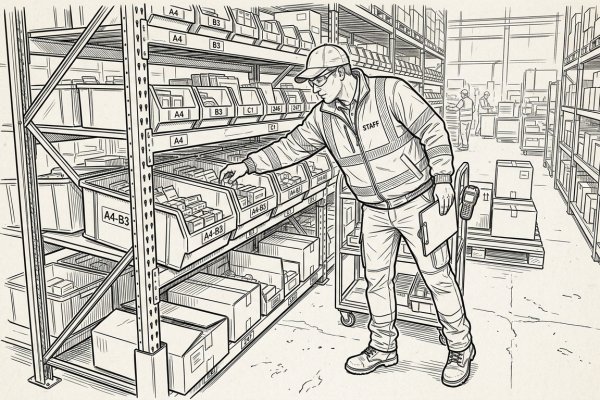
A single cosmetics brand might stock twenty shades of lipstick, each needing separate storage and accurate picking. Without proper stock traceability systems, errors multiply quickly.
FBA: A Popular Route for Small Cosmetics Brands
Many small cosmetics sellers start their journey on Amazon, and understandably so—it offers instant access to millions of shoppers. Fulfilled by Amazon (FBA) has become a go-to model for brands wanting to leverage Amazon's logistics network and Prime badge.
However, FBA isn't without its quirks. Amazon has strict requirements around packaging, labelling, and inventory management. Getting this wrong can lead to rejected shipments or costly storage fees. This is where working with a specialist in FBA packing and preparation makes a real difference, ensuring products arrive at Amazon's warehouses correctly labelled and compliant from day one.
FBA vs FBM: What's Right for Your Cosmetics Brand?
While FBA handles storage and shipping for you, some cosmetics brands prefer more control. Fulfilled by Merchant (FBM), sometimes paired with Seller Fulfilled Prime, allows brands to manage their own stock while still selling on Amazon. Outsourcing this to a specialist in FBM and SFP fulfilment gives you Amazon's reach without losing oversight of your inventory and packaging quality.
The Rise of D2C in the Cosmetics Industry
Direct-to-consumer, or D2C, has transformed how small cosmetics brands build relationships with their customers. Rather than relying solely on marketplaces or retailers, brands are selling directly through their own websites, often via Shopify or similar platforms.
D2C offers several advantages:
- Higher profit margins by cutting out middlemen
- Direct access to customer data and buying habits
- Greater control over branding and unboxing experience
- Flexibility to run promotions, bundles, and loyalty schemes
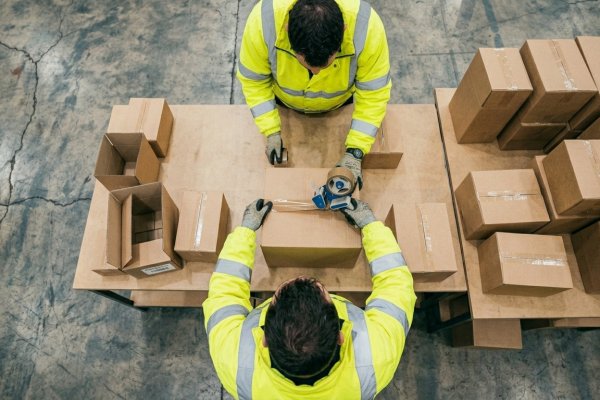
But D2C also means the brand is entirely responsible for fulfilment. Every order needs to be picked, packed, and shipped promptly, with branded packaging that reflects the quality of the product inside. This is where B2C and D2C fulfilment services become invaluable, handling the operational side so founders can focus on product development and marketing.
Custom Packaging and Promotional Sendouts
One of the joys of D2C is the ability to create memorable unboxing moments. Many small cosmetics brands include handwritten notes, samples, or branded tissue paper. Partnering with a fulfilment provider that offers custom sendout and promotional packing services ensures these personal touches are consistent across every order, no matter how many you're shipping.
Liverpool and Leeds: Hubs for Beauty Brand Growth
Cities like Liverpool and Leeds have become hotspots for independent cosmetics entrepreneurs. Both cities boast strong creative communities, growing e-commerce ecosystems, and access to major transport links that make distribution across the UK straightforward.
Liverpool's thriving independent retail scene has inspired many beauty brands to launch pop-up stalls before transitioning online, while Leeds has become known for its blend of traditional retail heritage and modern digital innovation. Brands founded in these cities often start small, selling at local markets, before realising they need scalable logistics solutions to meet growing demand nationwide.
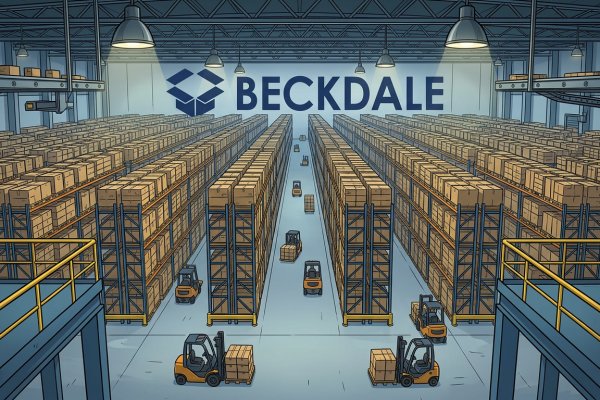
Regardless of where a brand is based—Liverpool, Leeds, Manchester, or further afield—the need for reliable, centrally located fulfilment remains the same. A UK warehouse with strong transport connections can serve the whole country efficiently, regardless of the brand's home city.
Why Outsourcing Fulfilment Makes Sense for Small Cosmetics Brands
As a small cosmetics business grows, the time spent packing orders is time taken away from product development, marketing, and customer engagement. Outsourcing to a dedicated UK 3PL allows founders to reclaim that time while benefiting from professional-grade logistics.
Benefits of Professional Fulfilment
- Scalability: Handle seasonal spikes, like Christmas or Black Friday, without hiring temporary staff
- Accuracy: Reduce picking errors through barcode scanning and inventory systems
- Speed: Same-day or next-day dispatch keeps customers happy
- Compliance: Proper handling of batch numbers and expiry dates
- Cost savings: Avoid the overheads of warehouse space, packing materials, and staff
Working with a specialist in beauty and skincare product storage and distribution means your stock is handled by people who understand the unique needs of cosmetics, from temperature considerations to careful handling of glass and delicate packaging.
Technology and Data Integration
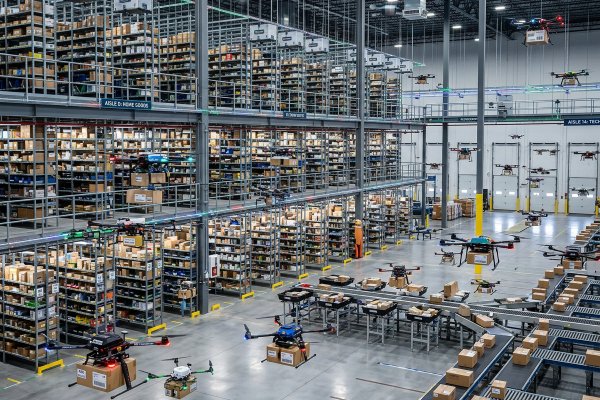
Modern fulfilment isn't just about shelves and boxes—it's increasingly driven by technology. Seamless data flow and API integrations connect your sales channels directly to your fulfilment partner, ensuring orders are processed automatically and stock levels update in real time across Amazon, Shopify, and your own website.
Beyond Amazon: Diversifying Sales Channels
While FBA and D2C are popular starting points, ambitious cosmetics brands often look to diversify further. Some explore B2B fulfilment to supply boutiques, salons, and spas with wholesale orders. Others aim for television shopping channels, which require specific packing standards covered by QVC and TV shopping channel packing services.
Each of these channels has different requirements for packaging, labelling, and delivery timeframes, making it even more important to have a fulfilment partner who can flex between different sales models without disrupting day-to-day operations.
Choosing the Right Fulfilment Partner
Not every fulfilment warehouse is equipped to handle the nuances of cosmetics. When evaluating potential partners, small cosmetics brands should consider:
- Experience specifically with beauty and skincare products
- Understanding of batch tracking and expiry date compliance
- Integration capabilities with Shopify, Amazon, and other platforms
- Flexible contract packing options for bundles and gift sets
- Transparent pricing with no hidden fees
A good starting point is reviewing a pricing examples page or using a pricing calculator to understand what fulfilment costs might look like for your specific order volumes and product types.
Contract Packing for Gift Sets and Bundles
Cosmetics brands often create seasonal gift sets or bundle promotions, which require assembly before shipping. Contract packing services handle this assembly work, ensuring bundles are put together consistently and efficiently, ready for dispatch.
Shipping and Courier Considerations
Getting cosmetics products from the warehouse to the customer's door requires reliable courier services. Whether it's Royal Mail for small parcels or DPD for next-day delivery, choosing the right courier mix affects both cost and customer satisfaction.
For larger shipments, such as wholesale orders heading to retailers in Liverpool or Leeds, pallet and lorry shipping services become more relevant, especially when fulfilling B2B contracts.
Final Thoughts: Building a Scalable Beauty Brand
Small cosmetics brands have an incredible opportunity in today's market. Consumers are hungry for independent, authentic beauty products, and platforms like Amazon and Shopify make it easier than ever to reach them. But growth without the right logistics infrastructure can quickly become overwhelming.
By understanding the strengths of FBA, embracing the opportunities of D2C, and partnering with an experienced UK 3PL fulfilment provider, small cosmetics brands—whether based in Liverpool, Leeds, or anywhere else in the UK—can scale confidently. The right support means less time worrying about boxes and labels, and more time creating the products your customers love. For brands ready to explore their options, resources like www.beckdaleshipping.co.uk offer insight into how professional fulfilment can support long-term growth.