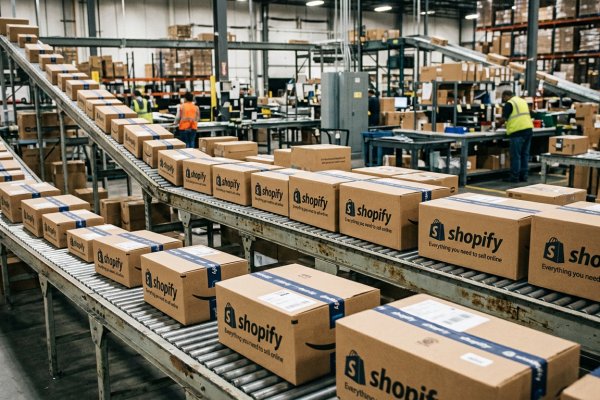
Subscription Box Fulfilment and Amazon Selling Strategies
The subscription box industry has experienced remarkable growth over the past decade, transforming how consumers discover and purchase products across countless categories. From beauty samples to gourmet foods, craft supplies to pet treats, subscription services offer convenience and curated experiences that traditional retail cannot match. However, behind every successful subscription business lies a complex fulfilment operation that must navigate inventory management, shipping logistics, and platform-specific requirements. Understanding how FBA, FBM, FIFO principles, and postage optimization work together is essential for subscription businesses seeking sustainable growth.
Understanding Subscription Business Models
Subscription businesses operate on recurring revenue models, where customers pay regular fees to receive products or services at predetermined intervals. This model creates unique fulfilment challenges that differ significantly from traditional e-commerce operations. Unlike one-off purchases, subscription fulfilment requires precision timing, consistent quality control, and the ability to scale operations rapidly as subscriber bases grow.
The complexity increases when subscription businesses sell through multiple channels, particularly when incorporating Amazon into their distribution strategy. Many successful subscription brands maintain their own direct-to-consumer websites whilst simultaneously leveraging Amazon's massive customer base. This multi-channel approach demands careful consideration of which fulfilment method best serves each sales channel.
FBA Versus FBM: Choosing Your Amazon Strategy
When selling subscription products on Amazon or through Amazon-adjacent channels, businesses must decide between Fulfilled By Amazon (FBA) and Amazon Fulfilled By Merchant (FBM). Each approach offers distinct advantages and challenges that impact subscription operations differently.
The FBA Advantage
Fulfilled By Amazon allows businesses to store inventory in Amazon's warehouse network, with Amazon handling picking, packing, and shipping to customers. For subscription businesses, FBA offers several compelling benefits:
- Access to Amazon Prime eligibility, significantly increasing product visibility and conversion rates
- Reduced operational overhead, as Amazon manages the physical fulfilment process
- Nationwide coverage with fast delivery times across the UK and beyond
- Customer service handled by Amazon's experienced teams
- Multi-channel fulfilment options for orders from other platforms
However, FBA presents specific challenges for subscription businesses. Storage fees can accumulate quickly, particularly for slower-moving inventory or seasonal products. The lack of direct control over packaging means brands cannot easily customize the unboxing experience—a critical element for many subscription services. Additionally, Amazon's inventory management systems may not align perfectly with subscription-specific requirements like coordinated shipment dates or customized product combinations.
The FBM Alternative
Choosing FBM means maintaining control over your inventory and fulfilment operations. For subscription businesses, this approach offers greater flexibility in packaging presentation, timing control, and brand experience. By working with a UK fulfilment partner, businesses can maintain the operational efficiency of outsourced logistics whilst retaining the customization capabilities essential for subscription services.
FBM advantages for subscription businesses include:
- Complete control over packaging and presentation
- Ability to include personalized notes, samples, or promotional materials
- Flexibility in shipment timing to coordinate with subscription cycles
- Better integration with direct-to-consumer fulfilment operations
- Potentially lower costs for high-volume, predictable shipments
The primary drawback is losing automatic Prime eligibility, though sellers can qualify for Seller Fulfilled Prime by meeting Amazon's stringent delivery and performance standards. Working with an experienced UK 3PL based in locations like Leicester can help businesses achieve these standards whilst maintaining operational control.
FIFO Inventory Management for Subscription Services
First In, First Out (FIFO) inventory management is particularly crucial for subscription businesses, especially those handling perishable goods, beauty products, or items with expiry dates. This system ensures that the oldest stock is always shipped first, minimizing waste and ensuring customers receive products with maximum shelf life remaining.
Why FIFO Matters
For subscription boxes containing food products, beauty items, or supplements, proper FIFO implementation is non-negotiable. Customers expect fresh products with reasonable usability windows. Failing to maintain FIFO practices can result in customer complaints, increased returns, and damage to brand reputation.
A robust stock traceability system enables businesses to track batch numbers and expiry dates, ensuring compliance with FIFO principles. Modern warehouse management systems can automate this process, directing warehouse staff to pick from designated locations based on receipt dates and expiry information.
Implementing FIFO in Multi-Channel Operations
When operating both FBA and FBM channels simultaneously, maintaining FIFO becomes more complex. Amazon's warehouses operate their own inventory systems, and sellers have limited control over which specific units are picked for individual orders. This makes it essential to regularly rotate stock, avoiding sending older inventory to FBA where it might sit longer than anticipated.
Many successful subscription businesses maintain their fastest-moving, freshest inventory in their own fulfilment warehouse or with a trusted 3PL partner, reserving FBA for products with longer shelf lives or slower turnover rates. This hybrid approach maximizes the benefits of both systems whilst maintaining quality control.
Optimizing Postage for Subscription Profitability
Postage costs represent one of the largest expenses for subscription businesses, often making the difference between profitability and failure. Strategic postage management requires balancing delivery speed, cost, and customer expectations across potentially hundreds or thousands of shipments each month.
Postage Strategy Considerations
Successful subscription businesses typically negotiate volume discounts with carriers, leveraging their predictable shipping patterns to secure favourable rates. Working with a courier services specialist or comprehensive UK 3PL fulfilment provider can unlock these savings without requiring individual businesses to reach massive shipping volumes independently.
Key postage optimization strategies include:
- Weight optimization: Carefully selecting packaging materials to minimize dimensional weight charges
- Shipping zone analysis: Understanding where subscribers are located to optimize warehouse positioning
- Carrier diversification: Using different carriers for different package types or destinations
- Batch shipping: Coordinating shipment dates to maximize carrier pickup efficiency
- Returns management: Implementing efficient processes to minimize return shipping costs
Geographic Considerations
For UK-based subscription businesses, warehouse location significantly impacts postage costs and delivery times. Centrally located facilities, such as those in Leicester, offer excellent access to major motorway networks and courier hubs, enabling cost-effective distribution throughout England, Scotland, Wales, and Northern Ireland. Businesses serving concentrated customer bases in specific regions like London, Manchester, or Birmingham might benefit from strategic warehouse positioning closer to these population centers.
Integrating Technology for Seamless Operations
Modern subscription fulfilment relies heavily on technological integration. Effective API data integrations connect subscription management platforms with warehouse management systems, e-commerce platforms, and shipping carriers, creating seamless information flow throughout the fulfilment process.
These integrations enable automatic order import, real-time inventory updates, tracking number distribution, and customer notifications. For businesses operating both subscription services and one-off sales through platforms like Amazon, robust data management prevents overselling, ensures accurate inventory allocation, and maintains synchronized stock levels across all channels.
Scaling Subscription Fulfilment Operations
As subscription businesses grow, fulfilment requirements become increasingly complex. What works for 100 monthly subscribers often fails at 1,000 or 10,000. Strategic planning for scale includes consideration of contract packing needs, seasonal volume fluctuations, and the potential benefits of B2B fulfilment capabilities for wholesale partnerships.
Many subscription businesses eventually transition from handling fulfilment in-house to partnering with specialized UK warehouse providers. This transition often occurs at inflection points where the cost of managing fulfilment internally—including labour, space, technology, and management attention—exceeds the cost of outsourcing to professionals.
Choosing the Right Fulfilment Partner
When selecting a fulfilment partner, subscription businesses should evaluate capabilities beyond basic pick-and-pack services. Look for providers offering:
- Experience with subscription-specific requirements and timing coordination
- Robust inventory management with FIFO capabilities and expiry date tracking
- Flexible custom sendout options for promotional campaigns
- Technology integration capabilities matching your subscription platform
- Transparent pricing structures that align with subscription economics
- Scalability to accommodate growth without service degradation
Building a Hybrid Fulfilment Strategy
The most successful subscription businesses often employ hybrid strategies, utilizing FBA for certain product lines or sales channels whilst maintaining FBM operations for their core subscription offerings. This approach maximizes reach and efficiency whilst preserving brand control where it matters most.
A typical hybrid model might include FBA for individual product sales on Amazon's marketplace, capturing impulse purchases and Prime customers, whilst using a dedicated B2C fulfilment operation for subscription boxes shipped from the company's primary warehouse partner. This arrangement provides the best of both worlds: Amazon's massive distribution network and Prime benefits alongside the customization and control essential for subscription experiences.
Conclusion
Successfully navigating subscription fulfilment requires strategic thinking about platform choices, inventory management, and shipping optimization. Understanding the tradeoffs between FBA and FBM, implementing rigorous FIFO practices, and optimizing postage costs creates the operational foundation for sustainable subscription growth. Whether operating from Leicester or serving customers throughout the UK and beyond, subscription businesses must balance efficiency with experience, leveraging technology and partnerships to scale effectively whilst maintaining the quality and consistency that keep subscribers engaged month after month.
By thoughtfully integrating these elements—choosing appropriate fulfilment methods, managing inventory intelligently, and optimizing shipping operations—subscription businesses can build the robust operational infrastructure necessary for long-term success in this competitive and dynamic market.