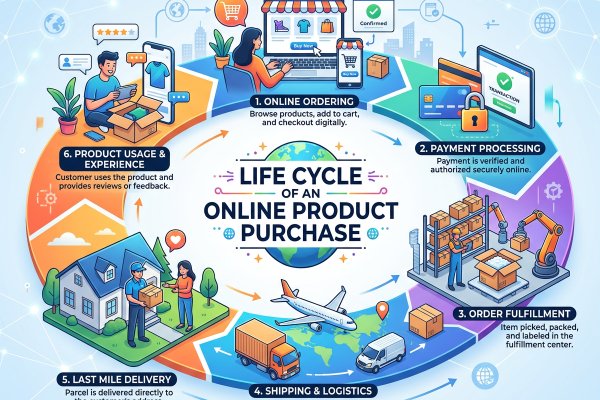
Across the UK, businesses are rethinking how they store, pack and ship their products. Nowhere is this more visible than in cities like Leeds, where e-commerce growth has pushed retailers to look beyond their own four walls for logistics solutions. Third-party logistics, or 3PL, has become the backbone of modern retail operations, and the combination of automation and technology is redefining what businesses can expect from their fulfilment partners.
In this article, we'll explore why 3PL matters for growing brands, how automation and technology are reshaping warehouse operations, and how tools like the Beckdale Price Calculator are helping businesses plan their logistics costs with confidence.
Why Leeds Businesses Are Turning to 3PL
Leeds has long been a commercial hub in the north of England, home to a thriving mix of retail, fashion, and food businesses. As online shopping continues to grow, many of these companies are finding that managing their own warehousing and shipping is no longer sustainable. Space constraints, rising staff costs, and the complexity of multi-channel selling have pushed many Leeds-based brands to seek external fulfilment partners.
This is where a dedicated UK Warehouse partner comes in. Rather than investing in their own facilities, businesses can outsource storage, picking, packing and shipping to a specialist provider. This allows Leeds companies to focus on product development and marketing, while the logistics side is handled by experts with the right systems in place.
The Growing Demand for Multi-Channel Fulfilment
It's rare these days for a brand to sell through just one channel. Many Leeds retailers operate across their own website, Amazon, and marketplaces like eBay or Not On The High Street simultaneously. A strong 3PL partner needs to support:
- Business to Consumer (B2C) website orders
- B2B fulfilment for wholesale and retail partners
- Fulfilled By Amazon (FBA) prep and shipping
- Amazon Fulfilled By Merchant (FBM) order processing
Handling this complexity manually is nearly impossible at scale, which is exactly why automation has become so central to modern 3PL operations.
The Role of Automation in Modern Fulfilment
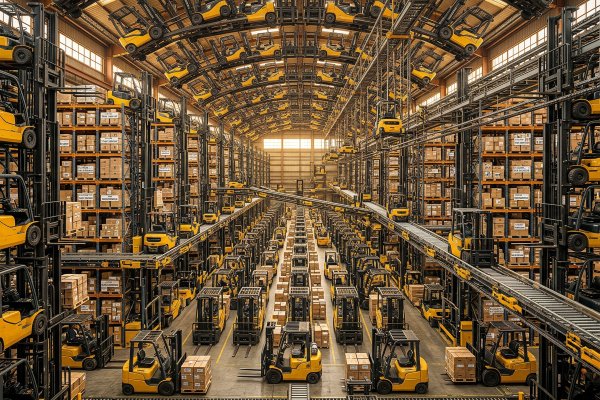
Automation isn't just about robotic arms and conveyor belts, although those do feature in some larger facilities. For most fulfilment warehouse operations, automation means smarter, faster, more accurate processes that reduce human error and speed up order turnaround.
What Does Warehouse Automation Actually Look Like?
In practice, automation within a 3PL setting can include:
- Automated stock level updates the moment an order is placed
- Barcode scanning systems that verify picked items before packing
- Automated courier label generation based on order weight and destination
- System-triggered reorder alerts when stock runs low
- Integration between a client's online store and the warehouse management system
These processes dramatically reduce the chance of mis-picks and shipping errors, which in turn improves customer satisfaction and reduces costly returns. For brands selling beauty products, for example, where accurate batch tracking is essential, automation isn't a luxury, it's a necessity.
Automation and Expiry Date Management
Nowhere is automation more valuable than in sectors where product dates matter. Food and cosmetic brands must track expiry and batch numbers meticulously, ensuring that older stock is picked first and nothing out-of-date reaches a customer. Manual tracking of this is slow and prone to mistakes. Automated systems flag batch information automatically during picking, protecting both the brand's reputation and its customers' safety.
Technology: The Backbone of Modern 3PL
Automation relies on good technology, and this is where many 3PL providers differentiate themselves. A modern UK 3PL Fulfilment partner should offer more than just shelving and staff; they should provide a genuine technology layer that connects every part of the supply chain.
Data Integration and API Connectivity
One of the most important technological developments in fulfilment has been the rise of data flow and API integrations. These connections allow a brand's online store, whether built on Shopify, WooCommerce, or a custom platform, to talk directly to the warehouse management system. The result is real-time order syncing, meaning there's no delay between a customer placing an order and the warehouse receiving it for processing.
This kind of integration also supports stock traceability, giving brands full visibility of where their products are at every stage, from goods-in to final dispatch. For companies operating across multiple regions, including those based in Leeds, Manchester, Sheffield or further afield, this visibility is critical for maintaining customer trust.
Technology Supporting Specialist Sectors
Different product categories have unique technological needs. For example:
- QVC and TV shopping channel fulfilment requires rapid turnaround systems to handle sudden spikes in demand
- Clothing brands often need size and variant tracking technology
- Food businesses require temperature-aware storage logging alongside batch tracking
Technology isn't one-size-fits-all, and the best 3PL partners tailor their systems to match the specific demands of each sector they serve.
Understanding Costs: Why Pricing Transparency Matters
One of the biggest frustrations businesses face when researching 3PL providers is a lack of clear pricing. Many fulfilment companies require lengthy sales calls just to get a rough estimate, which can be frustrating for busy founders trying to plan their budgets.
Introducing the Beckdale Price Calculator
This is where the Beckdale Price Calculator stands out. Rather than waiting days for a quote, businesses can use the Pricing Calculator to get an instant, transparent estimate of fulfilment costs based on their specific order volumes, product types, and shipping requirements.
This tool reflects a broader shift in the industry towards openness and self-service. Instead of treating pricing as a closely guarded secret, forward-thinking 3PL providers are using technology to put that information directly into the hands of potential clients. For businesses in Leeds comparing multiple fulfilment options, having access to a working pricing examples page alongside a calculator tool makes the decision-making process far more straightforward.
Why Transparent Pricing Builds Trust
When a business can see roughly what their costs will look like before even speaking to a sales representative, it removes a lot of the guesswork and anxiety from switching fulfilment providers. This transparency also tends to reflect a company's overall approach to technology and automation; if they've invested in building a pricing calculator, chances are they've also invested in the systems that run their warehouse day to day.
Choosing the Right 3PL Partner
With so many fulfilment providers now active across the UK, from Leeds to Leicester, Birmingham to Bristol, choosing the right partner can feel overwhelming. Here are some practical considerations businesses should keep in mind.
Key Questions to Ask a Potential 3PL Provider
- What level of automation is used in picking and packing?
- How does their technology integrate with your existing sales channels?
- Can they provide batch and expiry tracking if relevant to your products?
- Do they offer contract packing services for promotional or seasonal campaigns?
- What courier options are available, and how are rates calculated?
On that last point, it's worth understanding the full range of shipping and delivery services a provider offers, as well as their specific courier service options, since this directly affects both cost and delivery speed for your customers.
Custom Projects and Promotional Packing
Beyond standard order fulfilment, many brands occasionally need support with one-off projects, such as promotional giveaways, subscription box assembly, or seasonal gift sets. A capable 3PL partner should be able to support these through dedicated custom sendout services, applying the same automation and technology principles to ensure accuracy even on non-standard projects.
The Bigger Picture: Why This Matters Beyond Leeds
While Leeds businesses are increasingly seeking out smarter fulfilment partners, this trend is playing out across the entire UK. Companies in Manchester, Sheffield, Nottingham and London are all facing the same pressures: rising costs, growing customer expectations, and the need to compete with fast-shipping giants like Amazon. A well-automated, technology-driven Website Fulfilment partner allows smaller and mid-sized brands to compete on service levels without needing Amazon-sized budgets.
This is particularly true for brands relying on their own e-commerce platforms rather than marketplaces. A strong UK Fulfilment partner, such as the team behind www.beckdaleshipping.co.uk, can help level the playing field by providing the same speed and accuracy that customers have come to expect from larger retailers.
Looking Ahead
As automation technology continues to develop, we can expect even greater integration between sales platforms and warehouse systems, faster pricing transparency tools similar to the Beckdale Price Calculator, and more sector-specific solutions for industries like beauty, food, and fashion. Businesses that partner with a 3PL provider embracing these changes will be far better positioned to scale efficiently, regardless of whether they're based in Leeds or elsewhere in the UK.
Final Thoughts
The fulfilment industry has moved a long way from simple shelving and manual order picking. Today's successful 3PL operations combine automation, robust technology, and transparent pricing tools to give businesses the confidence to grow. For companies in Leeds and across the UK, understanding these developments, and choosing a partner who genuinely invests in them, can make all the difference between a fulfilment headache and a smooth, scalable operation.