The beauty industry has witnessed an extraordinary boom in recent years, with small cosmetics brands popping up across the UK and beyond, each hoping to carve out their own niche in a crowded marketplace. From handmade lip balms to artisan skincare serums, these small-batch producers often start life in a spare room or small studio before scaling into something much bigger. But as demand grows, so too does the complexity of getting those products into customers' hands. This is where understanding B2C fulfilment, efficient picking bin systems, and a well-oiled supply chain becomes absolutely essential.
Whether you're a cosmetics entrepreneur based in Manchester, London, or anywhere else in the country, the fundamentals of getting your product from warehouse to doorstep remain the same. This article explores how small cosmetics businesses can navigate the challenges of direct-to-consumer selling while building a resilient and scalable operation.
The Rise of B2C in the Cosmetics Industry
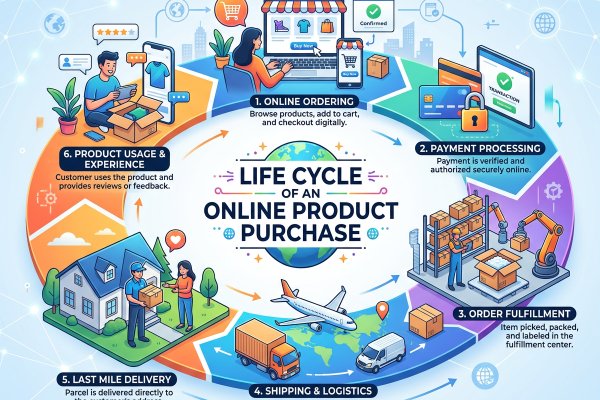
Traditionally, cosmetics brands relied heavily on wholesale and retail partnerships to reach customers. Today, the landscape has shifted dramatically. Consumers want to buy directly from the brands they love, cutting out the middleman and often enjoying better prices, exclusive products, and a more personal shopping experience. This shift towards B2C (business-to-consumer) selling has opened up huge opportunities for small cosmetics companies, but it also introduces a fresh set of logistical challenges.
Unlike B2B transactions, where you might be shipping large pallets to a handful of retail partners, B2C orders are typically small, frequent, and highly personalised. A single order might contain just one lipstick or a curated set of skincare products, and customers expect that order to arrive quickly, accurately, and in perfect condition. Scaling this kind of operation requires careful planning and, often, the support of a specialist Business to Consumer fulfilment partner.
Why Small Cosmetics Brands Struggle with B2C Logistics
Many small cosmetics founders are brilliant at product development and marketing but find themselves overwhelmed by the operational side of running an ecommerce business. Common pain points include:
- Managing high order volumes during peak periods like Christmas or Black Friday
- Keeping track of stock levels across multiple SKUs with varying shelf lives
- Ensuring packaging reflects the brand's premium image
- Coordinating shipping across different couriers and regions, including cities like Manchester, Bristol, and Glasgow
- Handling returns and quality control efficiently
Without the right systems in place, these challenges can quickly become overwhelming, leading to late deliveries, stock discrepancies, and ultimately unhappy customers.
Understanding the Picking Bin System
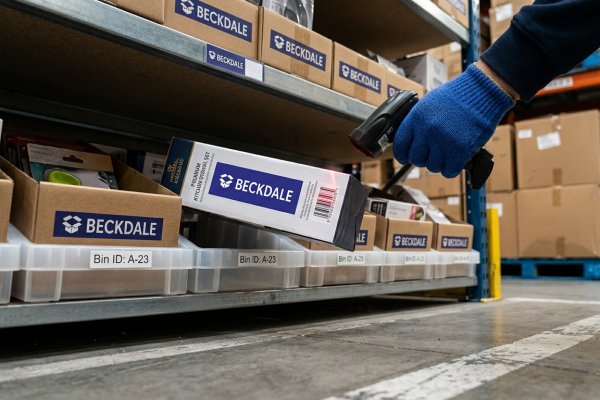
One of the unsung heroes of efficient fulfilment is the humble picking bin. For those unfamiliar with warehouse operations, a picking bin is essentially a storage container used to hold specific products within a warehouse, organised in a way that makes it quick and easy for staff to retrieve items when fulfilling orders.
For small cosmetics businesses with dozens or even hundreds of SKUs, a well-organised picking bin system can make the difference between a smooth, efficient operation and total chaos. Imagine trying to locate a single shade of eyeshadow among hundreds of similar-looking boxes without any system in place—it's a recipe for errors, delays, and wasted labour.
Benefits of an Effective Picking Bin System
- Speed: Staff can locate and retrieve products in seconds rather than minutes
- Accuracy: Reduces the risk of picking the wrong product or shade
- Scalability: Easily add new bins as product ranges expand
- Stock Visibility: Makes it easier to spot when items are running low
- Batch Control: Particularly important for cosmetics, where tracking expiry and batch numbers is crucial for compliance and safety
Many experienced fulfilment centres use a combination of bin locations, barcode scanning, and warehouse management software to keep everything running smoothly. This level of organisation is particularly important for cosmetics brands, where products often have specific storage requirements, limited shelf lives, and regulatory considerations around ingredients and labelling.
Building a Resilient Supply Chain
Behind every successful cosmetics brand lies a robust supply chain. This encompasses everything from sourcing raw ingredients and packaging materials, through manufacturing, to warehousing and final delivery to the customer. For small cosmetics businesses, supply chain resilience can be the difference between weathering a crisis and grinding to a halt.
The pandemic and subsequent global shipping disruptions taught many brands a harsh lesson: relying on a single supplier or a fragile logistics network is a risky strategy. Smart cosmetics businesses are now diversifying their supply chains, building in redundancy, and working with fulfilment partners who can flex with demand.
Key Elements of a Strong Cosmetics Supply Chain
- Reliable Sourcing: Working with trusted suppliers for ingredients, bottles, jars, and packaging materials
- Quality Manufacturing: Partnering with manufacturers who understand cosmetic regulations and safety standards
- Efficient Warehousing: Utilising a dedicated UK warehouse fulfilment solution that understands the nuances of beauty products
- Smart Distribution: Choosing the right shipping services to balance cost and speed
- Data Integration: Using data flow systems to connect your online store directly with your fulfilment operation
For many small cosmetics brands, outsourcing to a specialist fulfilment provider is the smartest way to build this kind of resilience without the enormous overhead of managing it all in-house. A good UK 3PL partner brings not just warehouse space, but also expertise, technology, and established courier relationships that would take years to build independently.
Why Location Matters: The Manchester Factor
Geography plays a surprisingly important role in cosmetics logistics. Manchester, as one of the UK's largest cities and a major transport hub, is often cited by ecommerce businesses as an ideal location for distribution due to its excellent connectivity to motorways, rail networks, and airports. Brands based in or shipping to the North West frequently reference Manchester's logistics infrastructure when planning their distribution strategy.
That said, location isn't everything. What matters more is partnering with a fulfilment provider who has robust national delivery networks, regardless of where their physical warehouse sits. A well-run fulfilment warehouse can serve customers in Manchester, Birmingham, Edinburgh, or Cardiff just as efficiently as those on its own doorstep, provided the right courier partnerships and courier services are in place.
National Reach from a Single Base
Modern logistics networks mean that a centrally located warehouse can service the entire UK within one to two days, making the exact city of operation less critical than the quality of the fulfilment partnership itself. This is good news for small cosmetics brands who might assume they need multiple warehouse locations to serve customers nationwide—often, one well-run facility is more than sufficient.
Packaging: The Final Touchpoint
For cosmetics brands, packaging isn't just about protection during transit—it's a crucial part of the brand experience. Unboxing a beautifully packaged skincare set can turn a simple purchase into a memorable moment, encouraging repeat purchases and social media shares.
This is why many small cosmetics businesses turn to specialist contract packing services, which can handle everything from custom gift sets to seasonal promotional bundles. These services allow brands to offer premium presentation without having to manage complex packing operations themselves.
Custom Sendouts and Promotional Packing
Beyond standard orders, many cosmetics brands run influencer campaigns, PR mailings, or limited-edition bundles that require bespoke packing solutions. Custom sendout services can help brands manage these one-off or irregular packing jobs without disrupting their core fulfilment operations.
Expanding Beyond Your Own Website
While many small cosmetics brands start by selling exclusively through their own ecommerce store, growth often means expanding into other sales channels. This might include:
- Selling via Amazon, using either Fulfilled by Amazon (FBA) or Fulfilled by Merchant (FBM)
- Appearing on TV shopping channels, which requires specialist QVC TV shopping packing capabilities
- Expanding into wholesale or B2B fulfilment partnerships with boutiques and retailers
Each of these channels comes with its own set of requirements, from Amazon's strict labelling rules to the high-volume, time-sensitive nature of TV shopping orders. A flexible fulfilment partner can help small cosmetics brands navigate these different channels without needing to build separate systems for each one.
Stock Traceability and Compliance
Cosmetics are a regulated product category, meaning brands must keep careful records of ingredients, batch numbers, and expiry dates. This is especially important for skincare and beauty products, which often have active ingredients with limited shelf lives.
Implementing proper stock traceability systems allows brands to quickly identify and recall specific batches if any quality issues arise, protecting both customers and brand reputation. This level of oversight is difficult to achieve without proper warehouse management systems in place, further underlining the value of working with an experienced fulfilment partner who understands the specific needs outlined on their beauty products storage and distribution page.
Understanding the True Cost of Fulfilment
For small cosmetics brands operating on tight margins, understanding fulfilment costs is essential. Many providers offer online tools, such as a pricing calculator, to help brands estimate costs based on order volume, product size, and shipping destination. Reviewing pricing examples from real businesses can also provide valuable benchmarks when budgeting for growth.
Common Cost Factors in Cosmetics Fulfilment
- Storage fees based on bin or shelf space required
- Pick and pack fees per order
- Courier charges, which vary based on weight, size, and destination
- Packaging materials, especially for premium or branded packaging
- Returns processing and restocking
Working with a transparent UK 3PL fulfilment partner, such as the team found at www.beckdaleshipping.co.uk, can help small cosmetics brands plan their budgets accurately and avoid unexpected costs as they scale.
Final Thoughts: Scaling Smart in the Cosmetics Industry
Small cosmetics brands face a unique set of challenges as they grow, from managing intricate product ranges to meeting the high expectations of modern B2C customers. Success lies not just in creating brilliant products, but in building the operational backbone to support sustainable growth—whether that's through smarter picking bin systems, a more resilient supply chain, or partnering with an experienced website fulfilment provider.
By investing in the right systems and partnerships early on, small cosmetics businesses based anywhere from Manchester to Leicester can confidently scale their operations, delight their customers, and build a brand that lasts.