When it comes to running an efficient warehouse, few concepts are as fundamental as FIFO — First In, First Out. Whether you're a small e-commerce brand or a large-scale retailer shipping across England, understanding how stock rotation works can make the difference between happy customers and a warehouse full of expired or outdated goods. In this article, we break down the top 10 FIFO practices that leading UK warehouses rely on, with examples drawn from operations in cities like Southampton and Cardiff, as well as insights from established fulfilment hubs.
FIFO isn't just a buzzword for logistics managers — it's a core principle that protects product quality, reduces waste, and keeps inventory flowing smoothly. Let's explore the practices that make this possible.
1. Clear Zoning and Labelling
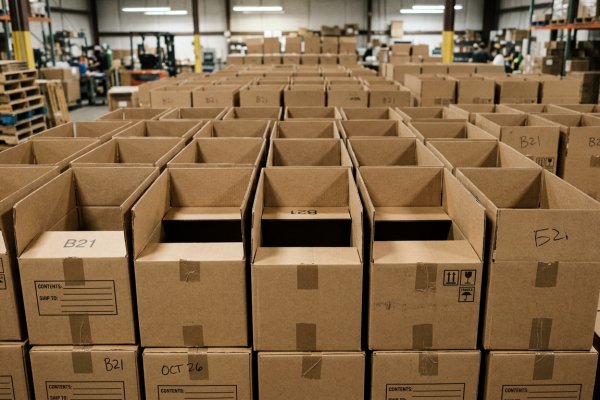
One of the simplest yet most effective FIFO strategies is proper zoning. Warehouses that separate incoming stock from older inventory using clearly labelled zones reduce the risk of human error. Staff can quickly identify which pallets or boxes need to be picked first, minimising the chance of older stock being overlooked.
Why Labelling Matters
Without consistent labelling, even the most well-intentioned warehouse teams can mix up stock dates. This is especially critical for businesses dealing with Expiry and Batch numbers, where getting it wrong can mean costly write-offs or compliance issues.
2. Batch and Expiry Tracking Systems
Modern UK Fulfilment operations increasingly rely on digital systems to track batch numbers and expiry dates automatically. This reduces manual checking and ensures that when an order is picked, the system directs staff to the oldest available stock first.
- Automated alerts for approaching expiry dates
- Batch-level traceability for recalls or quality checks
- Integration with Stock Traceability software for full visibility
3. Shelf Life Prioritisation for Perishables
For businesses in the Food sector, FIFO isn't optional — it's essential. Warehouses handling perishable goods must prioritise shelf life above almost everything else, ensuring that products with shorter remaining shelf life are dispatched before those with longer windows.
4. Pallet Rotation Discipline
In larger facilities, particularly those serving regions from England down to the south coast near Southampton, pallet rotation discipline is key. New deliveries should always be placed behind or beneath existing stock, never in front of it, to avoid the temptation of picking the easiest-to-reach item rather than the oldest.
Training Staff Properly
No system works without trained staff. Regular training sessions reinforce why FIFO matters and how small shortcuts can lead to significant stock losses down the line.
5. Barcode and Scanning Technology
Technology has transformed how FIFO is implemented. Barcode scanning at every stage — goods-in, storage, and dispatch — ensures that the system knows exactly which batch is being moved. This is particularly useful for businesses using Fulfilled By Amazon (FBA) or Amazon Fulfilled By Merchant (FBM) processes, where accuracy is non-negotiable.
6. Real-Time Data Integration
Connecting warehouse management systems with sales platforms through Data Flow integrations allows for real-time visibility of stock levels and ages. This is especially valuable for Shopify sellers and other e-commerce businesses that need instant updates on what's available and what's approaching its sell-by date.
7. Dedicated FIFO Lanes in Picking Areas
Some advanced warehouses design their picking areas with dedicated FIFO lanes — essentially gravity-fed shelving where new stock is loaded from the back and automatically pushes older stock to the front for picking. This physical system removes the guesswork entirely.
8. Regular Stock Audits
Even the best systems need checking. Routine audits, whether weekly or monthly, help catch any discrepancies before they become larger problems. Facilities operating near Cardiff and other major UK logistics hubs often schedule these audits around quieter shipping periods to minimise disruption.
What a Good Audit Includes
- Physical stock counts compared against system records
- Spot checks on expiry dates and batch numbers
- Review of any stock discrepancies or write-offs
9. Supplier Collaboration
FIFO doesn't start at the warehouse door — it starts with suppliers. Working closely with suppliers to ensure consistent delivery schedules and accurate date labelling helps warehouses maintain smooth FIFO flow from the moment goods arrive.
10. Tailored Approaches for Different Product Types
Not every product category needs the same FIFO rigour. Beauty products, for example, often have longer shelf lives than Food items, while Clothing stock rarely needs FIFO at all beyond seasonal considerations. Understanding these nuances allows warehouses to apply FIFO sensibly rather than rigidly.
Why FIFO Matters for Your Business
Whether you're running a contract-packing operation or managing a growing online store, getting FIFO right protects your bottom line. Poor stock rotation leads to waste, customer complaints, and in regulated sectors, potential compliance breaches. A well-run UK Warehouse should have FIFO baked into every process, from goods-in to final dispatch.
For businesses exploring their options, visiting
← Back to 3PL Fulfilment Information
Related Articles
Older Articles
Contract Packaging: Location Matters
Co-packing Solutions for E-commerce Growth in the UK
Efficient Picking Cuts Warehouse Costs by 40%!
Best Shopify Fulfilment Solutions
UK Fulfilment Centre Solutions for Modern Businesses
Top 10 Cost Reduction Strategies for FBA
UK Fulfilment Meets Enterprise Innovation
Fulfilment Warehouse Small Product Solutions
Top 5 WooCommerce Import Solutions
Top 10 Essential Tools for Modern Fulfilment Success
Shopify API Warehouse Integration Guide
Beckdale Revolutionises UK Fulfilment Forever
Pick and Pack Service Excellence
What Does StockPortal Actually Do?
UK Fulfilment Centre Solutions
Low Cost Fulfilment Solutions for Growing Businesses
Top 5 Beauty E-commerce Success Factors
Website Fulfilment Excellence Across the UK Market
Small Cosmetics Fulfilment Guide
QVC Dropship: Sustainable TV Shopping
How Does Shopify Order Fulfilment Work?
Top 10 Small Product Management Tips
UK Fulfilment: What Should You Know?
Low Cost Fulfilment: Is It Right for You?
UK Fulfilment Centres Cut Costs?
Website Fulfilment: Key to Success?
Shopify Order Fulfilment for Enterprise
Low Cost Fulfilment: Worth It?
Small Cosmetics Fulfilment Guide
Low Cost Fulfilment: What Are Your Options?
Website Fulfilment: The Complete Guide
Top 5 Fulfilment Considerations
Website Fulfilment in the Digital Age
Low Cost Fulfilment: Quality at Scale?
Shopify Order Fulfilment Essentials
TV Shopping & Dropship Pallets
Top 5 E-commerce Logistics Solutions
UK Fulfilment: The Future of Logistics?
UK Fulfilment: The Modern Supply Chain
Efficient Picking in Modern Warehouses
Pick and Pack Service Revolution
Picking Errors Are Killing Your Business!
UK Fulfilment Best Practices Guide
Top 10 E-commerce Trends Reshaping UK Fulfilment
Order Picking in the UK: A Complete Guide
Affordable UK 3PL Solutions Explained
Top 10 Warehouse Storage Essentials
Why Choose 3PL Services in the UK?
3PL Logistics Solutions for Modern Ecommerce Success
How Can 3PL Transform Your Business?
The Evolution of 3PL in the UK
TikTok Revolutionizes UK 3PL: Automation Shock
UK Fulfilment for Magento Growth
Beckdale Fulfilment — Cheap UK 3PL | 45p Base Pick, Poly Mail Bag & Shopify/Woo/Magento Integration
Low Cost Fulfilment: The Hidden Truth Exposed!
UK 3PL
UK 3PL Costs Slashed: The D2C Revolution Exposed
UK’s Cheapest 3PL Fulfilment | Fast, Low-Cost eCommerce Fulfilment by Beckdale Shipping
Top 10 3PL Considerations for E-Commerce
The Shocking Truth About 3PL UK Operations Revealed!
Cost-Effective UK E-commerce Fulfilment | Transparent 3PL Pricing Leicester | Beckdale Shipping
Beckdale 3PL Fulfilment: Cost Analysis for 200g Large Letters — Low Cost, Transparent Fulfilment