In today's fast-paced e-commerce landscape, businesses face mounting pressure to deliver orders quickly, accurately, and cost-effectively. The pick and pack service has emerged as a cornerstone of modern logistics, transforming how companies manage their order fulfilment operations. From small startups in Manchester to established retailers in Birmingham, organisations across the nation are discovering the competitive advantages that professional pick and pack services provide.
At its core, pick and pack involves retrieving products from warehouse storage locations (picking) and preparing them for shipment (packing). However, modern UK Fulfilment operations have evolved far beyond these basic functions, incorporating sophisticated technology, streamlined processes, and strategic capabilities that drive business growth.
Understanding Modern Pick and Pack Services
Professional pick and pack services represent a comprehensive solution for businesses seeking to outsource their order fulfilment operations. Rather than maintaining their own warehouse space, staff, and infrastructure, companies partner with specialist providers who handle the entire fulfilment process from inventory receipt to final dispatch.
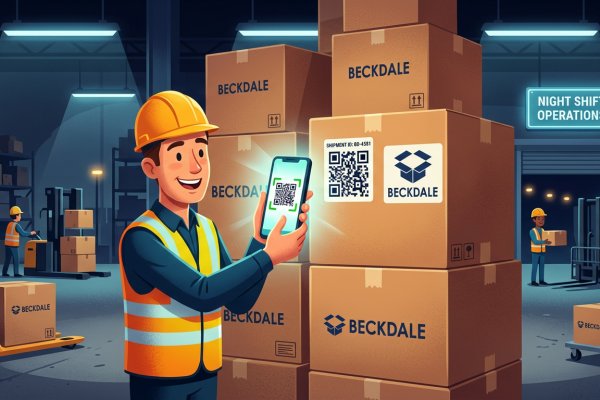
The process typically follows a systematic workflow that ensures accuracy and efficiency at every stage:
- Receiving and storage: Inventory arrives at the fulfilment warehouse and is logged, inspected, and stored strategically
- Order processing: Customer orders are transmitted to the warehouse management system
- Picking: Warehouse staff retrieve the correct items from designated locations
- Quality checking: Orders are verified for accuracy before packing
- Packing: Products are securely packaged with appropriate materials and documentation
- Shipping: Completed orders are dispatched via the most suitable carrier
This structured approach ensures consistency whilst accommodating the unique requirements of different products and industries, from beauty products requiring careful handling to clothing items needing specific folding and presentation.
The Role of Warehouse Management Systems
The backbone of any effective pick and pack operation is a robust Warehouse Management System (WMS). This sophisticated software orchestrates every aspect of warehouse operations, transforming what could be chaotic into a streamlined, efficient process.
Core WMS Functionality
A modern WMS provides comprehensive visibility and control across the entire fulfilment operation. Real-time inventory tracking ensures businesses always know precisely what stock they have available, where it's located, and when replenishment is needed. This level of transparency proves invaluable for businesses operating across multiple locations, from London to Leeds, enabling centralised oversight of distributed inventory.
The system generates optimised picking routes that minimise the distance warehouse staff must travel, dramatically improving productivity. Rather than crisscrossing the warehouse randomly, pickers follow efficient pathways that reduce time and labour costs. For high-volume operations in cities like Bristol or Nottingham, these efficiency gains translate directly to competitive advantage.
Advanced WMS Capabilities
Beyond basic functionality, sophisticated WMS platforms offer capabilities that address complex fulfilment challenges. Stock traceability features maintain detailed records of product movement, essential for sectors like food and pharmaceuticals where regulatory compliance is paramount. The system tracks every transaction, creating an auditable history that satisfies regulatory requirements whilst enabling rapid investigation of any discrepancies.
For businesses handling products with limited shelf life, WMS platforms incorporate batch and expiry date management. The system automatically implements FIFO (First In, First Out) or FEFO (First Expired, First Out) protocols, ensuring older stock ships before newer inventory. This functionality proves crucial for food products and supplements, protecting brand reputation whilst minimising waste.
Seamless Integration with Business Systems
The true power of modern pick and pack services emerges through seamless integration with existing business systems. In an interconnected digital ecosystem, isolated systems create bottlenecks, errors, and inefficiencies. Professional UK 3PL providers invest heavily in integration capabilities that connect their WMS with client platforms.
E-commerce Platform Integration
For online retailers, integration between e-commerce platforms and fulfilment systems eliminates manual data entry and the errors it introduces. When a customer places an order on a website, that information flows automatically to the warehouse management system, triggering the pick and pack process without human intervention. This automation proves particularly valuable during peak trading periods when order volumes surge.
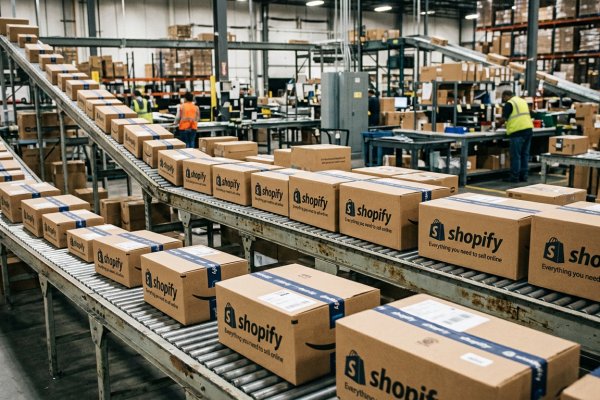
Popular platforms like Shopify, WooCommerce, Magento, and BigCommerce all offer integration possibilities, whether through native connections, APIs, or middleware solutions. The data flow works bidirectionally, with inventory levels updating in real-time across all sales channels, preventing overselling and customer disappointment.
Multi-Channel Fulfilment Integration
Today's retailers rarely sell through a single channel. They list products on their own websites, Amazon, eBay, and various marketplaces simultaneously. Professional fulfilment services accommodate this complexity through comprehensive integration strategies that consolidate orders from multiple sources into a unified fulfilment workflow.
Whether processing FBA orders requiring specific Amazon labelling or managing FBM fulfilment with different requirements, integrated systems handle the nuances of each channel whilst maintaining operational efficiency. This capability enables businesses to expand their market reach without proportionally increasing operational complexity.
Palletisation and Bulk Fulfilment
Whilst much discussion of pick and pack focuses on individual consumer orders, professional fulfilment operations also handle B2B fulfilment requiring palletisation expertise. This involves consolidating multiple items or cases onto pallets for efficient transportation to retailers, distributors, or other business customers.
Strategic Palletisation Benefits
Proper palletisation transforms loose products into stable, transportable units that maximise shipping efficiency. By standardising loads to fit carrier specifications and vehicle dimensions, businesses reduce transportation costs whilst ensuring products arrive intact. Facilities serving regions from Scotland to the Southwest develop expertise in optimising pallet configurations for different carrier networks.
The process requires more than simply stacking boxes on a pallet. Professional operations consider weight distribution, product fragility, pallet stability, and transportation method. Heavy items form the base layer, with progressively lighter products stacked above. Shrink wrapping and strapping secure the load, preventing shifting during transit.
Palletisation in Multi-Channel Operations
Modern fulfilment operations seamlessly transition between individual order picking for B2C fulfilment and bulk palletisation for wholesale customers. The WMS directs staff to appropriate processes based on order characteristics, ensuring efficient handling regardless of order size or destination. This flexibility proves particularly valuable for businesses with diverse customer bases spanning both retail and wholesale channels.
Understanding Costs Through Price Calculators
One of the most significant concerns businesses face when considering outsourced fulfilment centres on cost transparency. Traditional fulfilment pricing often seems opaque, with numerous variables creating confusion. Progressive fulfilment providers address this challenge through comprehensive pricing calculators that demystify costs.
Components of Fulfilment Pricing
Pick and pack pricing typically comprises several distinct elements, each reflecting specific services provided:
- Storage costs: Charges for warehouse space, usually calculated per pallet or cubic metre per week
- Receiving fees: Costs associated with booking in new inventory, inspection, and system updates
- Pick fees: Per-item charges for retrieving products from storage locations
- Pack fees: Costs covering packing materials, labour, and quality checking
- Shipping costs: Actual carrier charges plus any handling fees
- Specialised services: Additional charges for contract packing, gift wrapping, or custom requirements
By breaking costs into transparent components, businesses can understand precisely what they're paying for and identify opportunities for optimisation. The www.beckdaleshipping.co.uk platform offers tools that help businesses model different scenarios and understand cost implications before committing.
Using Price Calculators Effectively
Sophisticated pricing calculators allow businesses to input their specific parameters—average order size, monthly volume, storage requirements, and special handling needs—to generate accurate cost projections. This transparency enables meaningful comparisons between in-house fulfilment and outsourced solutions, factoring in all relevant costs including hidden expenses like premises, utilities, staff, and equipment that in-house operations incur.
For businesses reviewing pricing examples, the calculator demonstrates how economies of scale work in fulfilment. As order volumes increase, per-unit costs typically decrease, making outsourced fulfilment increasingly attractive as businesses grow.
Selecting the Right Pick and Pack Partner
Choosing a fulfilment partner represents a strategic decision with lasting implications for customer satisfaction and business growth. Businesses from Cardiff to Newcastle should evaluate potential partners across multiple dimensions beyond simple cost considerations.
Technology and Integration Capabilities
The sophistication of a provider's WMS and integration capabilities should rank as primary selection criteria. Partners with robust systems and proven integration experience minimise implementation time and ongoing operational friction. Request demonstrations of their platforms and discuss specific integration requirements for your business systems.
Specialised Industry Experience
Different products require different handling expertise. Providers with experience in your specific sector bring valuable knowledge about compliance requirements, seasonal patterns, and customer expectations. Whether you're handling TV shopping channel fulfilment or promotional sendouts, relevant experience translates to smoother operations.
Scalability and Flexibility
Your fulfilment needs will evolve as your business grows. Select partners capable of scaling operations to accommodate growth, seasonal peaks, and changing product ranges. The ability to flex capacity up or down without long-term commitments provides valuable agility in dynamic markets.
The Future of Pick and Pack Services
The fulfilment sector continues evolving, driven by technological advancement and changing consumer expectations. Automation increasingly supplements human labour, with robotic systems handling repetitive tasks whilst staff focus on complex, value-added activities. However, even highly automated facilities require human judgment for exception handling and quality assurance.
Sustainability concerns are reshaping fulfilment practices, with providers investing in eco-friendly packaging materials, optimising transportation to reduce carbon emissions, and implementing energy-efficient warehouse systems. Businesses increasingly select fulfilment partners based partly on environmental credentials, recognising that consumers value sustainability.
For businesses based in Leicester and serving customers nationwide, partnering with a professional pick and pack service provider offers a pathway to operational excellence. Through advanced WMS technology, seamless system integration, expert palletisation, and transparent pricing, these services transform fulfilment from a logistical challenge into a competitive advantage that drives customer satisfaction and business growth.
The combination of sophisticated technology, strategic expertise, and operational efficiency enables businesses to focus on their core competencies—product development, marketing, and customer relationships—whilst trusting fulfilment specialists to deliver exceptional order processing. As e-commerce continues its relentless growth, professional pick and pack services will remain central to retail success across all sectors and channels.