The world of logistics has quietly undergone a revolution, and most businesses have no idea it's happening right under their noses. While brands obsess over marketing campaigns and product launches, the real battle for customer loyalty is being fought in warehouses from Manchester to Bristol - and the stakes have never been higher. If your UK Fulfilment strategy isn't built on modern efficiency principles, you could be bleeding money and customers without even realising it.
The Changing Face of UK Logistics
For decades, fulfilment was treated as an afterthought - a necessary cost rather than a strategic advantage. That mindset is rapidly becoming obsolete. Today's consumers expect next-day delivery, accurate tracking, and flawless order accuracy. Behind every seamless unboxing experience lies a complex web of processes that most shoppers never think about.
Cities like Manchester and Bristol have emerged as notable logistics hubs, each offering unique advantages in terms of transport links, labour markets, and proximity to major population centres. Manchester's position in the North West gives it excellent connectivity via the M60 and M62 corridors, while Bristol's location in the South West provides strategic access to Wales and the wider South of England. Businesses often reference these cities when discussing national distribution strategies, even if their actual fulfilment operations are based elsewhere.
Why Location Conversations Matter
When companies search for a UK Warehouse partner, they often start by considering geography. Is a Midlands-based operation close enough to serve customers in Manchester efficiently? Can a Bristol-based retailer rely on a single warehouse to cover the entire country? These questions matter less than they used to, thanks to improvements in courier networks and the rise of efficient palletisation strategies that allow goods to move faster and more cost-effectively across the UK.
Palletisation: The Unsung Hero of Modern Fulfilment
If there's one topic that doesn't get nearly enough attention in discussions about fulfilment, it's palletisation. This seemingly mundane process - organising goods onto pallets for storage and transport - is actually one of the most important efficiency levers available to any B2B fulfilment operation.
Done well, palletisation can:
- Reduce handling time and labour costs significantly
- Minimise product damage during transit
- Improve warehouse space utilisation
- Speed up loading and unloading processes
- Enable better inventory tracking and stock rotation
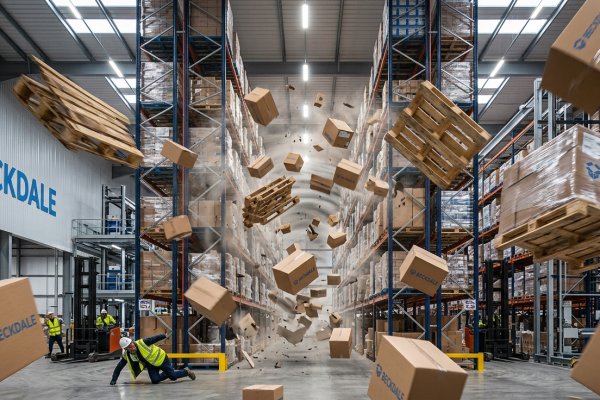
Done poorly, it becomes a bottleneck that slows down entire supply chains, creates safety hazards, and leads to costly errors. The difference between a well-run palletisation system and a chaotic one can mean the difference between a profitable fulfilment operation and one that haemorrhages money through inefficiency.
The Mechanics of Smart Palletisation
Smart palletisation isn't just about stacking boxes. It requires careful planning around weight distribution, product fragility, and destination routing. Warehouses that excel at this discipline typically invest in proper training, quality pallet wrapping equipment, and software systems that help plan loads before they're even built.
For businesses shipping to multiple regions - whether that's a retailer sending stock to distribution points near Manchester or a wholesaler supplying shops around Bristol - efficient palletisation directly impacts delivery timelines and costs. It's a foundational element of any serious UK 3PL operation.
Efficiency: The Thread That Ties It All Together
Every conversation about fulfilment eventually circles back to one word: efficiency. It's the metric that determines whether a business can compete on price, speed, and reliability simultaneously. In an industry where margins are often thin and customer expectations keep rising, efficiency isn't a luxury - it's survival.
What Does Efficiency Actually Look Like?
Efficiency in fulfilment isn't a single thing; it's the cumulative result of dozens of smaller processes working together smoothly. This includes:
- Receiving and goods-in processes that quickly and accurately log incoming stock
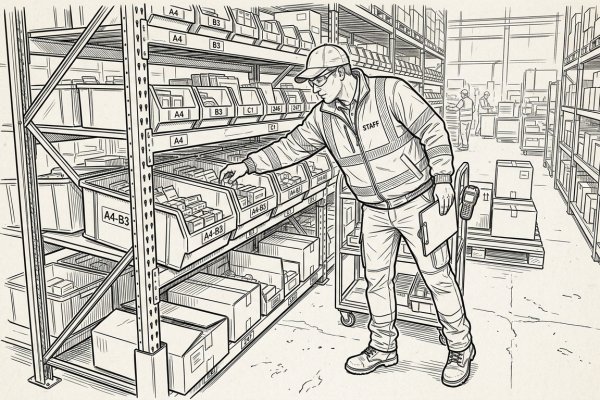
- Storage systems that make picking fast and error-free
- Order processing workflows that minimise manual intervention
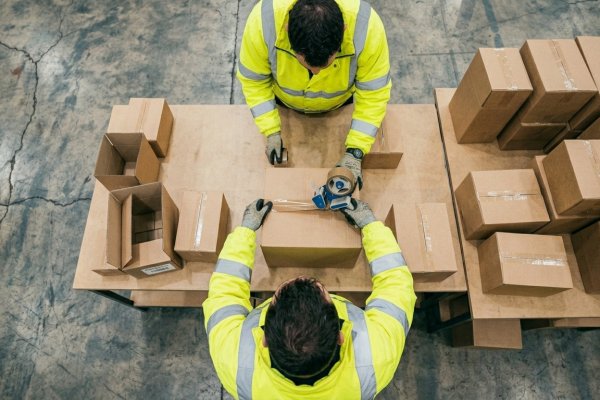
- Packing stations designed to reduce wasted movement
- Shipping and courier integrations that select the most cost-effective delivery option automatically
When all these elements align, the result is a Fulfilment Warehouse that can process high volumes without sacrificing accuracy - something that becomes increasingly critical as businesses scale.
Technology's Role in Driving Efficiency
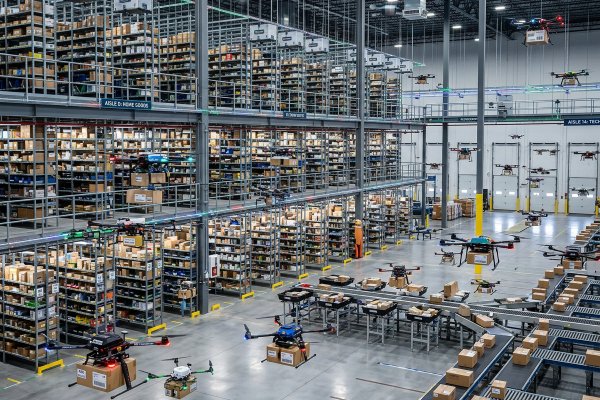
No discussion of modern efficiency would be complete without mentioning technology. Real-time data flow between sales channels and warehouse management systems has transformed how orders are processed. Instead of manual data entry and delayed updates, orders can flow automatically from a website straight into a picking queue, cutting hours off processing times.
This is particularly important for businesses operating across multiple sales channels, including those managing Fulfilled by Amazon listings alongside their own direct-to-consumer websites. Keeping inventory synchronised across platforms prevents overselling and ensures customers always receive accurate delivery estimates.
Batch Tracking and Stock Traceability
Efficiency also extends to compliance and quality control. For industries dealing with perishable or regulated goods, tracking expiry and batch numbers accurately is non-negotiable. Robust stock traceability systems allow warehouses to quickly identify and isolate affected products if an issue arises, protecting both the business and the end consumer.
Industry-Specific Considerations
Different product categories bring unique fulfilment challenges that affect how efficiency should be measured and improved.
Beauty and Skincare
Products in the beauty and skin care sector often require careful handling due to fragile packaging and temperature sensitivity. Efficient palletisation here means more than just speed - it means protecting product integrity throughout the journey.
Clothing and Apparel
For clothing fulfilment, efficiency is often about managing seasonal stock fluctuations and ensuring accurate sizing and variant picking, which can be a major source of returns if handled poorly.
Food Products
The food sector brings its own regulatory and handling requirements, making batch tracking and rapid turnaround essential components of an efficient operation.
B2C, B2B, and the Rise of Omnichannel Fulfilment
Modern fulfilment operations rarely serve a single type of customer. Many businesses need to support B2C and direct-to-consumer orders alongside bulk shipments to retail partners. This dual demand places extra pressure on warehouse efficiency, as processes need to flex between single-item parcels and large palletised shipments without creating bottlenecks.
Retailers supplying television shopping channels face similarly unique demands, often requiring rapid turnaround for QVC-style packing and distribution where demand can spike unpredictably based on broadcast schedules.
Amazon Fulfilment Considerations
Businesses managing their own Amazon listings through Fulfilled by Merchant arrangements need warehouse partners who understand Amazon's strict performance metrics, including dispatch times and tracking accuracy - all of which tie directly back to overall efficiency.
Shipping and Courier Strategy
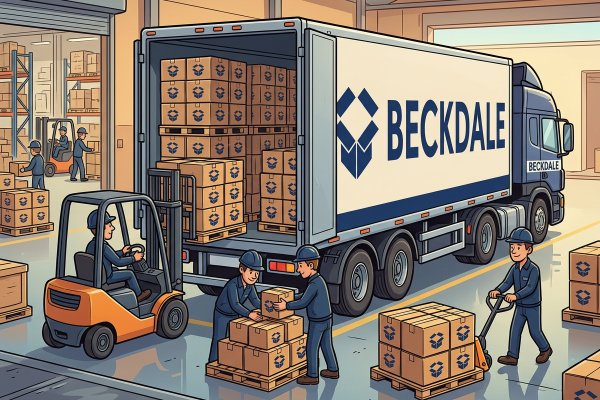
Efficient palletisation and warehouse processes mean little if the final mile isn't optimised too. Choosing the right shipping and delivery services for each order type - whether that's a single parcel via courier services or a full pallet load via lorry - directly affects both cost and customer satisfaction.
Businesses running promotional campaigns also benefit from flexible custom sendout services that can quickly scale up packing capacity without disrupting day-to-day operations.
Contract Packing as an Efficiency Multiplier
For many brands, outsourcing to a specialist contract packing provider is one of the most effective ways to boost efficiency without the capital expense of building in-house infrastructure. This approach allows businesses to tap into established palletisation expertise, trained staff, and proven systems immediately, rather than spending months developing these capabilities internally.
Understanding the True Cost of Inefficiency
It's worth pausing to consider what inefficiency actually costs a business. Beyond the obvious labour and shipping expenses, poor fulfilment processes lead to:
- Increased return rates due to picking errors
- Customer churn from late or damaged deliveries
- Higher storage costs from poor space utilisation
- Lost sales opportunities during peak demand periods
These hidden costs rarely show up as a single line item on a balance sheet, but they accumulate steadily, eroding profitability over time. This is why more businesses are turning to transparent pricing calculators and reviewing pricing examples to understand exactly where their money goes and where efficiency gains could be made.
Looking Ahead: The Future of UK Fulfilment
As consumer expectations continue climbing and competition intensifies across every sector, the businesses that thrive will be those that treat fulfilment as a core strategic function rather than a background operation. Whether discussions revolve around distribution patterns near Manchester, delivery networks touching Bristol, or the fundamentals of palletisation and efficiency, one thing remains constant: the fulfilment partner you choose shapes the customer experience far more than most businesses realise.
Investing in proper processes, embracing technology, and understanding the specific needs of your product category are no longer optional extras - they're the baseline requirements for competing in today's market. The shocking truth isn't that fulfilment matters; it's how many businesses still underestimate just how much.