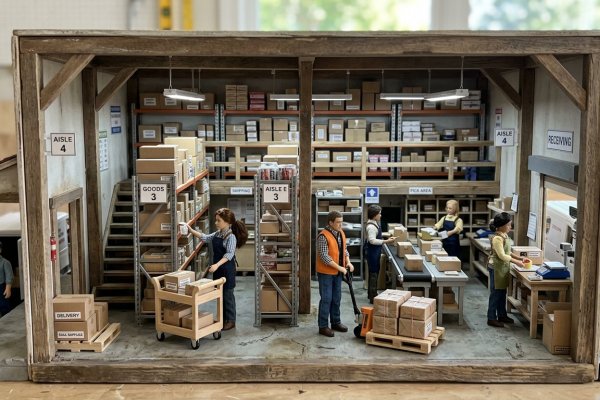
Co-packing has become one of the most valuable services in the modern supply chain, helping brands of all sizes bring products to market faster, cheaper and with greater consistency. Whether you're a start-up looking to bundle promotional gift sets or an established retailer needing multi-pack configurations for a major supermarket listing, co-packing offers the flexibility and expertise that in-house teams often struggle to replicate. But behind every smooth co-packing operation lies a web of technology and logistics that most customers never see: seamless integration, organised picking bin systems, reliable Royal Mail despatch, and a powerful WMS (Warehouse Management System) tying it all together.
In this article, we'll explore how these four elements combine to make co-packing not just possible, but genuinely efficient for brands shipping across the UK and beyond.
What Is Co-Packing and Why Does It Matter?
Co-packing, short for contract packing, refers to the outsourcing of packaging and assembly tasks to a third-party specialist. Instead of hiring staff, renting warehouse space, and buying packing equipment yourself, you hand the job to a dedicated Contract Packing provider who already has the people, space and systems in place.
This might include:
- Building multi-product gift sets or bundles
- Assembling promotional kits for seasonal campaigns
- Re-labelling or re-boxing products for retail compliance
- Shrink-wrapping, bagging or blister-packing items
- Preparing products for subscription boxes
Co-packing is used across almost every industry, from beauty and skincare brands creating curated sets, to food businesses assembling hampers, and clothing companies bundling accessories with garments.
The Role of Integration in Co-Packing Operations
One of the biggest misconceptions about co-packing is that it's purely a manual, hands-on task. In reality, modern co-packing providers rely heavily on digital integration to keep everything running smoothly. Orders need to flow automatically from your sales channel, whether that's Shopify, Amazon, or a bespoke B2B portal, directly into the warehouse system that tells pickers and packers exactly what to assemble.
Without proper Data Flow and API integration, co-packing teams would be left manually entering orders, which increases the risk of errors, delays and mismatched stock. Good integration connects:
- E-commerce platforms (Shopify, WooCommerce, Magento)
- Marketplaces such as Amazon and eBay
- B2B ordering systems for wholesale and retail clients
- Courier and despatch platforms for automatic label generation
This kind of connectivity is essential whether you're running B2C consumer orders or large-scale B2B fulfilment contracts, as it ensures accuracy from the moment an order is placed to the moment it leaves the warehouse.
Why Integration Reduces Errors in Co-Packing
When systems talk to each other automatically, there's far less room for human error. A well-integrated setup means that stock levels update instantly across all sales channels, preventing overselling, and that picking instructions are generated directly from the original order, removing the need for manual re-keying. This is particularly important for businesses selling through multiple channels simultaneously, such as those running both a website store and a presence on QVC or other TV shopping channels, where order volumes can spike unpredictably.
Picking Bin Systems: The Backbone of Accurate Assembly
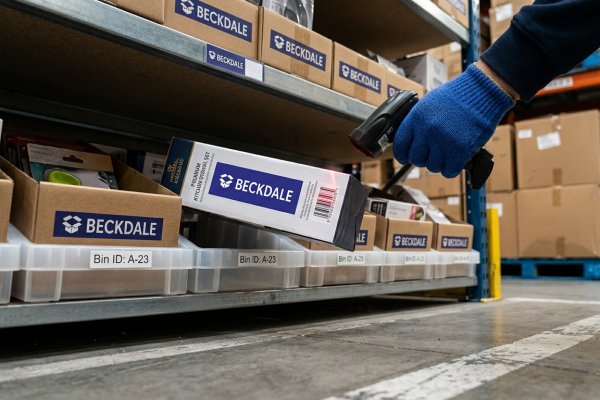
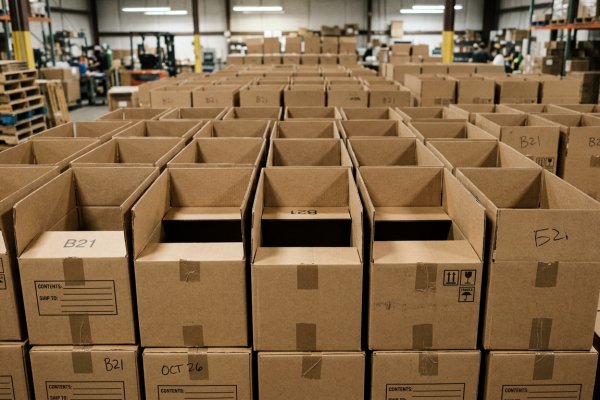
Once an order is received, the next challenge is physically gathering the correct components. This is where the humble picking bin plays a surprisingly important role. In co-packing environments, picking bins are used to organise individual SKUs, components, and packaging materials in a logical, easily accessible layout.
A well-designed picking bin system typically includes:
- Clearly labelled bins for each SKU or component
- Logical bin placement based on order frequency (fast-moving items closer to packing stations)
- Colour-coded or barcoded bins to reduce picking errors
- Separate bins for promotional or seasonal items to avoid mix-ups
For co-packing projects involving multiple components, such as a beauty gift set with five or six individual products, picking bins ensure that pickers can quickly and accurately gather everything needed for assembly without wasting time searching the warehouse floor.
Batch and Expiry Considerations
Many co-packing projects, especially within food, beauty and health sectors, require careful tracking of batch and expiry dates. Picking bins often incorporate FIFO (First In, First Out) principles, ensuring older stock is used before newer deliveries. This is critical not just for compliance, but for maintaining stock traceability throughout the entire supply chain.
Royal Mail and Courier Despatch for Co-Packed Goods
Once products have been assembled and packed, they need to reach the end customer quickly and cost-effectively. For many UK businesses, Royal Mail remains a go-to despatch option, particularly for smaller parcels, letterbox-friendly items, and cost-sensitive shipments.
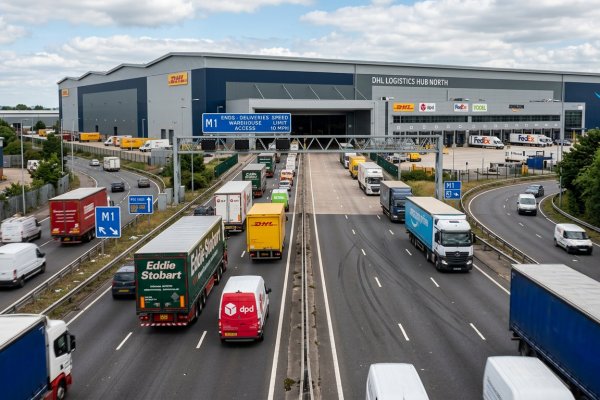
A professional co-packing and fulfilment partner will typically offer a range of courier services, including Royal Mail, Parcel Force, DHL and others, allowing businesses to choose the most appropriate service based on parcel size, destination and delivery speed. This flexibility is particularly valuable for co-packed items, which often don't fit standard parcel dimensions due to their bundled nature.
Choosing the Right Despatch Method
Factors that influence courier choice for co-packed goods include:
- Parcel weight and dimensions after assembly
- Delivery speed requirements (next day vs standard)
- Destination (UK mainland, Scottish Highlands, Northern Ireland, or international)
- Value of goods and need for tracked or signed-for delivery
Businesses operating from locations such as Manchester, Birmingham, Bristol or London often seek fulfilment partners elsewhere in the country for better rates and faster turnaround, which is one reason why UK Fulfilment providers based centrally can offer significant advantages regardless of where your customers are based.
WMS: The Technology That Ties Everything Together
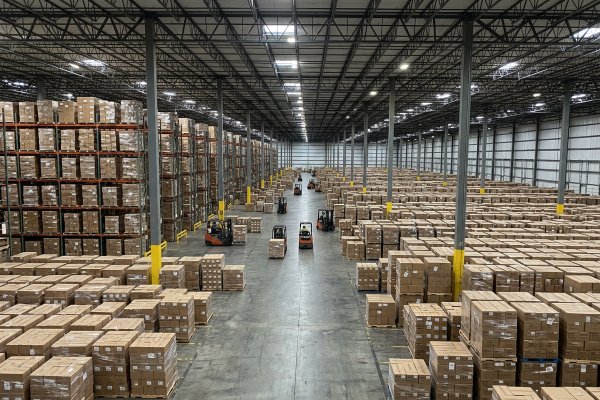
None of the above, integration, picking bins, or courier despatch, would function efficiently without a robust WMS underpinning the entire operation. A Warehouse Management System acts as the central nervous system of any co-packing facility, coordinating stock levels, order processing, picking instructions, and despatch documentation in real time.
Key benefits of a strong WMS for co-packing include:
- Real-time stock visibility across all SKUs and components
- Automated picking lists generated directly from incoming orders
- Batch and expiry tracking for compliance-heavy sectors
- Reporting tools to monitor packing efficiency and error rates
- Seamless handoff to courier platforms for label printing and tracking
For businesses considering outsourcing their co-packing needs, it's worth asking potential partners directly about their WMS capabilities. A provider without a modern WMS may struggle to scale, particularly during busy periods like Christmas or major promotional campaigns.
WMS and Amazon Fulfilment Compatibility
Many co-packing clients also sell through Amazon, whether via Fulfilled by Amazon (FBA) or Fulfilled by Merchant (FBM) routes. A capable WMS should be able to generate the correct Amazon-compliant labelling and barcodes, ensuring co-packed products meet marketplace requirements without additional manual work.
Bringing It All Together: A Smooth Co-Packing Workflow
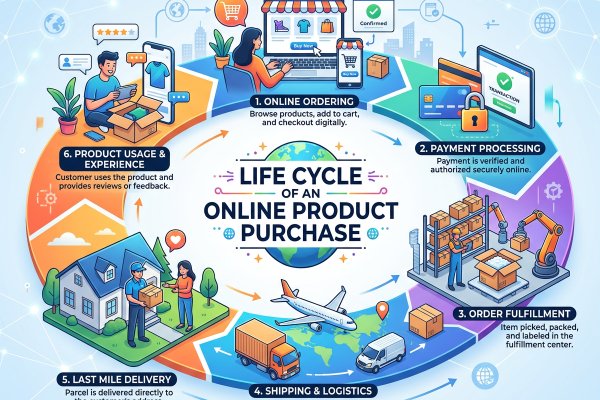
When integration, picking bins, courier despatch and WMS technology work in harmony, the result is a co-packing operation that feels effortless from the outside, even though a huge amount of coordination is happening behind the scenes. A typical workflow might look like this:
- Order received automatically via integrated e-commerce or marketplace platform
- WMS generates a picking list based on bin locations
- Pickers gather components from clearly labelled picking bins
- Products are assembled, packed and labelled according to project specifications
- Despatch labels are generated automatically, selecting Royal Mail or an alternative courier based on parcel criteria
- Tracking information is sent back to the customer automatically via integration
This level of coordination is why many growing brands choose to partner with an established UK Warehouse provider rather than attempting to manage co-packing in-house, particularly once order volumes start to climb.
Choosing a Co-Packing Partner
Not every co-packing provider offers the same level of technological sophistication. When evaluating potential partners, consider asking about:
- Which e-commerce and marketplace platforms they integrate with
- How their picking bin and warehouse layout system works
- Which couriers they offer, including Royal Mail and alternatives
- The capabilities of their WMS, including batch tracking and reporting
- Their experience with your specific product category, whether that's beauty, food, clothing or promotional items
It's also worth reviewing pricing examples or using a pricing calculator to understand how co-packing costs are structured, as pricing can vary significantly depending on complexity, component count and order volume.
Scaling with Confidence
Businesses based anywhere from Leeds to Glasgow, Cardiff to Norwich, often find that outsourcing co-packing to a specialist UK Fulfilment Warehouse allows them to scale production without the capital investment of expanding their own facilities. By leveraging established integration, picking bin systems, courier relationships and WMS technology, brands can focus on growth rather than logistics headaches.
Final Thoughts
Co-packing is far more than simply putting products into boxes. It's a carefully orchestrated process that relies on strong digital integration, organised picking bin systems, reliable courier partnerships including Royal Mail, and a capable WMS to keep everything accurate and on schedule. For businesses looking to outsource this work, choosing a partner with proven technology and processes can make the difference between a smooth, scalable operation and a logistical bottleneck.
Whether you're assembling your first promotional bundle or scaling a multi-channel operation, understanding how these elements fit together will help you ask the right questions and find a co-packing partner capable of supporting your growth, wherever in the UK your customers happen to be.