The Small Cosmetics Revolution That's Transforming E-commerce
The beauty industry has undergone a seismic shift in recent years, with small cosmetics brands disrupting traditional retail models and capturing consumer attention through direct-to-consumer platforms like Shopify. From indie lipstick lines to artisan skincare serums, these small products represent enormous opportunities—but they also present unique logistical challenges that can make or break a burgeoning business.
The paradox of small cosmetics is striking: while the products themselves may be diminutive in size, the complexity of getting them safely and cost-effectively into customers' hands is anything but small. Transportation costs, packaging considerations, regulatory compliance, and inventory management create a web of operational challenges that many beauty entrepreneurs underestimate until they're drowning in fulfilment nightmares.
This comprehensive guide explores how smart cosmetics brands are solving these challenges by choosing to outsource their Shopify shipping operations, particularly through Fulfilled By Merchant (FBM) models that offer control, flexibility, and scalability without the crippling overhead of managing logistics in-house.
Why Small Cosmetics Present Unique Shipping Challenges
Small beauty products create a perfect storm of logistical complexity. Unlike larger items that justify shipping costs through their physical footprint, cosmetics often weigh mere grams yet require the same careful handling and transportation infrastructure as much larger parcels.
The Size-to-Value Ratio Problem
A premium face serum might retail for £45 but occupy only 30ml of space and weigh less than 100 grams. The transportation cost as a percentage of product value becomes disproportionately high, especially when customers expect free or low-cost shipping. This creates margin pressure that forces cosmetics brands to either absorb unsustainable shipping costs or risk losing price-sensitive customers.
Many beauty businesses operating from cities like Manchester, Birmingham, and London discover that their shipping expenses consume 15-25% of revenue when handled inefficiently. This is where specialized beauty product fulfilment becomes essential to survival.
Fragility and Product Integrity Issues
Unlike books or clothing, cosmetics present significant fragility concerns. Glass bottles can shatter, powders can break, and temperature-sensitive formulations can degrade during transit. The liability and customer service costs associated with damaged products create hidden expenses that devastate profit margins.
Professional UK Fulfilment providers understand these nuances, implementing specialized packing protocols that protect delicate items while minimizing dimensional weight charges that inflate shipping costs.
Regulatory Compliance and Documentation
Cosmetics face stringent regulations regarding ingredient disclosure, safety testing, and labelling requirements. When shipping internationally, these requirements multiply exponentially. Many small brands struggle with customs documentation, particularly when selling into markets with different regulatory frameworks than the UK.
The Case for Outsourcing Shopify Shipping Operations
For cosmetics entrepreneurs who launched their brands with passion for formulation and design, the reality of warehousing, pick-and-pack operations, and carrier negotiations often comes as an unwelcome surprise. The decision to outsource Shopify shipping represents a strategic pivot from amateur logistics to professional operations.
Reclaiming Time for Business Growth
Consider the typical day of a small cosmetics brand owner handling their own fulfilment: arriving at a storage unit or spare room, printing shipping labels, carefully packing orders, making multiple post office runs, updating tracking information, and handling customer inquiries about shipping status. These activities easily consume 20-30 hours weekly—time that could be invested in product development, marketing, or wholesale relationships.
By partnering with a UK 3PL specialist, brand owners in cities from Edinburgh to Cardiff can redirect their energy toward revenue-generating activities while logistics professionals handle the operational complexity of getting products to customers.
Access to Volume Shipping Discounts
A boutique lipstick brand shipping 50 orders weekly pays retail carrier rates. A fulfilment centre processing thousands of parcels daily across multiple clients negotiates wholesale rates that can be 30-50% lower. This cost advantage alone often justifies outsourcing, particularly for small products where shipping represents a significant cost component.
Fulfilment providers leverage their shipping volume across services including Royal Mail, DPD, Evri, and international carriers to secure pricing that individual small businesses simply cannot access independently.
Scalability Without Capital Investment
The traditional approach to growth requires progressive investments in warehouse space, packing materials, equipment, and staff. These fixed costs create risk, particularly for seasonal businesses or brands experiencing unpredictable growth trajectories.
Outsourced fulfilment transforms fixed costs into variable costs, allowing brands to scale during peak periods (Christmas, Mother's Day, Valentine's Day) without maintaining excess capacity year-round. This flexibility proves particularly valuable for cosmetics brands testing new markets or product lines.
Understanding FBM: The Middle Ground for Amazon Sellers
For cosmetics brands selling through multiple channels, Amazon Fulfilled By Merchant (FBM) offers compelling advantages over the more commonly discussed FBA (Fulfilled By Amazon) model.
Why Cosmetics Brands Choose FBM Over FBA
While FBA provides Amazon Prime eligibility and outsources fulfilment to Amazon's infrastructure, it creates several challenges for beauty products:
- Limited control over inventory: Products sit in Amazon's warehouses with restricted access, making it difficult to manage batch numbers and expiry dates crucial for cosmetics
- Commingling risks: Amazon's inventory system can mix stock from multiple sellers, creating authenticity concerns for premium beauty brands
- Long-term storage fees: Seasonal products or slower-moving SKUs incur escalating storage charges
- Restricted hazmat handling: Many cosmetics containing alcohol or aerosols face additional restrictions and fees under FBA
- Brand presentation compromises: Limited ability to include branded inserts, samples, or personalized touches that build customer loyalty
FBM allows cosmetics sellers to maintain inventory control, manage expiry and batch numbers effectively, and create distinctive unboxing experiences while still capturing Amazon's massive customer base.
The FBM Operational Model
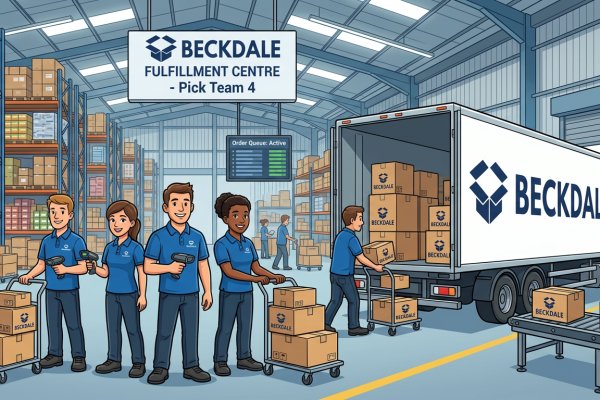
When orders arrive from Amazon (or simultaneously from Shopify, eBay, and other channels), a professional UK Warehouse partner receives the order data through automated integrations, picks the correct products, packs them according to brand specifications, applies appropriate shipping labels, and dispatches through the most cost-effective carrier—all within the same business day.
For businesses based in Leicester or serving customers nationwide, this seamless data flow creates an experience indistinguishable from the seller handling fulfilment themselves, but with professional efficiency and lower costs.
Transportation Considerations for Small Cosmetics
The physical movement of beauty products from manufacturer to warehouse to customer involves multiple transportation decision points that significantly impact profitability and customer satisfaction.
Inbound Logistics Optimization
Before products can be shipped to customers, they must arrive at the fulfilment centre. Many cosmetics brands manufacture in specific regions—perhaps contracting with labs in Kent, sourcing ingredients from suppliers in Scotland, or importing finished products from European partners.
Professional fulfilment providers offer shipping services that coordinate inbound transportation, whether receiving pallets from domestic manufacturers, containers from international suppliers, or courier deliveries from contract manufacturers. This consolidation simplifies the supply chain and reduces the administrative burden on brand owners.
Last-Mile Delivery Options
The final leg of a product's journey—from distribution centre to customer doorstep—presents numerous options, each with distinct cost, speed, and reliability characteristics:
- Royal Mail 48/24: Cost-effective for standard deliveries, ideal for non-urgent orders
- Royal Mail Tracked: Adds transparency for customers while maintaining reasonable costs
- DPD/DHL Express: Premium services for time-sensitive deliveries or high-value orders
- Evri: Budget option for price-sensitive customer segments
- International services: Specialized options for EU and worldwide shipping
Sophisticated fulfilment partners implement intelligent courier services routing that automatically selects the optimal carrier based on destination, package dimensions, delivery speed requirements, and cost parameters defined by the brand.
Managing Temperature-Sensitive Formulations
Certain cosmetics—particularly natural formulations without synthetic preservatives—require temperature-controlled transportation to maintain product integrity. Summer heat can melt lipsticks, separate emulsions, or degrade active ingredients in serums.
Professional fulfilment operations monitor seasonal conditions and implement protective measures including insulated packaging, gel ice packs, and strategic shipping schedules that avoid weekend delays during extreme weather periods.
The Financial Case: Real Numbers from Cosmetics Fulfilment
Understanding whether to outsource Shopify shipping requires examining actual costs rather than assumptions. Let's compare two scenarios for a small cosmetics brand processing 500 orders monthly.
DIY Fulfilment Cost Analysis
Handling fulfilment internally involves these typical expenses:
- Storage space rental: £400-800/month (depending on location—higher in London, lower in regional cities)
- Packing materials: £0.80-1.50 per order
- Shipping at retail rates: £3.20-4.50 per UK parcel
- Part-time packing assistance: £600-1,200/month
- Shipping software/label printing: £50-100/month
- Insurance and miscellaneous: £100-200/month
Monthly total: £2,750-4,350 (£5.50-8.70 per order)
Outsourced Fulfilment Cost Analysis
Working with a Fulfilment Warehouse typically involves:
- Storage: £100-200/month for moderate inventory
- Pick and pack fee: £1.20-1.80 per order (including materials)
- Shipping at volume rates: £2.40-3.20 per UK parcel
- Receiving/processing: £40-80/month
Monthly total: £1,980-2,780 (£3.96-5.56 per order)
Beyond direct cost savings of 30-40%, outsourcing eliminates the opportunity cost of time spent on fulfilment activities, reduces product damage rates through professional handling, and scales efficiently as volume increases.
Brands can explore specific scenarios using tools like the pricing calculator to model their unique situation and volume projections.
Selecting the Right Fulfilment Partner for Your Cosmetics Brand
Not all fulfilment providers understand the nuances of beauty products. When evaluating potential partners, cosmetics brands should prioritize these considerations:
Industry-Specific Experience
Providers with dedicated experience in beauty and skincare fulfilment understand product fragility, regulatory requirements, and presentation standards that generalist warehouses may overlook. They've developed processes specifically for handling small, valuable, delicate items that characterize the cosmetics category.
Technology Integration Capabilities
Seamless connection between your Shopify store (and any additional sales channels like Amazon, eBay, or wholesale portals) and the fulfilment system is non-negotiable. Orders should flow automatically without manual intervention, inventory should synchronize in real-time, and tracking information should update customers automatically.
Modern UK 3PL Fulfilment providers offer sophisticated integrations that make multi-channel selling manageable rather than overwhelming.
Flexibility and Customization
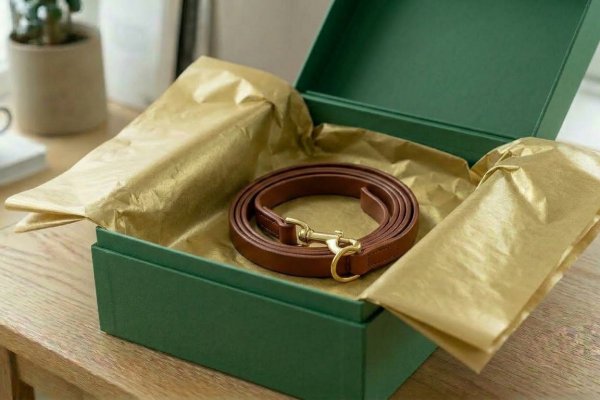
Beauty brands thrive on creating memorable customer experiences. Can your fulfilment partner include product samples with orders? Apply branded tissue paper and stickers? Insert personalized thank-you cards? Handle gift wrapping during holiday periods?
These custom sendout capabilities differentiate exceptional fulfilment partners from basic warehouses that treat all products as interchangeable commodities.
Location and Geographic Reach
While the fulfilment centre's physical location matters less than its capabilities and carrier relationships, UK-based operations offer advantages for brands primarily serving domestic customers. A centrally located facility—whether in Leicester, Birmingham, or